
Irish Coffee: The perfect recipe and the best whiskeys for it
Irish Coffee is a classic — but only when it's made right. This guide walks you through the authentic recipe step by step, explains the most common mistakes, and recommends the best Irish whiskeys from our reviews for the perfect Irish Coffee.
Irish Coffee is one of the world's most iconic cocktails — yet it's surprisingly often made poorly. Too-bitter espresso, stiffly whipped cream, the wrong whiskey: there are many pitfalls. This guide covers the authentic recipe, explains the technique behind it, and recommends the best whiskeys from our reviews.
The story begins on a stormy evening in 1943 in Foynes, Ireland — and travels via San Francisco to the rest of the world. If you're generally interested in Irish whiskey, our St. Patrick's Day guide provides a comprehensive overview of styles and recommendations.
The history of Irish Coffee
In the winter of 1943, a transatlantic flight was forced to land at the Foynes Flying Boat Terminal on Ireland's west coast due to bad weather. The frozen passengers needed something warming. Joe Sheridan, the terminal's chef, had the idea of adding Irish whiskey and whipped cream to the hot coffee.
Nearly a decade later, travel journalist Stanton Delaplane brought the recipe to San Francisco, where it was perfected at the Buena Vista Cafe on Fisherman's Wharf. Since 1952, the café has served thousands of Irish Coffees daily — and the drink became a global classic.
"Is this Brazilian coffee?" — "No, that's Irish Coffee."
The classic recipe
Irish Coffee is a technique drink: few ingredients, but each one matters. It's not about elaborate barista craft — it's about precision with temperature, proportions, and above all, the cream.
- 150 ml strong filter coffee (NOT espresso!)
- 40 ml Irish whiskey
- 1–2 tsp brown sugar (demerara ideal)
- 40–50 ml lightly whipped cream (pourable, not stiff)
Step by step
- Preheat the glass: Fill the glass with hot water and let it stand for one minute, then empty.
- Dissolve the sugar: Add brown sugar to the warm glass and stir with a little hot coffee until completely dissolved.
- Add the whiskey: Pour in 40 ml Irish whiskey and swirl briefly.
- Fill with coffee: Top up with strong, freshly brewed filter coffee — to about 2 cm below the rim.
- Float the cream: Slowly pour the lightly whipped cream over the back of a spoon so it floats on the surface of the coffee.
- Don't stir: Drink the coffee through the cold cream layer — this contrast is the defining moment of the experience.
Which whiskey works best?
The whiskey needs enough character to stand up to coffee and cream — but not so complex that its nuances get lost. Ideally, it brings vanilla, caramel, or spice notes. Cask strength is not a good idea here — unlike when enjoyed neat, the alcohol dominates too strongly in a warm drink.
Our picks
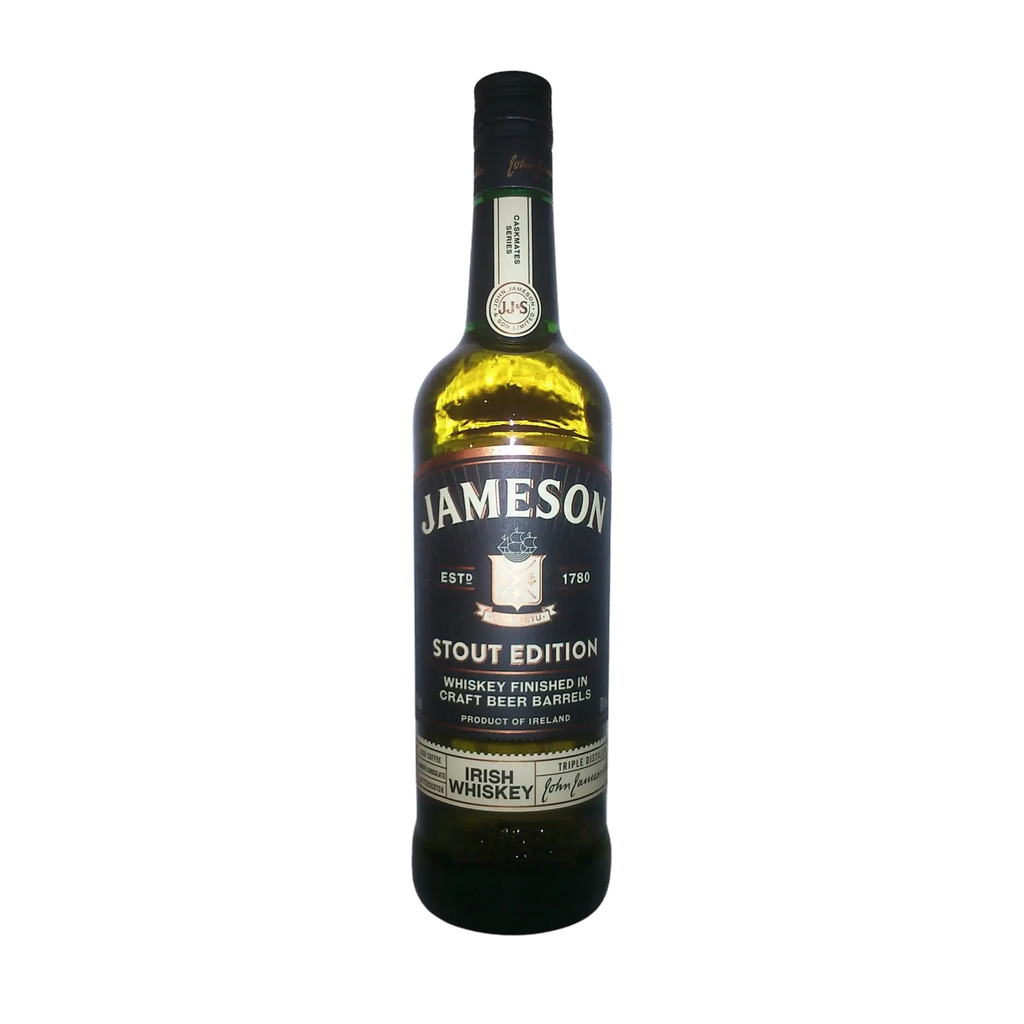
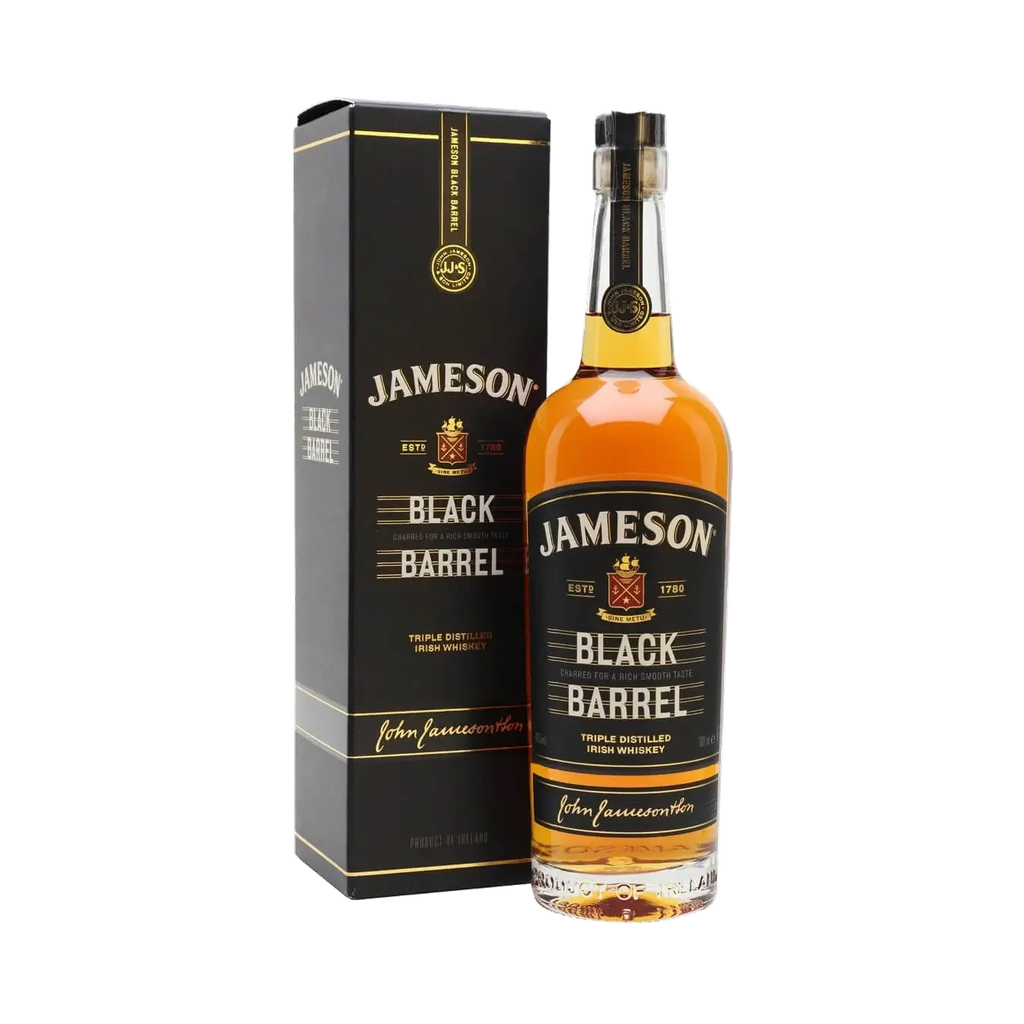
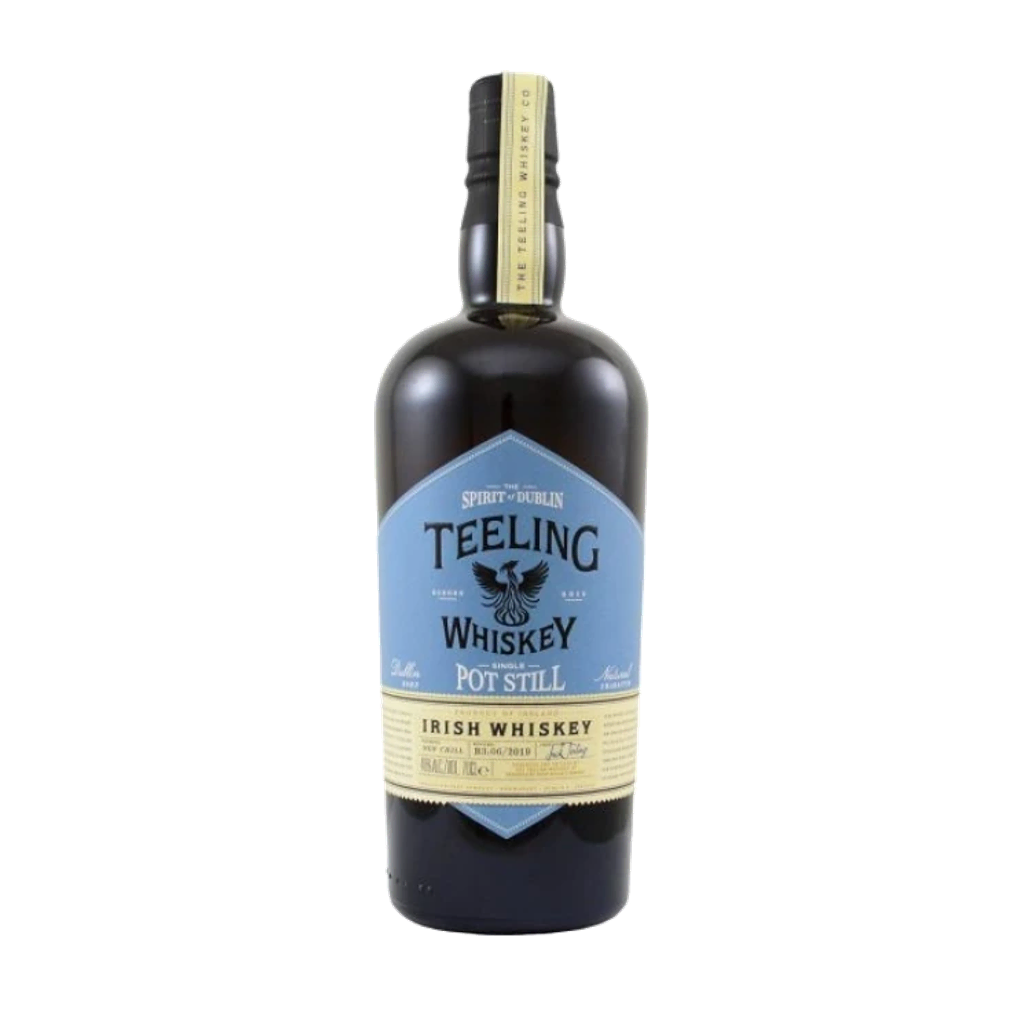
These three whiskeys from our reviews are excellent for Irish Coffee: Jameson Caskmates Stout Edition already brings coffee and chocolate notes — a perfect complement. Jameson Black Barrel delivers vanilla and caramel that marry beautifully with the brown sugar. And Teeling Single Pot Still adds a spicy complexity that makes the drink more interesting.
Premium version
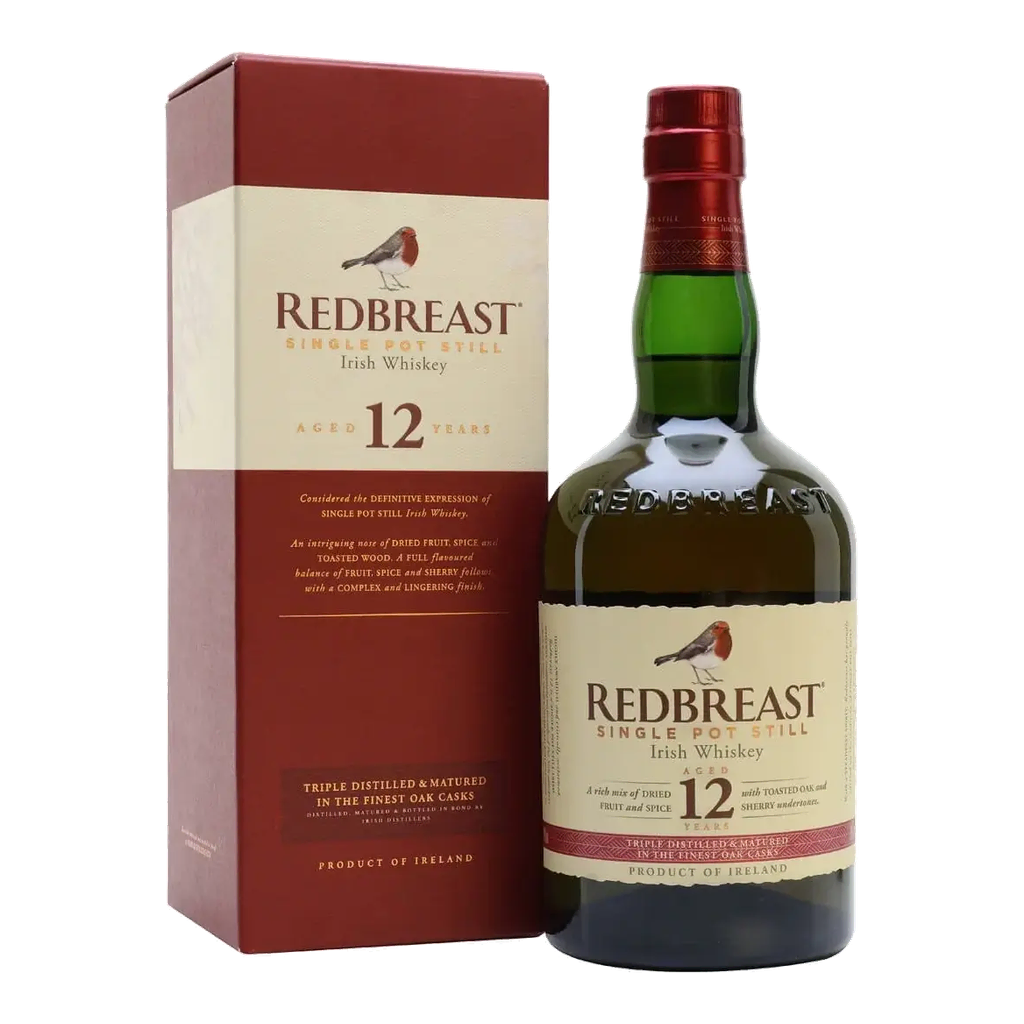
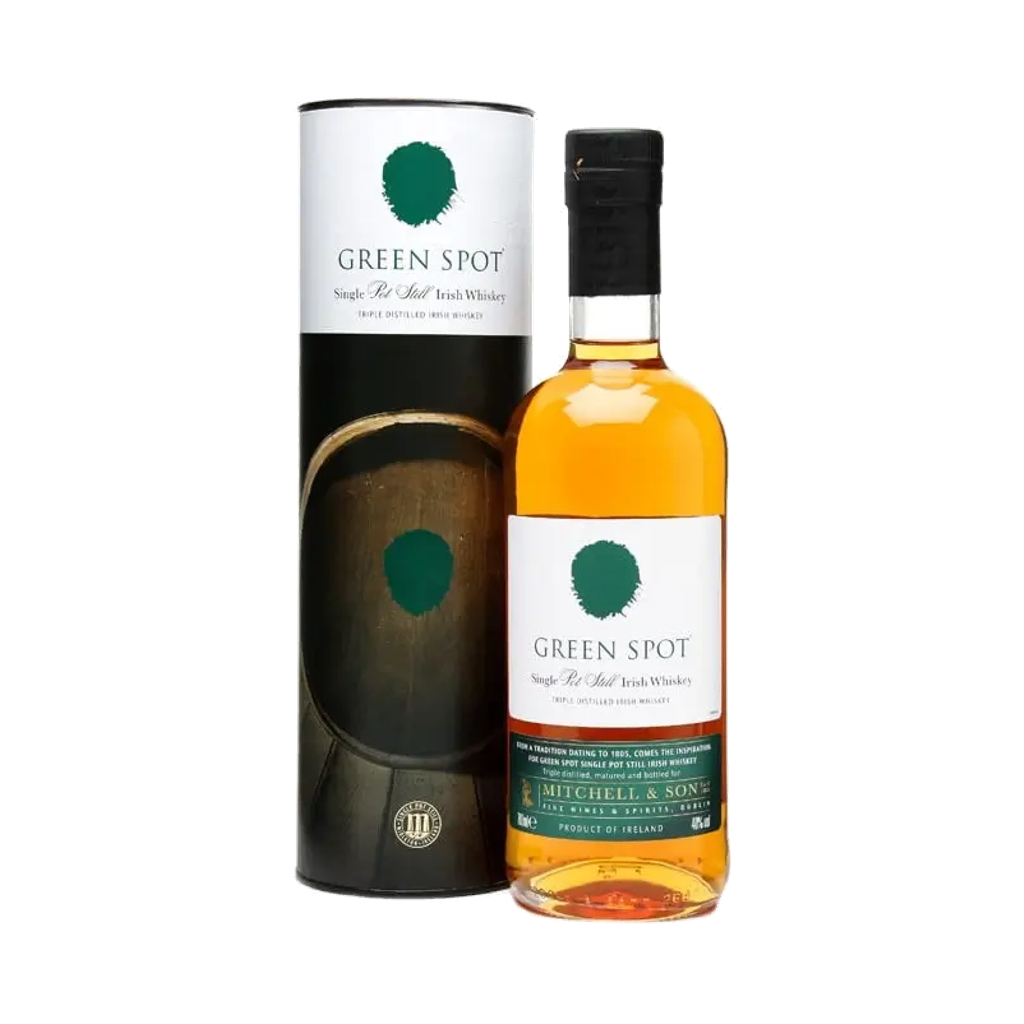
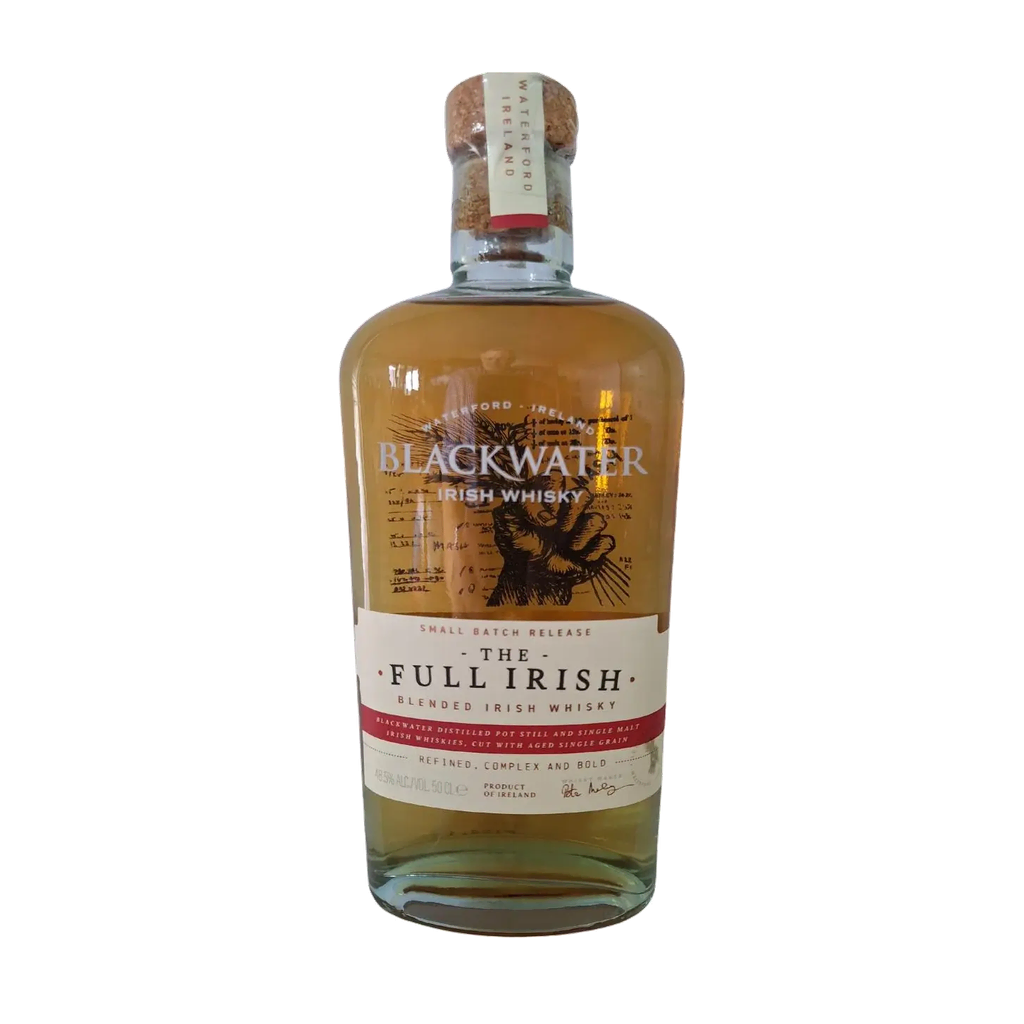
For special occasions, an upgrade is worth it: Redbreast 12 brings a creamy, full-bodied character that pairs perfectly with the cream. Green Spot adds orchard fruit notes that lend the drink an elegant freshness. And Blackwater The Full Irish surprises with a fruity, creamy texture that shines especially well in warm coffee.
Common mistakes
- Using espresso: Too concentrated and too bitter. Filter coffee or French press provides the right body without excessive bitterness.
- Whipping cream too stiff: The cream must flow. Stiff cream sits on top like a lump and can't be sipped through properly.
- Using white sugar: Brown sugar or demerara adds caramel notes that round out the drink. White sugar tastes one-dimensional.
- Stirring after adding cream: The whole point of Irish Coffee is the contrast: hot, sweet whiskey-coffee sipped through the cold cream layer.
- Using a cold glass: A preheated glass keeps the coffee hotter for longer and helps the sugar dissolve.
- Skimping on whiskey: 40 ml is the minimum. Any less and the whiskey disappears into the coffee.
Variations
Once you've mastered the classic Irish Coffee, it's time to experiment. Here are four popular variations:
| Variation | Change | Character |
|---|---|---|
| Honey Irish Coffee | Honey instead of sugar | Floral-sweet, softer |
| Baileys Float | Baileys instead of cream on top | Richer, sweeter |
| Iced Irish Coffee | Cold coffee, ice, layered cream | Refreshing, summery |
| Spiced Irish Coffee | Cinnamon and nutmeg in the coffee | Spicy, wintry |
By the way: the right glass makes a difference. A classic handled Irish Coffee glass retains heat better than a regular mug. Find out more in our glass guide.
Irish Coffee or whiskey neat?
Irish Coffee isn't a "waste" of good whiskey — it's a legitimate way to enjoy it. Just like the question of ice in whisky, there's no right or wrong here. Irish Coffee has a proud tradition and deserves the same respect as any other way of serving whiskey. If you want to dive deeper into the world of Irish whiskey, our St. Patrick's Day guide has more recommendations and background.
Tip: The perfect evening
Serve Irish Coffee as a nightcap after an Irish whiskey tasting. Taste the whiskeys neat first — then wind down the evening with a perfect Irish Coffee. The combination of caffeine and whiskey makes for an invigorating finish.
Frequently Asked Questions
Which whiskey should you use for Irish Coffee?
A blended Irish whiskey or an accessible Single Pot Still works best. The Jameson Caskmates Stout Edition is ideal, as it already brings coffee and chocolate notes. The Jameson Black Barrel with its vanilla-caramel profile also works excellently.
Can you use Scotch instead?
Strictly speaking, it wouldn't be an Irish Coffee anymore. If you don't have Irish whiskey on hand, a mild, unpeated blended Scotch will work in a pinch — but the authentic character of a real Irish Coffee only comes through with Irish whiskey.
Why won't my cream float?
The two most common reasons: the cream is either whipped too stiff (it clumps) or too thin (it sinks). It needs to be just thickened enough to flow slowly. Also, the coffee must be hot enough — the temperature helps keep the cream on top.
Espresso or filter coffee?
Always filter coffee or French press. Espresso is too concentrated and too bitter for Irish Coffee. You need a larger volume of milder coffee so the balance between coffee, whiskey, and cream is right.
How much alcohol is in an Irish Coffee?
With 40 ml of whiskey (40% ABV) in approximately 200 ml total volume, the alcohol content is roughly 6–7% — comparable to a strong beer. The warmth of the drink can make the effects more noticeable more quickly, though.