
St. Patrick's Day: The best Irish whiskeys from our reviews
St. Patrick's Day is the perfect occasion to explore Irish whiskey. This article covers what makes Irish whiskey unique, introduces the key styles, and recommends the best bottles from our reviews — from premium picks to great value options.
Every March 17th, the world celebrates St. Patrick's Day — and for whiskey lovers, it's the perfect occasion to explore Irish whiskey in depth. Ireland has one of the oldest whiskey-making traditions in the world and has been experiencing a remarkable renaissance in recent years.
We've tasted and reviewed over 20 Irish whiskeys so far. In this article, we'll show you what makes Irish whiskey unique, explore the key styles, and highlight the bottles that impressed us most — from premium picks to great value options.
What makes Irish whiskey special?
Irish whiskey differs from Scotch in several key ways. It must be distilled on the island of Ireland and aged in wooden casks for at least three years. Many Irish whiskeys are triple distilled, which produces a smoother, more approachable character. Additionally, Irish whiskey traditionally uses unpeated malt — smoke is the exception, not the rule.
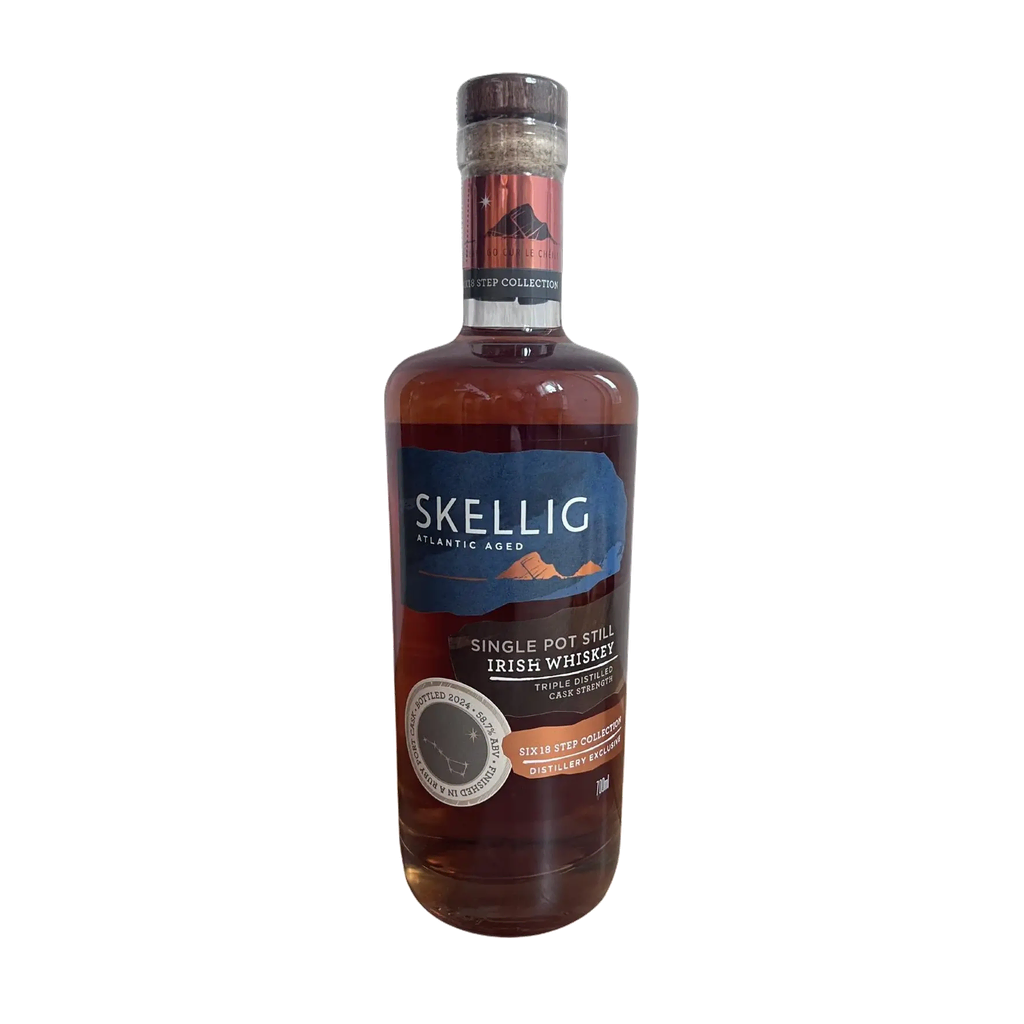
A truly unique category is Single Pot Still whiskey: made from a blend of malted and unmalted barley in copper pot stills. This style is exclusively Irish and delivers a distinctive creamy, spicy texture that you won't find in any other whisky category.
The key styles
Irish whiskey can be divided into four main categories, each defined by their ingredients and production methods:
| Style | Ingredients | Character | Example |
|---|---|---|---|
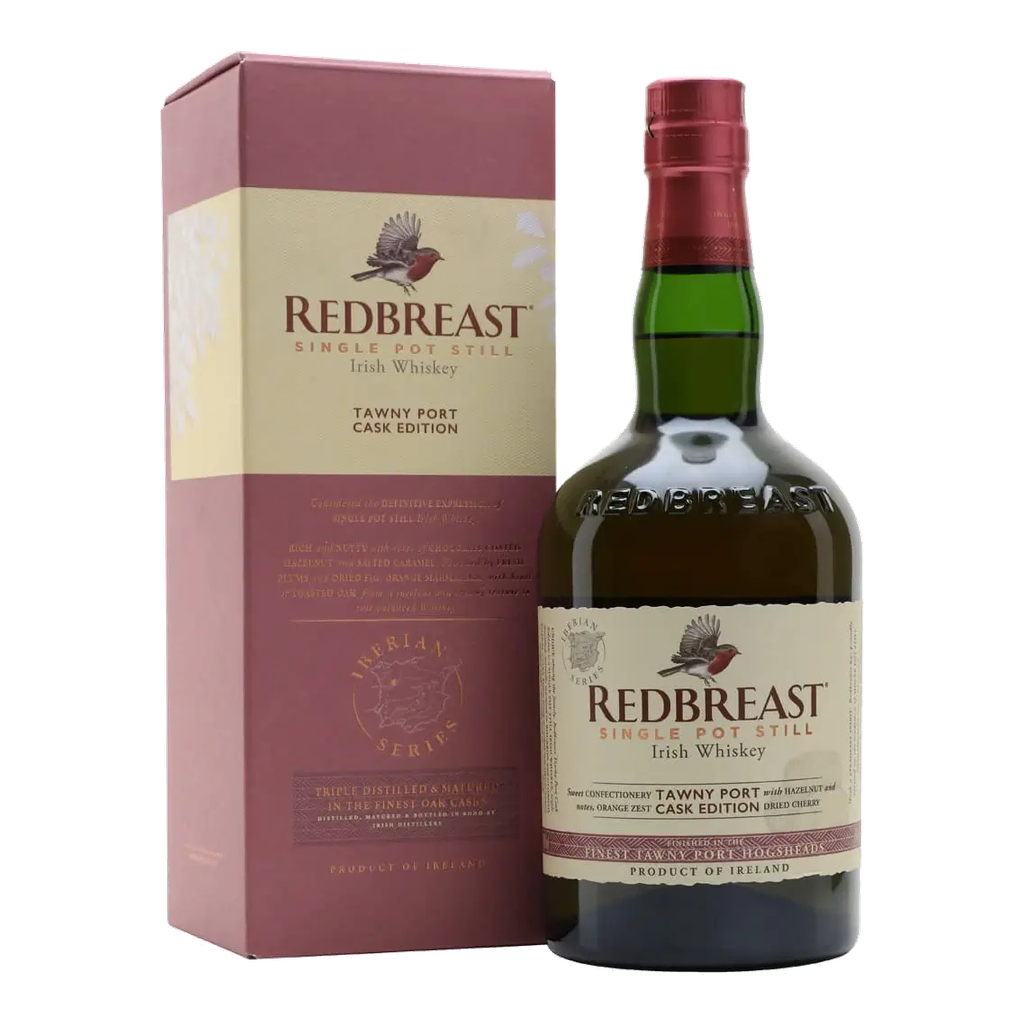
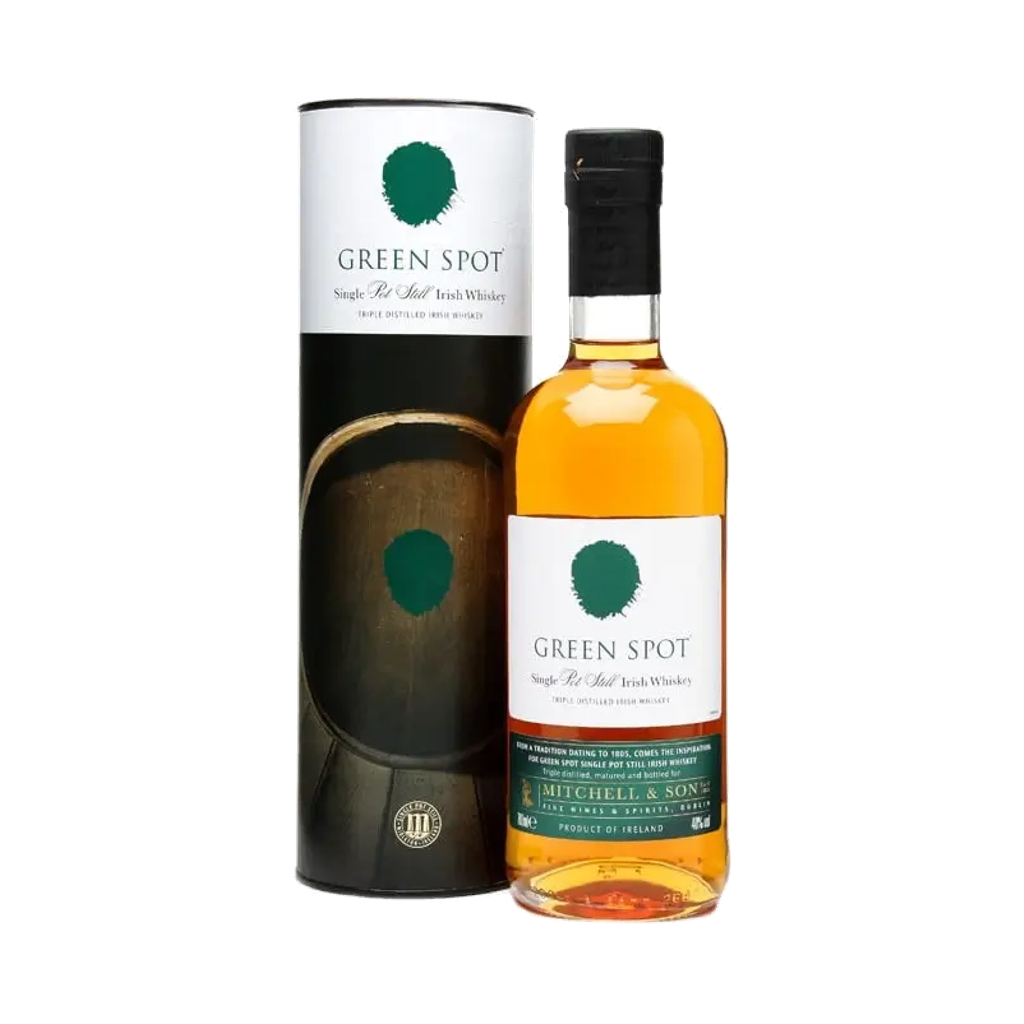
| Single Pot Still | Malted + unmalted barley | Creamy, spicy, oily | Redbreast, Green Spot |
| Single Malt | 100% malted barley | Fruity, complex | Dingle, Waterford |
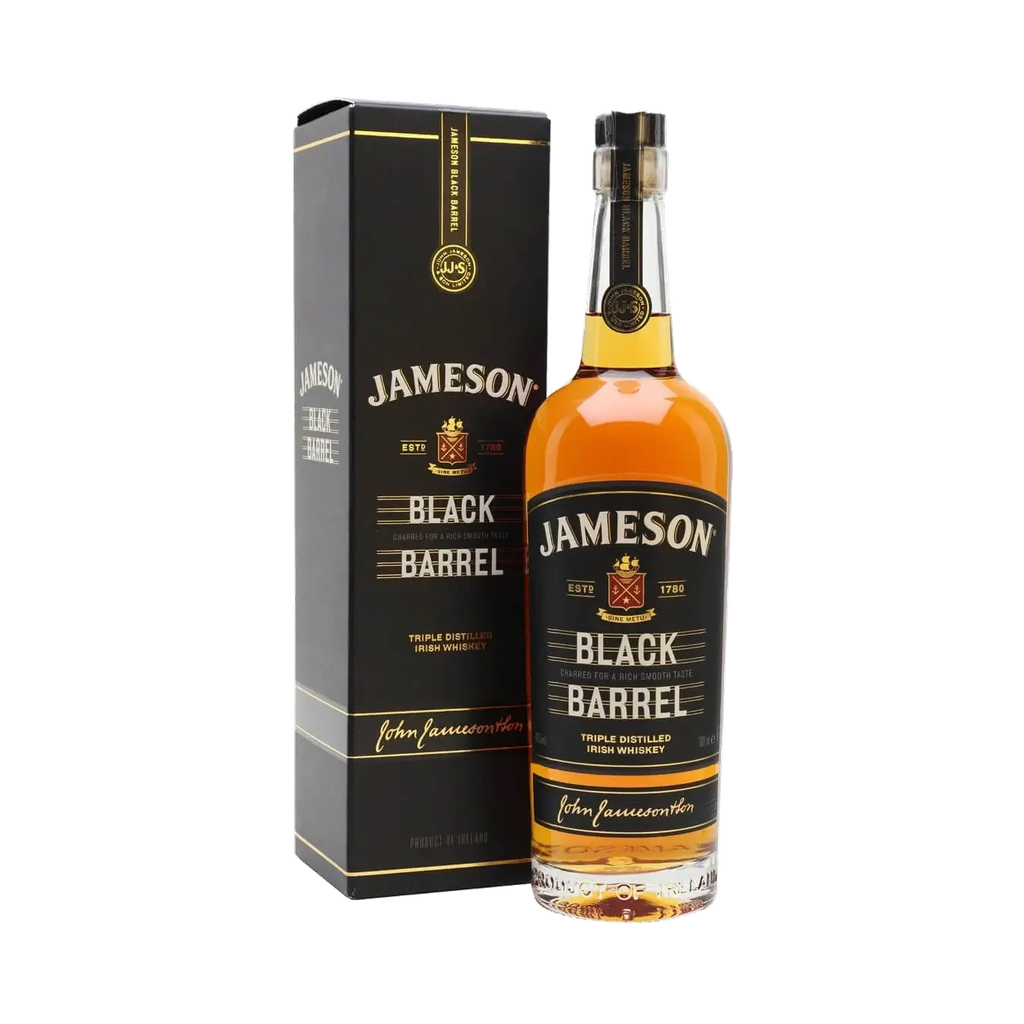
| Blended | Mix of different styles | Light, approachable | Jameson, Tullamore D.E.W. |
| Grain | Corn or wheat, column distilled | Mild, sweet | Teeling Single Grain |
Our top picks
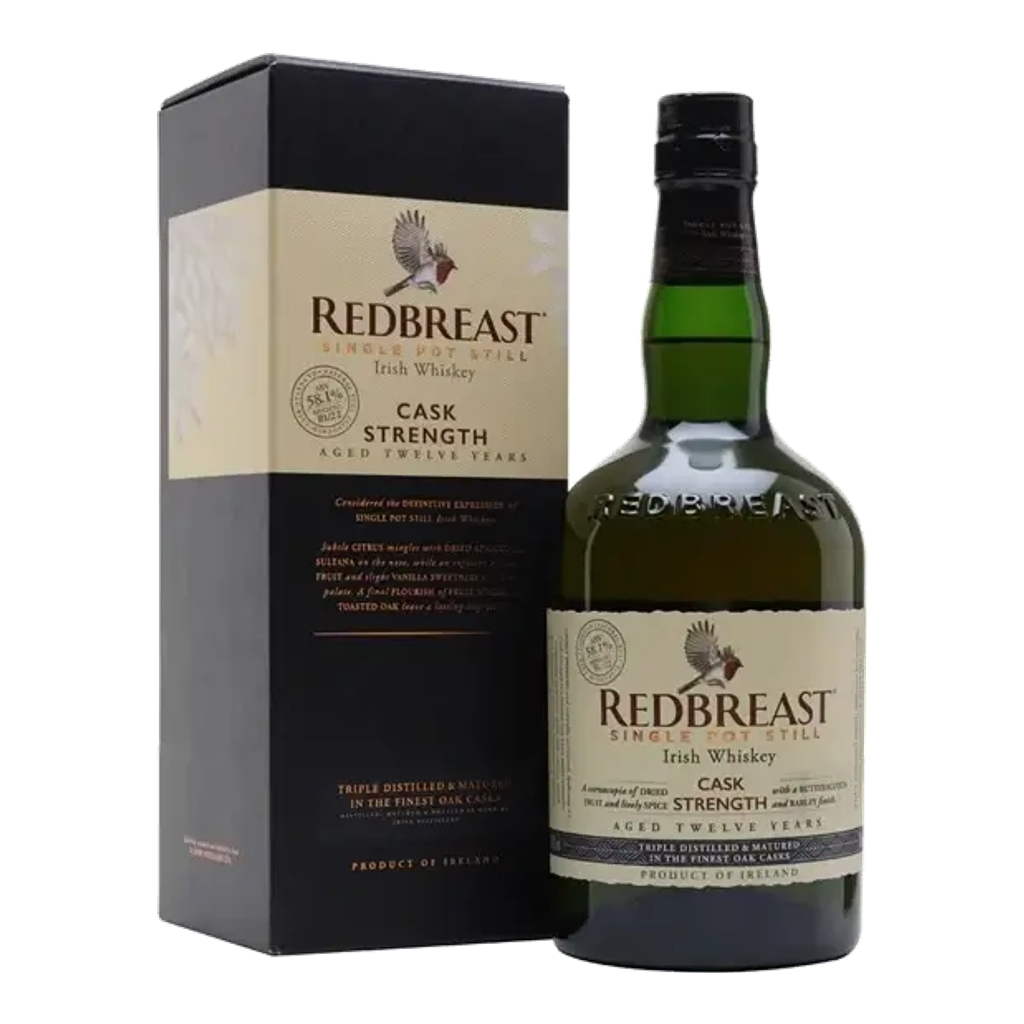
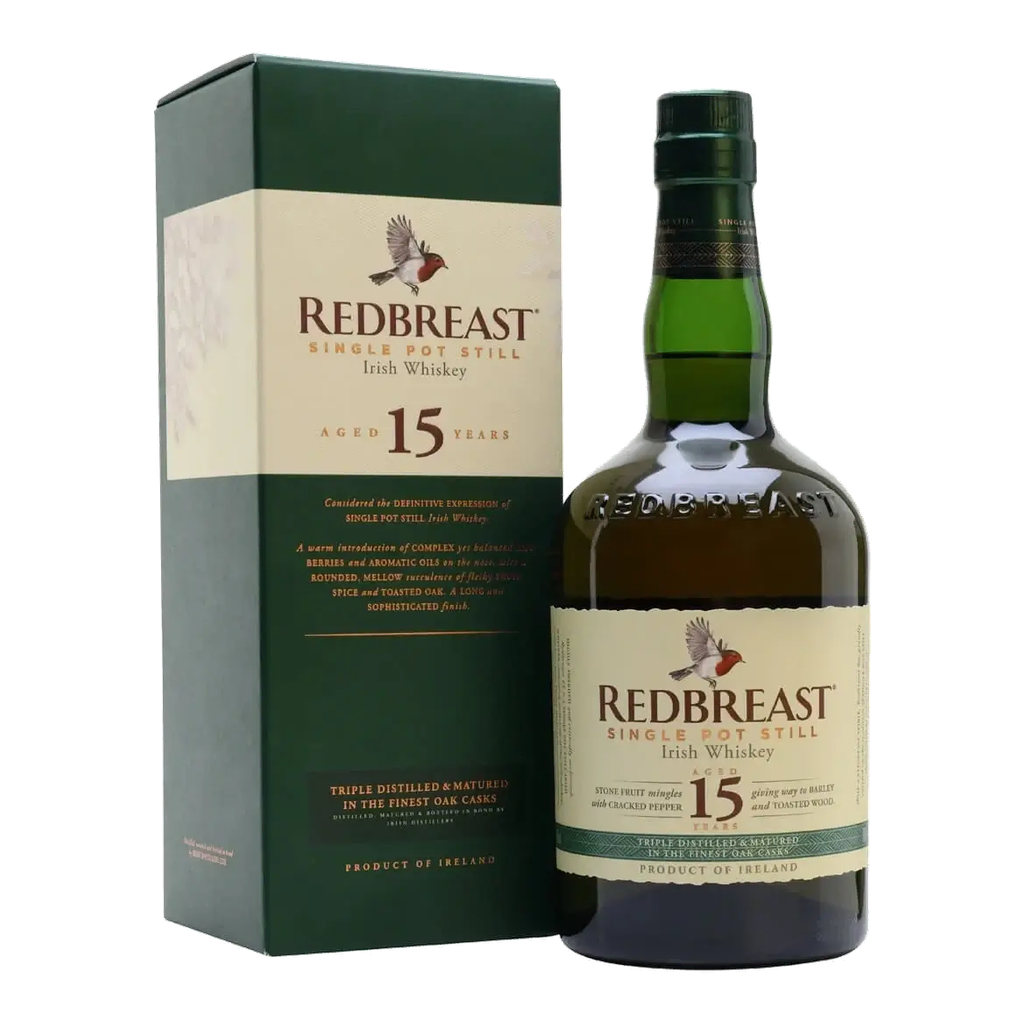
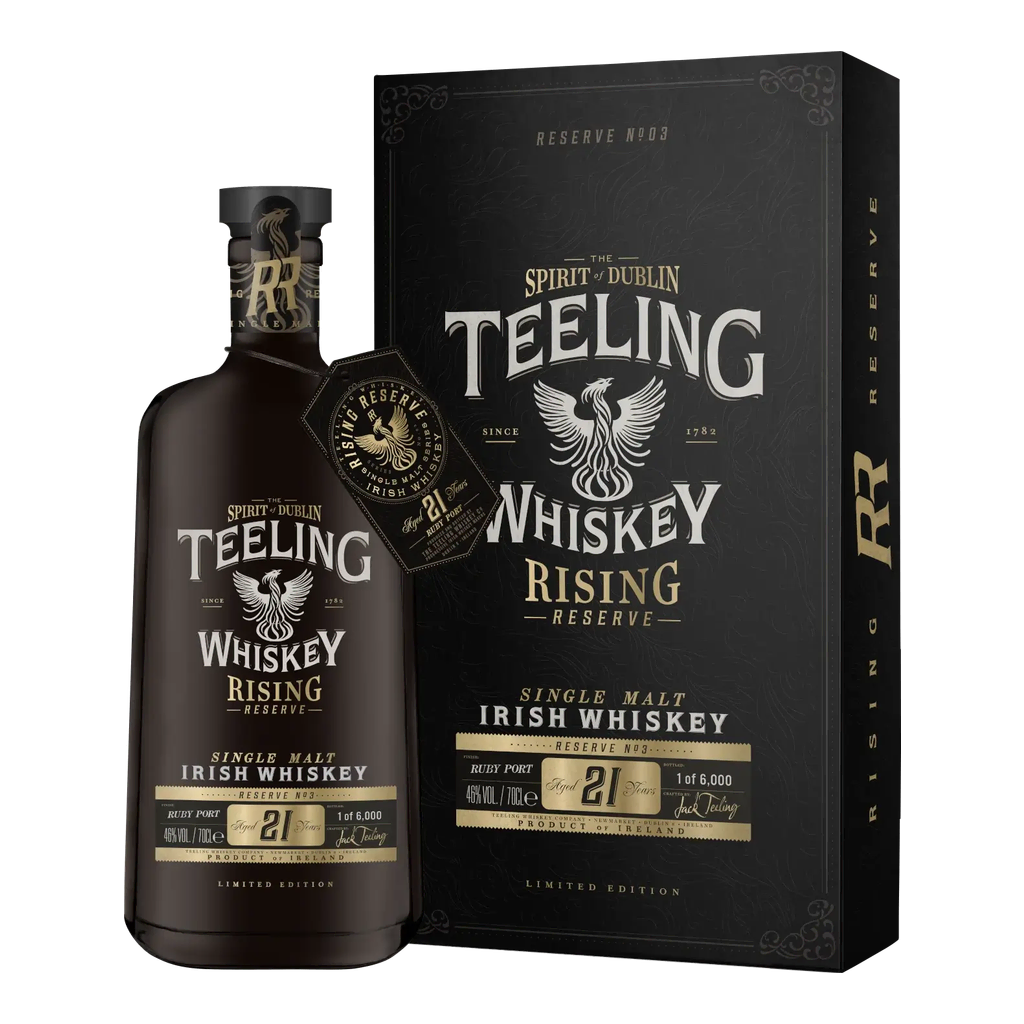
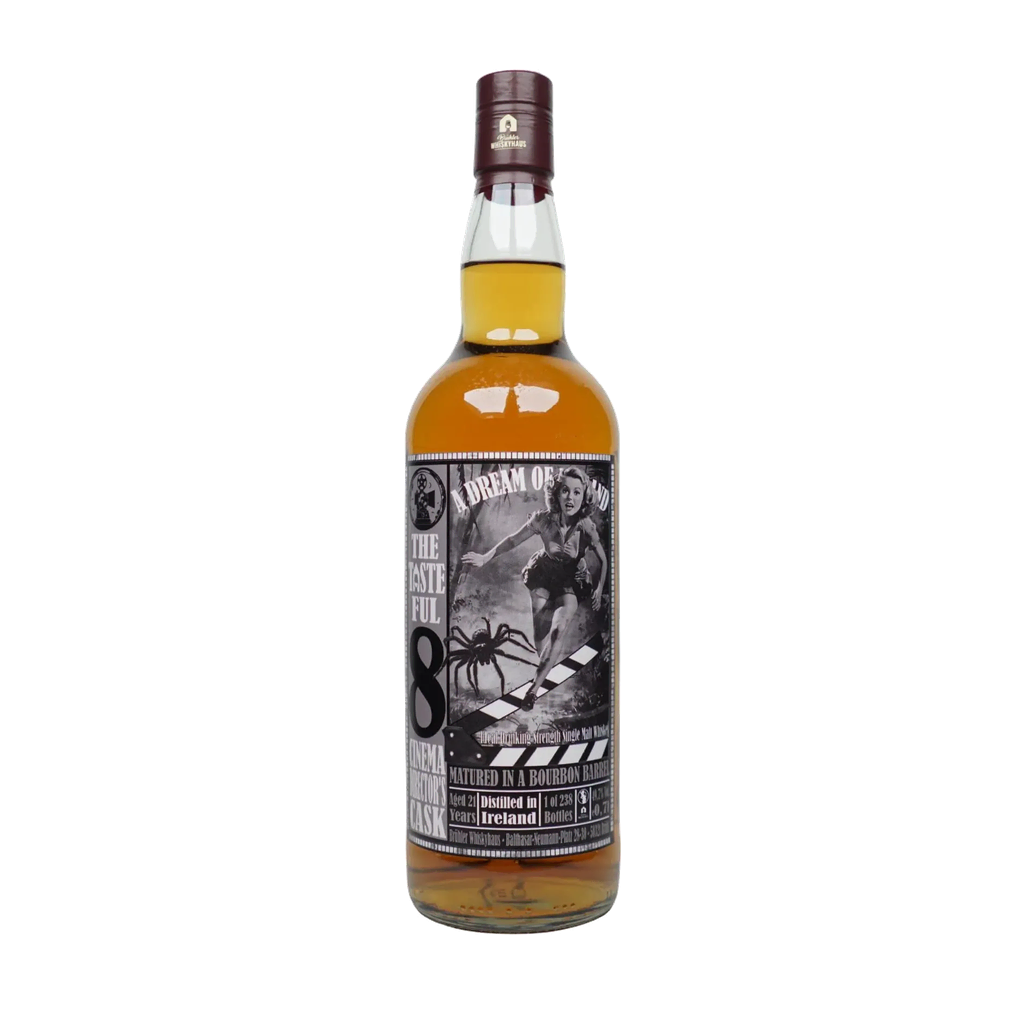
These six Irish whiskeys impressed us most in our tastings. The Redbreast range in particular showcases what Single Pot Still can achieve at the highest level — and Teeling delivers exciting cask strength releases from independent production.
Best value: Irish whiskeys for every day
Not every Irish whiskey needs to break the bank. These bottles offer solid quality at fair prices and make excellent entry points or relaxed evening pours — including on St. Patrick's Day.
How to drink Irish whiskey
Irish whiskey is versatile and there's no right or wrong way to enjoy it. Here are a few approaches that work well:
- Neat: The best way to experience the full character — ideally in a nosing glass. Especially recommended for Single Pot Still and older expressions.
- With a splash of water: A few drops can unlock hidden aromas — particularly with cask strength bottlings like the Redbreast 12 Cask Strength.
- In an Irish Coffee: The classic St. Patrick's Day serve. Best made with a robust blended Irish whiskey, hot coffee, brown sugar, and lightly whipped cream.
- And what about ice? That's perfectly fine too — it's your whiskey, enjoy it however you like.
Tip: St. Patrick's Day mini tasting
Set up a small comparison tasting: a Single Pot Still (e.g. Redbreast 12 or Green Spot), a Single Malt (e.g. Dingle or Waterford), and a Blended (e.g. Jameson). This way you'll experience the full range of Irish whiskey styles in one evening.
Frequently Asked Questions
What's the difference between Irish whiskey and Scotch?
The key differences: Irish whiskey is made in Ireland and often triple distilled, while Scotch is made in Scotland and usually double distilled. Irish whiskey traditionally uses unpeated malt, whereas smoke is typical of many Scotch styles. Additionally, the Single Pot Still style exists only in Ireland.
Is Irish whiskey always smooth and mild?
That's a common stereotype. Many Irish whiskeys are indeed approachable, but bottlings like Redbreast 12 Cask Strength or aged Teeling editions show considerable complexity and intensity. The range is broader than most people expect.
What is Single Pot Still whiskey?
Single Pot Still is a uniquely Irish style where malted and unmalted barley are distilled together in copper pot stills. The result is a particularly creamy, oily, and spicy whiskey. Redbreast and Green Spot are the best-known examples.
Which Irish whiskey is best for beginners?
Green Spot offers an excellent introduction to the Single Pot Still style. If you prefer something fruitier, Dingle Single Malt is a good choice. And Redbreast 12 (the standard bottling) is a classic that many consider one of the best entry points into Irish whiskey.
Why is whiskey spelled with an "e" in Ireland?
The spelling "whiskey" with an "e" is common in Ireland and the USA, while Scotland, Japan, and most other countries use "whisky" without the "e". The distinction dates back to the 19th century, when Irish distillers deliberately differentiated their product from Scotch.