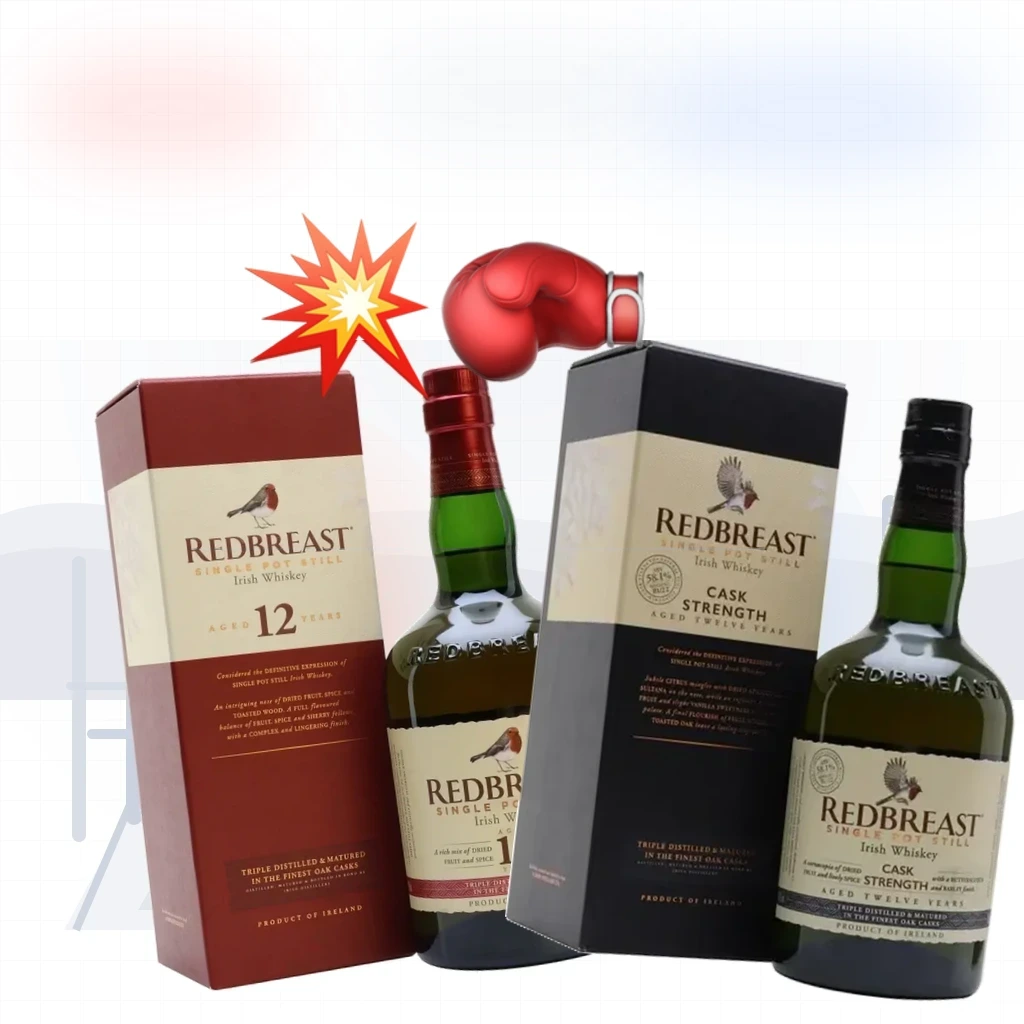
Cask strength vs standard ABV: what really tastes better?
60% alcohol! Cask strength! Undiluted! This is exactly how proof-heavy marketing often sells cask strength as automatic premium quality. The problem: more ABV does not automatically mean more flavour. In practice, balance, distillery character, and how you taste the whisky matter far more. This episode separates marketing myth from sensory reality and shows when cask strength is genuinely worth it.
The myth: more proof means better whisky
The proof logic feels intuitive
More ABV looks like more substance. Many buyers see 58% or 60% and immediately assume intensity, quality, and collector value. That is understandable, but incomplete: high alcohol content only tells you the bottling strength, not whether the whisky is balanced or aromatic.
The authenticity argument
"Undiluted" sounds more honest. That is why cask strength is often framed as the purest form of whisky. In the glass, though, it is not proof of quality. Many whiskies gain clarity, structure, and drinkability when diluted deliberately.
The collector and status effect
Cask strength is often linked to limited releases, expertise, and "serious" whisky drinking. That shifts attention from sensory quality to the number on the label. The real question is not how high the ABV is, but how well the whisky performs in the glass.
The marketing shortcut: proof replaces explanation
The more a whisky needs context, the more useful a simple sales message becomes. "Cask strength" works as a shortcut: it sounds technical, exclusive, and expert-level. That is convenient for buyers because it reduces the need to judge maturation, cask selection, and style profile. That convenience is exactly where the myth gets stronger.
The facts: what ABV really changes in the glass
More alcohol does not automatically mean better aroma perception
Higher alcohol can carry aromas, but it can also mask them. As strength rises, alcohol burn often becomes more dominant and subtle notes are harder to read. Younger or sharper bottlings can become one-dimensional at cask strength if the alcohol is not well integrated.
| ABV range | Typical sensory impression |
|---|---|
| 40-43% | Accessible and often round; can feel thin if body is weak |
| 43-46% | Often a very strong balance of structure, aroma, and drinkability |
| 46-50% | More drive and texture when the alcohol is well integrated |
| 50%+ | Can be complex, but alcohol heat dominates more easily |
Dilution is a tool, not a flaw
A few drops of water can open a whisky. This is especially true for high-proof bottlings. If you judge cask strength only neat, you are often testing the harshest version of the bottle, not the best one.
That is why "cask strength vs standard ABV" is not an ideology contest. It is a question of style, cask quality, and the right drinking strength in the glass.
Why comparison conditions often decide the result
A lot of supposed cask-strength "wins" come from unfair setups: different glasses, different resting times, or no water test for the high-proof bottle. If you want a fair comparison, standardize the conditions and taste the cask strength whisky inside a realistic drinking window, not only at maximum impact.
The other side: when cask strength really makes sense
There are valid reasons to buy cask strength
Cask strength is not automatically bad. It can be excellent when the bottling has enough substance, balance, and aroma density. Then it offers flexibility: you can move the whisky toward your preferred drinking strength step by step.
- For single cask bottlings with exceptional structure and character
- For robust bourbon/rye styles that are built for higher proof
- For experienced drinkers who like to compare and work with water deliberately
- When the price premium stays reasonable and you are not paying only for the label story
When standard ABV is the better choice
Many standard bottlings are intentionally set at a strength where distillery character is directly accessible. That is not a weakness. It is often a well-curated drinking decision by the producer.
Practical tasting: compare fairly instead of chasing proof
A simple comparison protocol
- Taste both whiskies neat first and note nose, palate, and finish.
- Then add water drop by drop to the cask strength whisky and retaste.
- Score not only intensity, but also clarity, balance, and drinkability.
- Look at price last: more ABV is not a substitute for better flavour.
When the premium is more likely to be worth it
- The whisky stays complex and precise with a little water.
- The cask strength version shows clearly more character than the standard bottling.
- You actually want to experiment instead of just buying a "stronger" label.
- The markup is reasonable and not driven only by limited-edition marketing.
A good comparison does not end with "more punch." The better bottle is the one you enjoy pouring repeatedly. Drinkability across more than one dram is a quality signal that gets lost in proof-focused hype.
Price and value: what you are really paying for in cask strength
More alcohol is not automatically more enjoyment value
Part of the premium can be justified, for example with strong single cask releases or genuinely complex bottlings. But very often you are also paying for positioning, story, and the expectation that "more proof" must mean premium. Value does not come from the spec sheet alone, but from enjoyment per glass.
| What you are paying for | What real added value looks like |
|---|---|
| High ABV on the label | The whisky stays balanced neat and with water |
| Limited batch/release messaging | A distinct profile, not just more impact |
| Collector story and prestige | Clear sensory gains over the standard bottling |
| Premium packaging/exclusivity feel | You keep reaching for the bottle, not just once out of curiosity |
One simple question before checkout
Ask yourself: am I buying flavour or a concept? If the main reason is "cask strength" without knowing the style or use case, you are usually paying more for the concept than for guaranteed enjoyment.
From our reviews: balance beats proof on its own
Standard and moderate-strength bottles with strong value
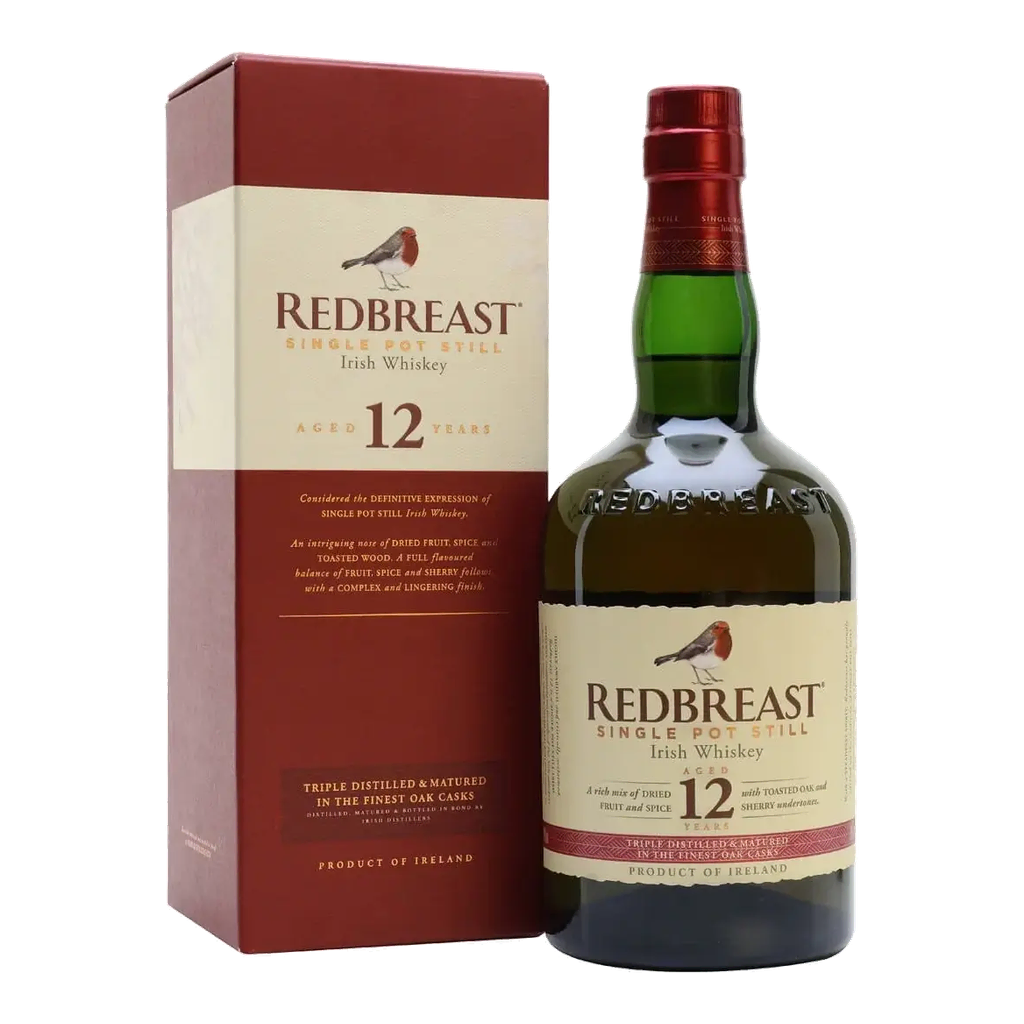
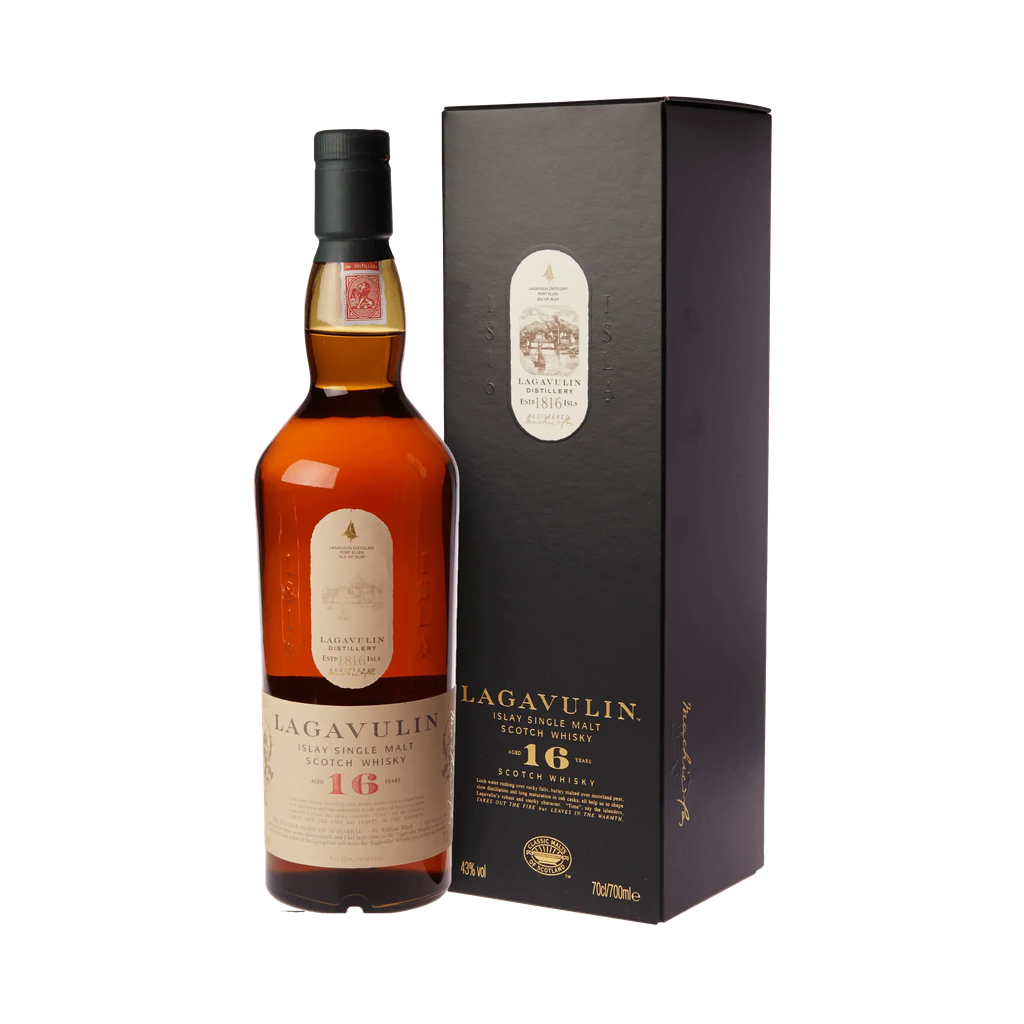
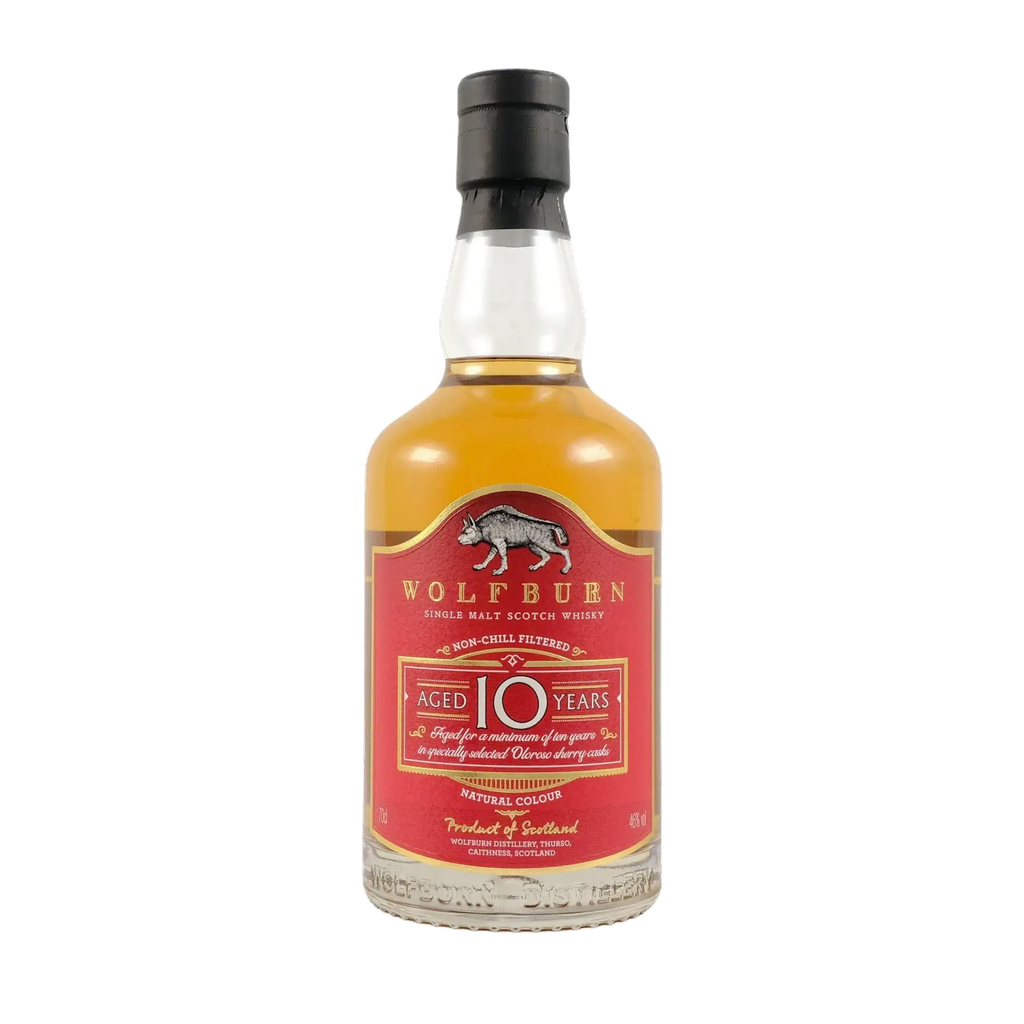
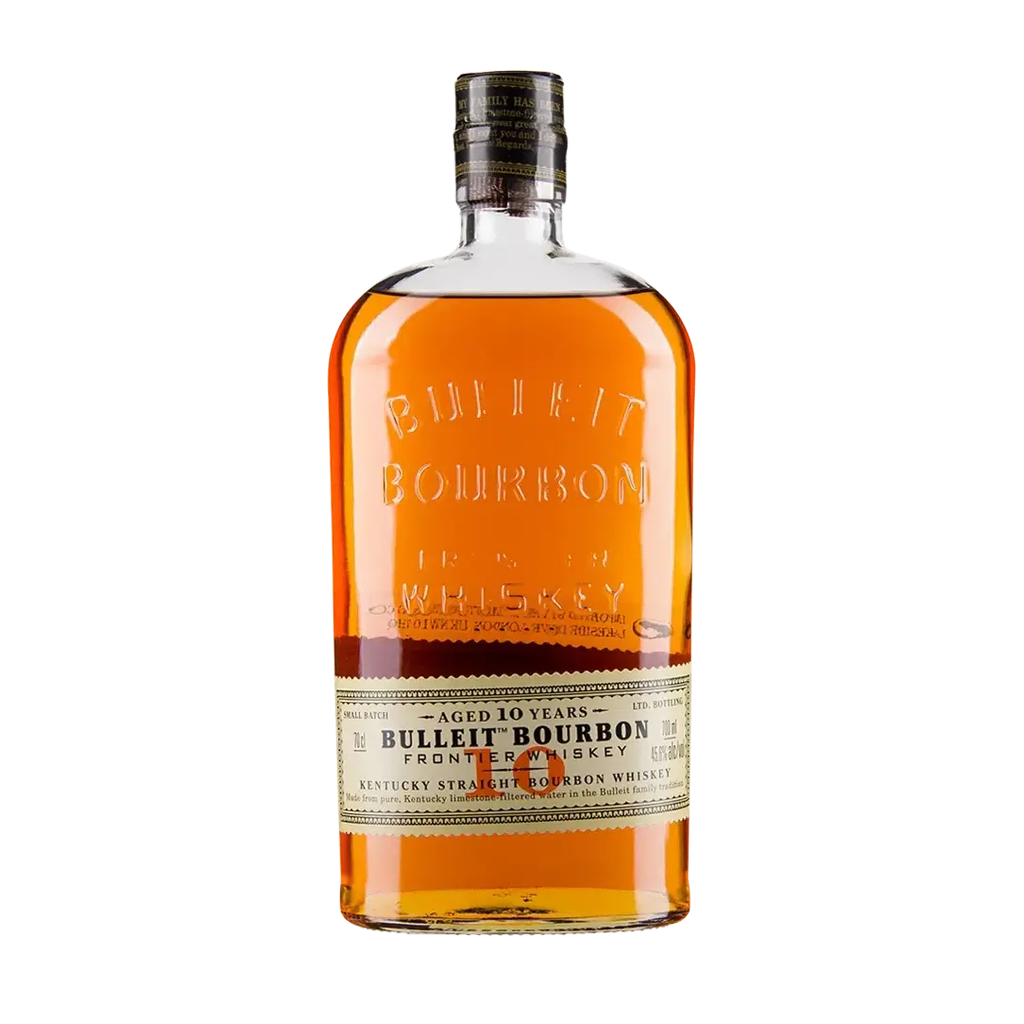
This selection shows the key point well: the highest number does not win automatically. A well-integrated standard or moderate ABV can deliver more pleasure than raw power without balance. In direct comparison, differences in mouthfeel, alcohol integration, and clarity become obvious very quickly. A "lower-proof" bottle does not necessarily taste weaker. It often just tastes more composed.
Cask strength examples with distinct character
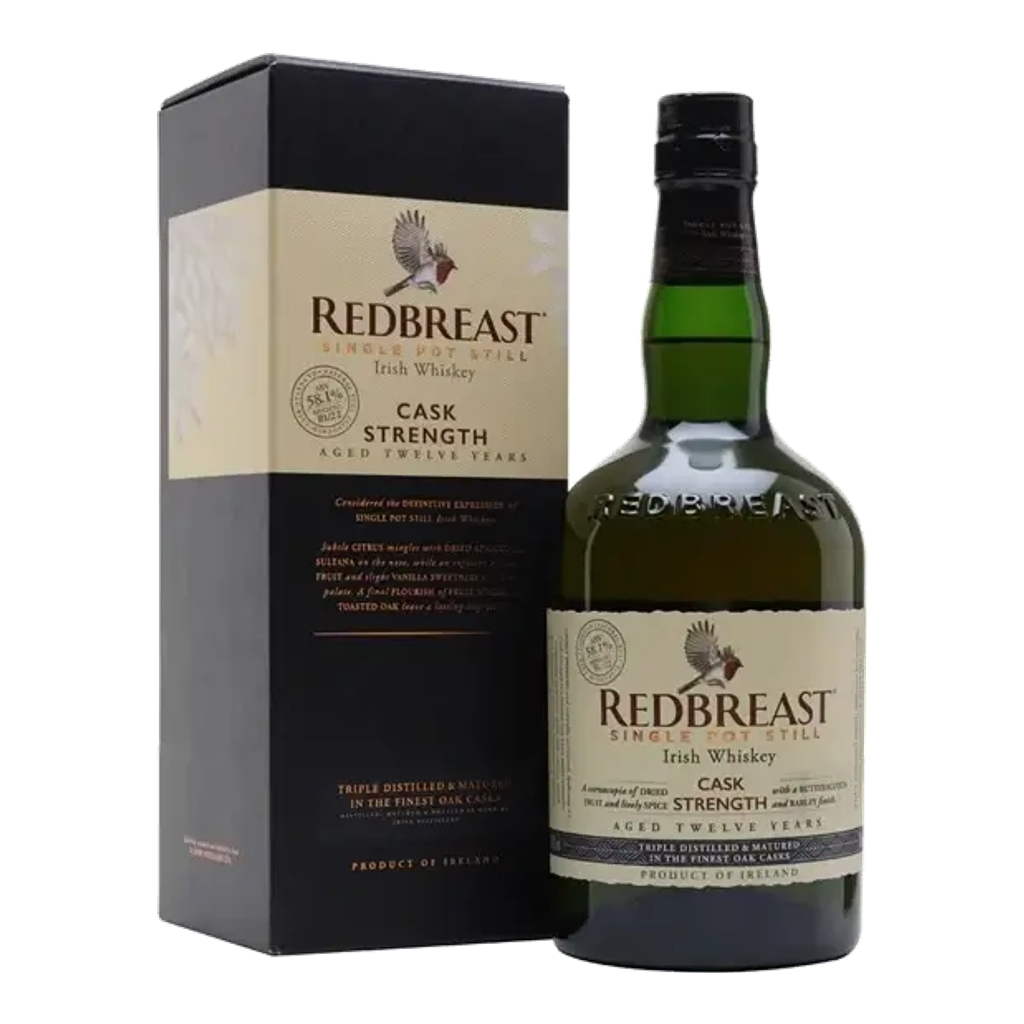
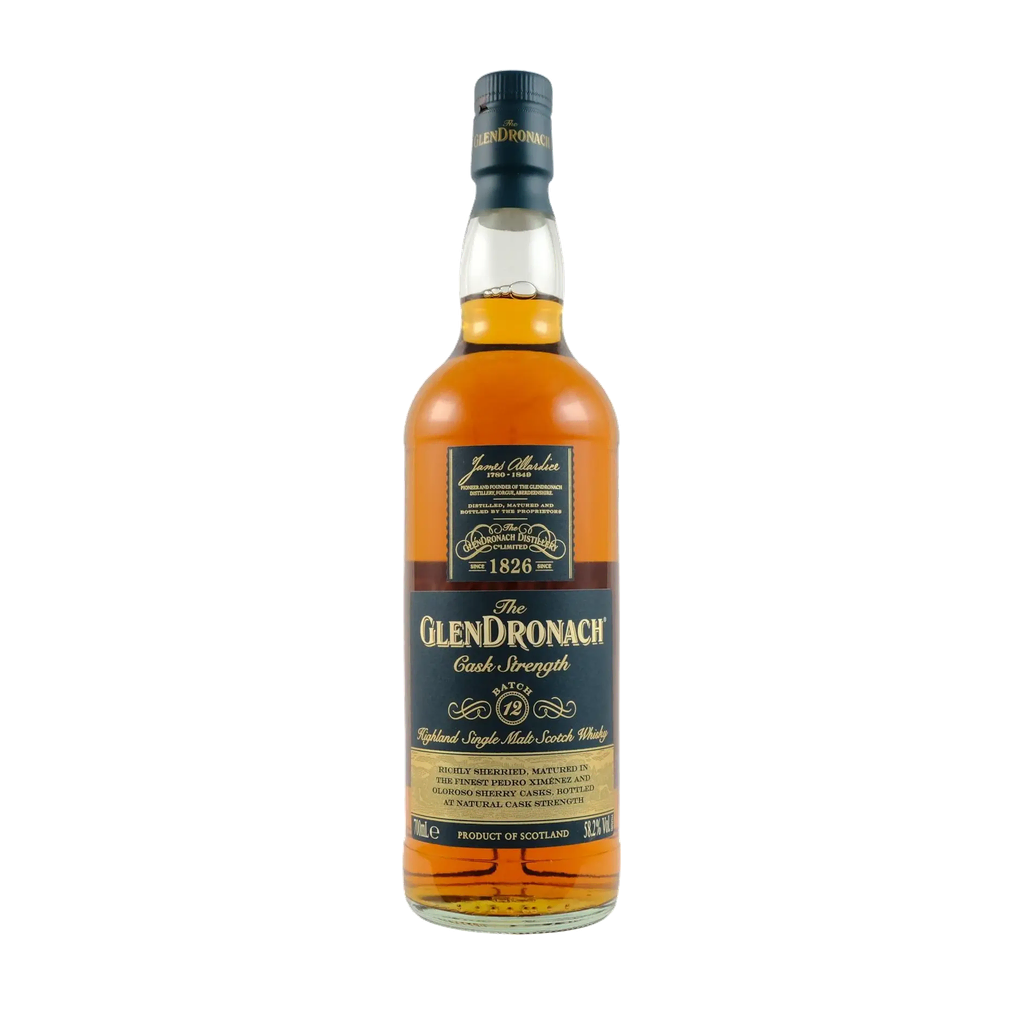

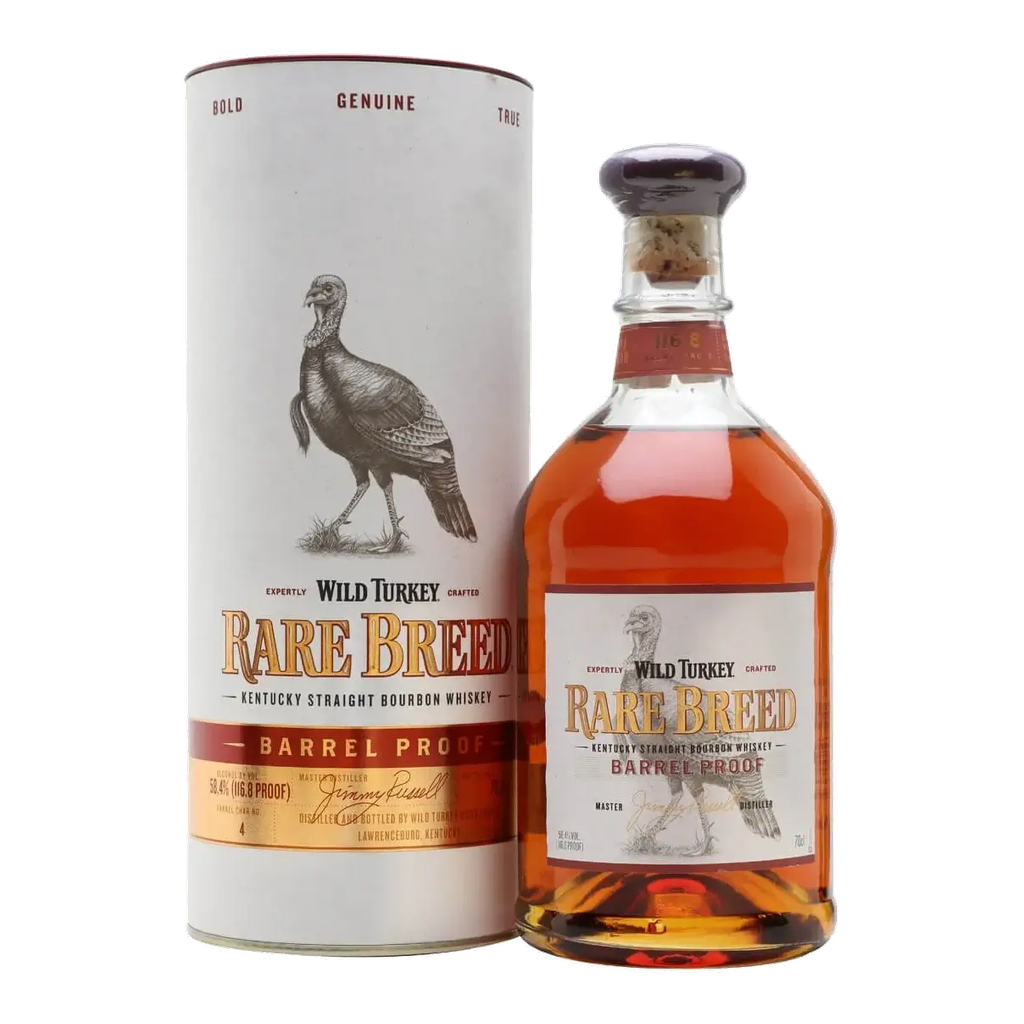
These are good examples of cask strength as a style choice and comparison tool. Even here, the deciding factor is still how the whisky develops in the glass, not just on the spec sheet.
The conclusion
The myth that "cask strength = better" survives because it is easy to understand and easy to sell.
The reality: cask strength can be excellent, but only when balance, cask quality, and tasting method are right. Standard ABV is not inferior. It is often the more accessible and better-integrated expression.
Do not rate proof alone. Rate what happens in the glass.
If you buy cask strength, buy it as a tool for flexible tasting, not as an automatic quality shortcut. That mindset makes the premium worthwhile in some cases, but not by default.
Frequently Asked Questions
Is cask strength always better than standard ABV?
No. It can be more intense, but not automatically better. Balance, distillery character, and your drinking strength matter more.
Should cask strength always be diluted with water?
Not always, but it is usually worth testing. Many high-proof whiskies show clearer aromas and better structure with a little water.
Why is cask strength often more expensive?
Partly because of positioning and limited-release marketing. A higher price does not automatically signal better sensory quality.
How do I recognize a good cask strength bottling?
It stays balanced at high proof, is not just sharp, and gains additional aroma detail with controlled dilution instead of falling apart.
Is standard ABV only for beginners?
No. Many excellent standard bottlings are intentionally set at a strength that presents the distillery character clearly and drinks well. That is often a style choice, not a cost-cutting signal.