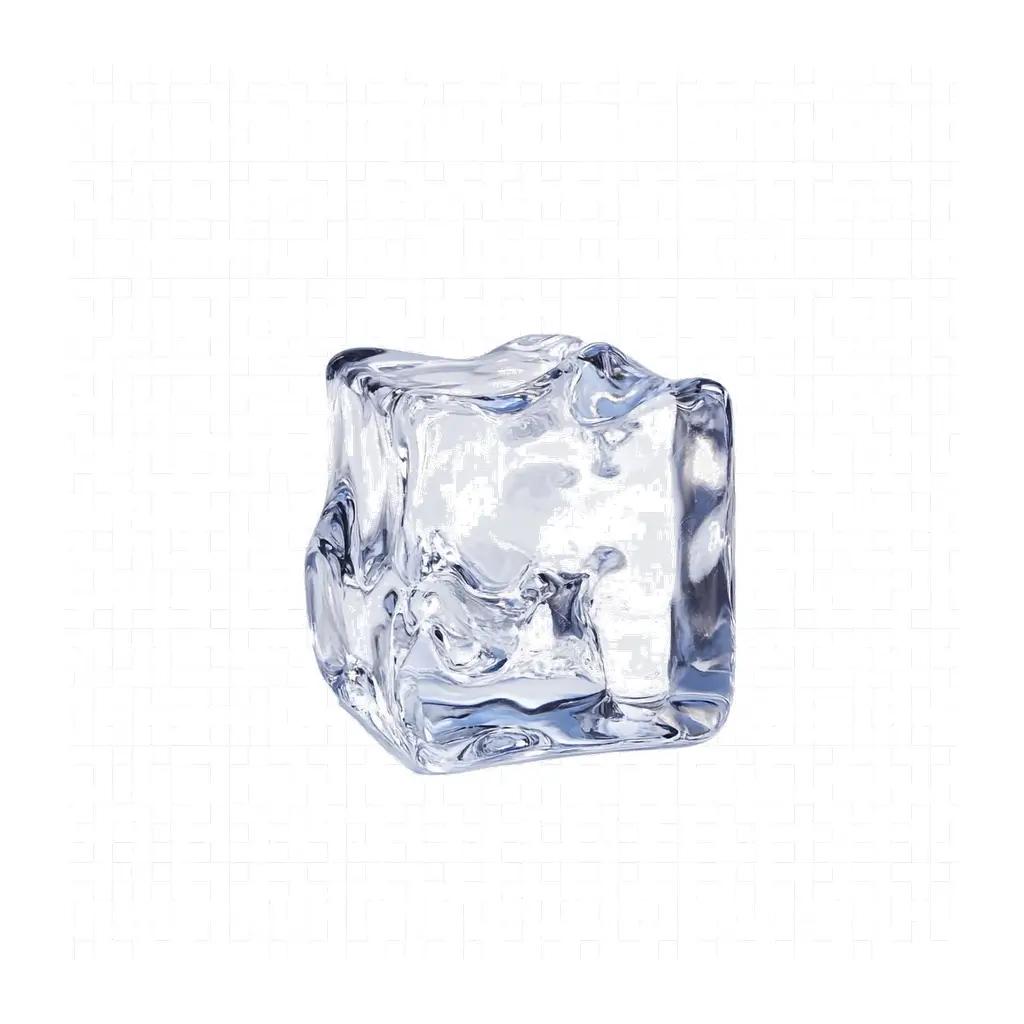
Ice in whisky: sin or sensible?
Whisky with ice? That's like Champagne with Coke! This is how self-proclaimed whisky purists react when someone puts ice cubes in their single malt. But while they indignantly turn up their noses, they overlook an important fact: Some whiskies actually taste better with ice. In our scientifically-based tests, we discovered when ice cubes ruin whisky - and when they bring it to perfection. Prepare for insights that will silence whisky snobs.
The myth: the ice inquisition
The purist propaganda
"Real whisky is drunk neat!" You hear these beliefs in every whisky bar. Ice cubes are considered a mortal sin, a sign of lacking respect for the noble distillate. Those who take ice, according to the theory, understand nothing about whisky.
The master blender argument
"The distiller has perfectly balanced the whisky - why should one change it?" This logic sounds convincing but ignores an important fact: Many master blenders test their whiskies at different temperatures and dilution levels. By the way: This no longer applies when bottled at cask strength.
The tradition trap
In Scotland, whisky is drunk neat - so that must be right? Wrong. Scots often drink their whisky diluted with water. And in America? There, "on the rocks" is completely normal.
The science behind ice and whisky
Temperature and taste perception
Cold temperatures numb taste receptors - that's a fact. At 0-5°C (ice cube temperature), perceived aroma intensity is significantly reduced. But: This can actually be desirable with aggressive, high-proof whiskies.
The aroma molecules:
| Temperature | Typical effect in the glass |
|---|---|
| 18-22°C | Maximum aroma release |
| 10-15°C | Less alcohol burn, softer perception |
| 0-5°C | Strongly muted aromas, but less alcohol burn |
Dilution: curse or blessing?
Water opens whisky. A few drops can release closed aromas. But what happens with the stronger dilution from melting ice?
Scientific findings:
| ABV range | Sensory effect |
|---|---|
| 40-45% ABV | Often optimal for aroma perception |
| 35-40% ABV | Still good, usually rounder on the palate |
| Under 35% ABV | Noticeable flavor loss for most whiskies |
The other side: why ice opponents are right
Not all criticism of ice cubes is unfounded. There are valid reasons why many experts advise against it:
The legitimate objections:
Critics are right to flag aroma loss, potential over-dilution, and masking effects. Many premium bottlings are built for room temperature and lose precision when heavily chilled.
When purists are right:
With complex aged single malts and limited editions, ice is often counterproductive because those subtle nuances are exactly what you paid for. Heavily sherried or peated styles also tend to be temperature-sensitive.
Practical tips: the ice rules
The 50% rule
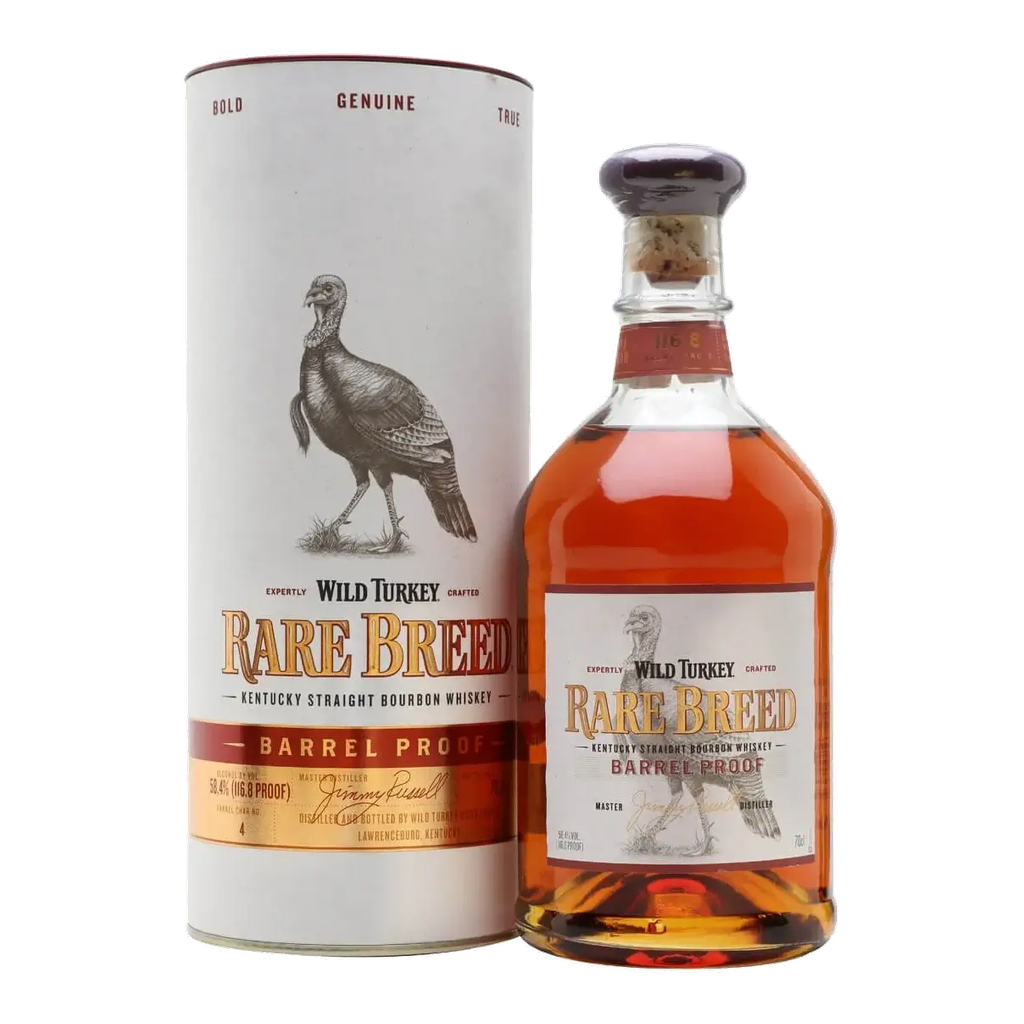
Rule of thumb: Over 50% ABV, ice can help; under 45% ABV, it is usually unnecessary; and around 40-43% ABV, dilution often hurts more than it helps.
The temperature compromise
Instead of ice cubes: use whisky stones or chilled glasses. This way you get the temperature benefits without dilution.
The timing strategy
Taste it neat first to understand the baseline, then try it with ice, and decide based on your own preference rather than someone else's rulebook.
Ice cube quality
Use clear, flavor-neutral ice. Chlorine taste from tap water can ruin the whisky.
The cultural context
American whiskey culture
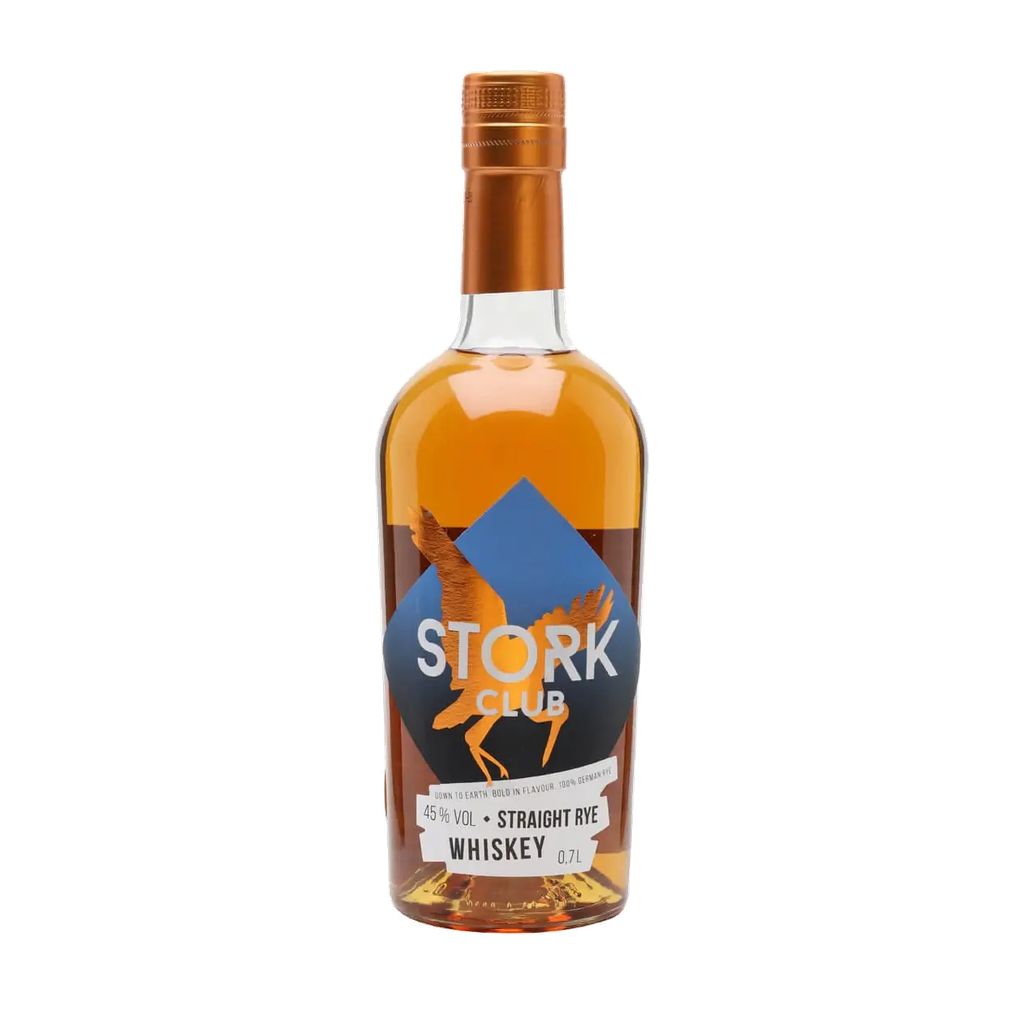
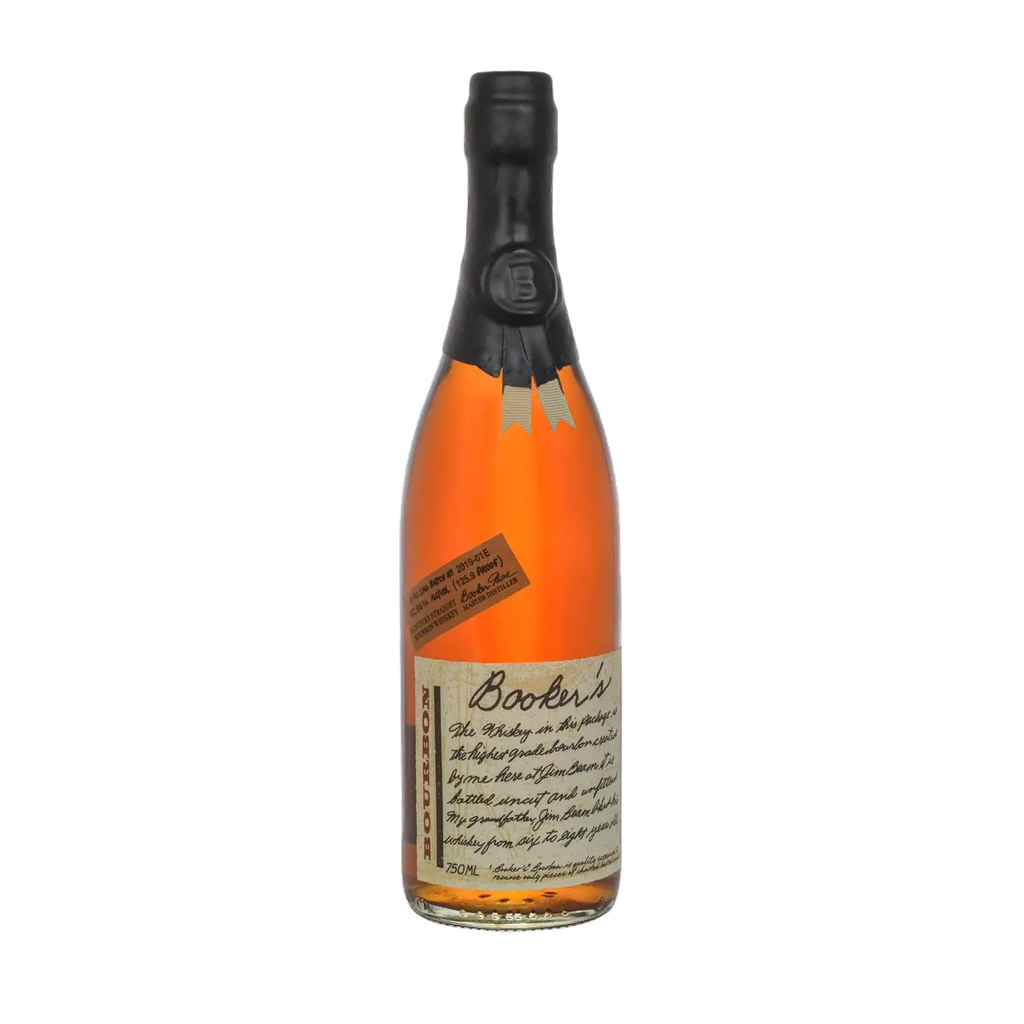
In the USA, "on the rocks" is completely normal. Bourbon and rye whiskey are often designed for this consumption. Higher sweetness and a robust character work well with ice.
Scottish tradition
Scots drink whisky with water - but not with ice. This is due to the climate: in Scotland, room-temperature whisky is not too warm. In hotter countries, ice makes more sense.
Japanese highball culture
In Japan, whisky highball (with soda and ice) is mainstream. Even premium whiskies are drunk this way. The Japanese have proven: there's more than one "right" way to drink whisky.
Concrete recommendations from our tests
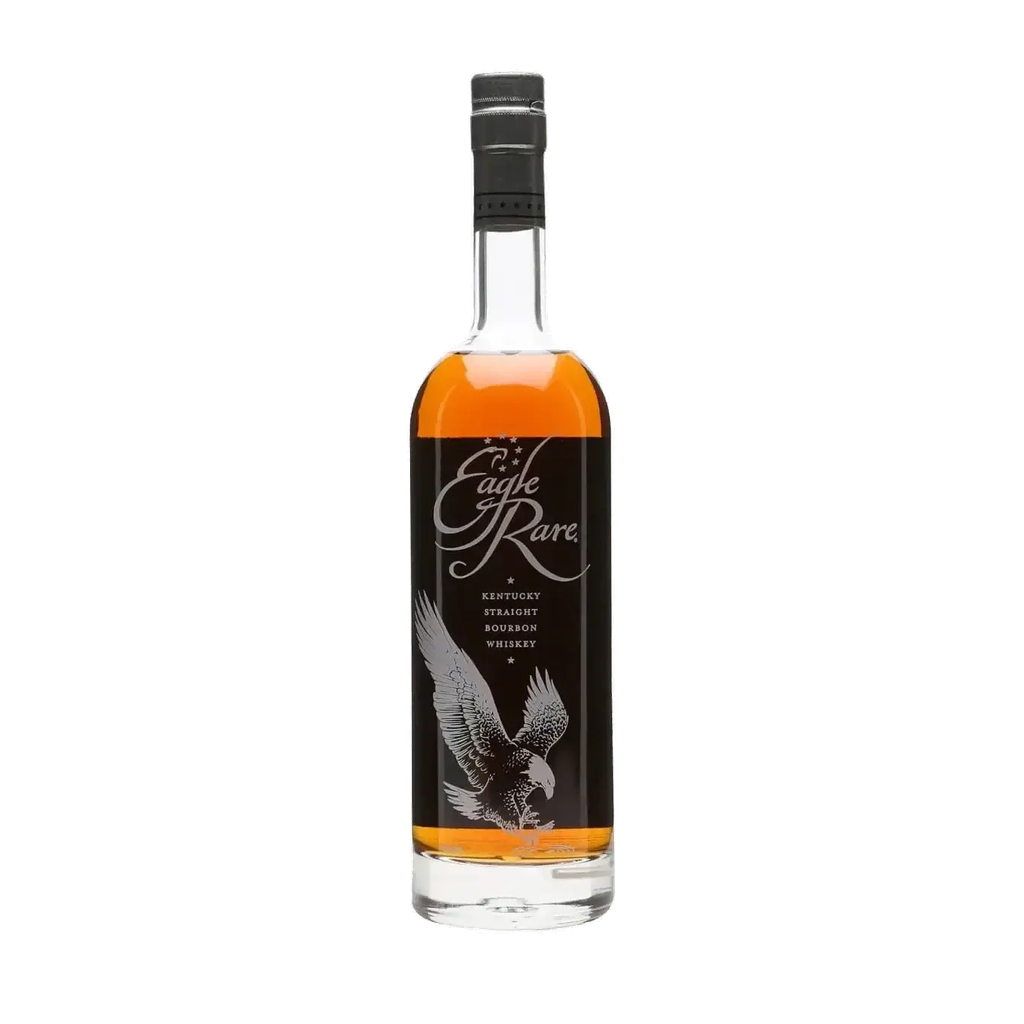
The conclusion
The truth about ice and whisky is more complex than either extreme claims. Neither are ice cubes fundamentally bad, nor do they improve every whisky.
The reality: High-proof, aggressive whiskies often benefit from ice. Complex, balanced whiskies usually suffer from it. Your taste decides - not some rules.
Many whisky purists reject ice without ever having systematically tested it. At the same time, some people drink exclusively with ice and miss the true personality of the whisky.
The truth: the best whisky is the one that tastes good to you - whether neat, on the rocks, or with water.
Test for yourself. Compare. Develop your own style. And don't let anyone dictate how you should drink your whisky.
Frequently Asked Questions
Does ice ruin every whisky?
No. With high-proof, aggressive whiskies, ice can bring significant improvement. It depends on the whisky.
What do master blenders say about ice?
Many test their whiskies at different temperatures. Some bourbons are even explicitly designed for "on the rocks".
Are there alternatives to ice cubes?
Yes: whisky stones, chilled glasses, or storing the whisky in the refrigerator. This way you get cooling without dilution.
How do I know if a whisky works with ice?
Rule of thumb: over 50% ABV, ice can help. Under 45% ABV it is usually unnecessary. Best to test both versions.