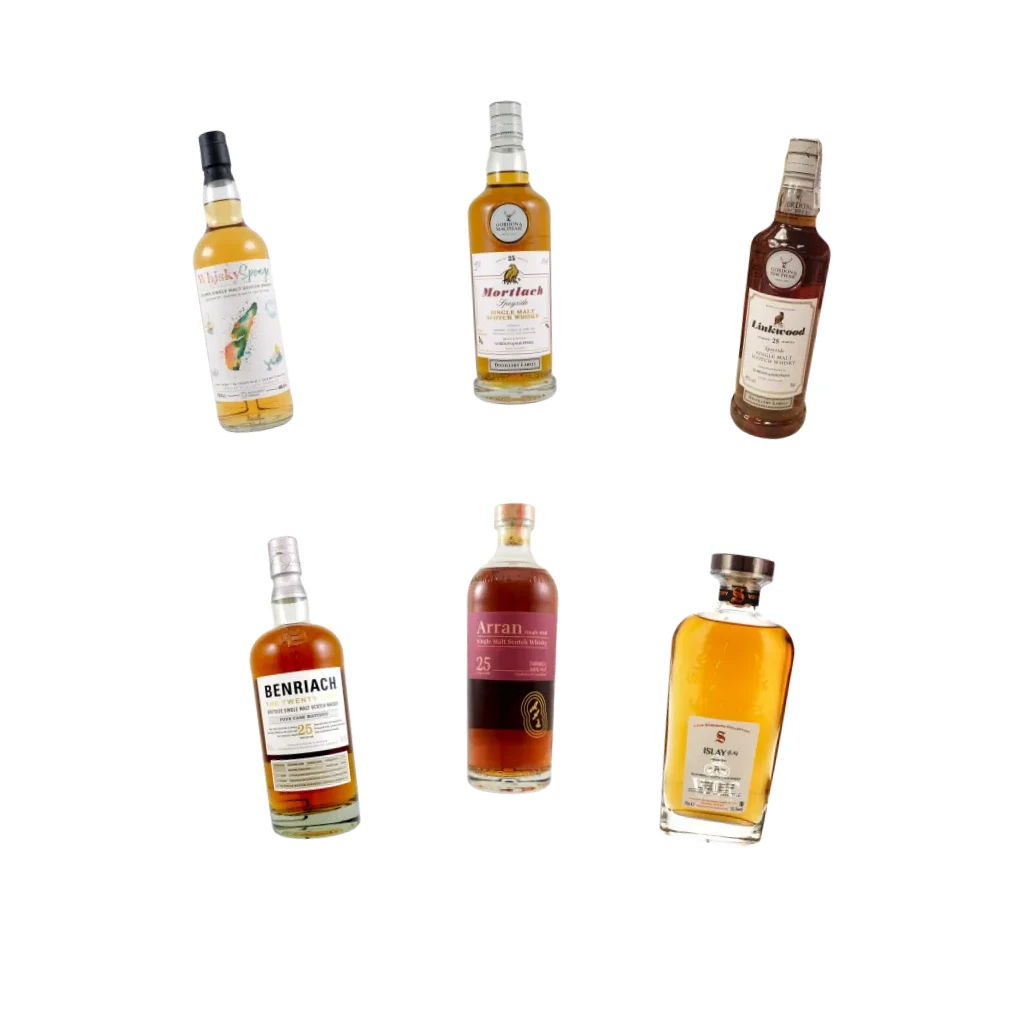
Older is better? Why older whisky can disappoint
A 25-year-old whisky for €400 - and it tastes worse than a 5-year-old for €60. This is not a one-off but the bitter reality of the biggest whisky myth of our time. While collectors and beginners chase age statements, they miss a fundamental truth: age is not a quality guarantee. In our tastings we see it again and again: young whiskies give older releases the red card. Time to bury this expensive mistake for good.
The myth: why do you believe this?
The marketing machine
The whisky industry has drilled into us for decades: age = quality = price. 18 years is better than 12 years, 25 years is better than 18 years. This simple equation is so deeply ingrained that even experienced drinkers automatically reach for older bottlings.
The prestige mindset
"I only drink whiskies aged at least 20 years" - you hear statements like this constantly in whisky bars. Age becomes a status symbol, not a flavor statement. Many forget: a bad 25-year-old remains a bad whisky - no matter how old it is.
The "rare = better" trap
Older whiskies are rarer, so they must be better? Unfortunately wrong. Rare whiskies are often rare simply because little was produced - not because they are exceptionally good.
The facts: why age sometimes hurts
Over-oaking: when wood becomes a flavor killer
After some years, the cask can become the enemy. What initially delivers elegant vanilla and caramel notes becomes a dominant wood monster that drowns out subtle distillery characteristics.
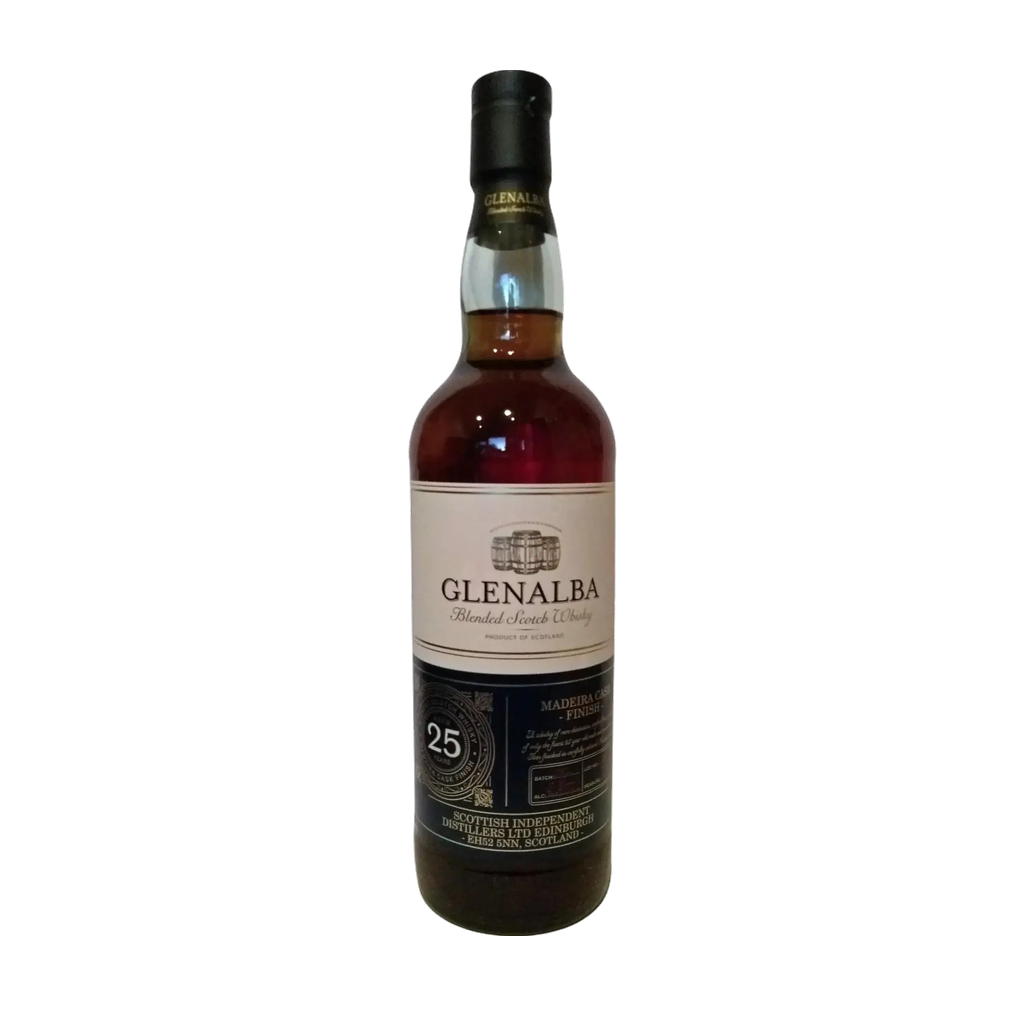
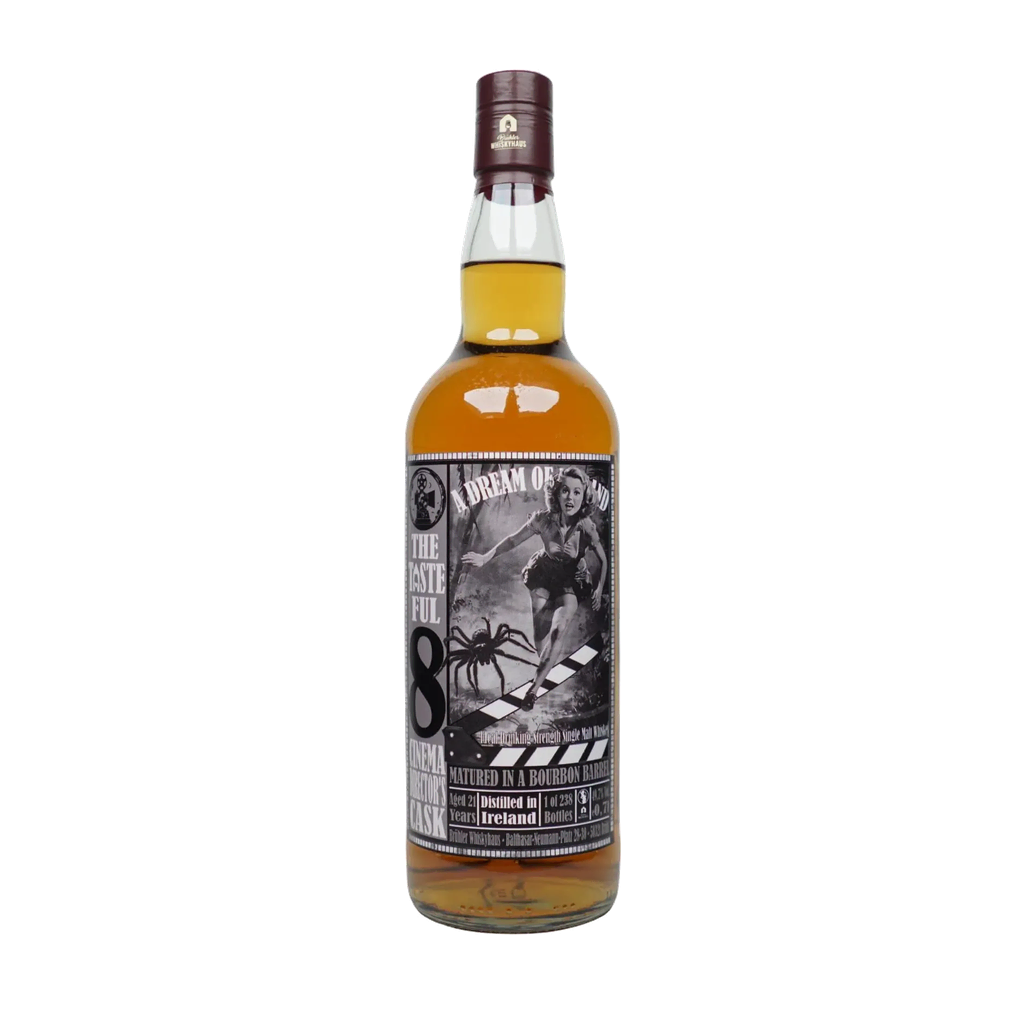
A 5-year-old beats a 25-year-old by 4 points.
Angel's share: concentration ≠ complexity
Each year, 1–2% of the whisky volume evaporates in Scotland, and up to 4% in warmer climates like Kentucky or India. What remains becomes more concentrated - but not necessarily better. Concentration can lead to unbalanced, overly spicy-bitter profiles.
Cask quality decides, not age
An exhausted cask after 25 years delivers less flavor than a fresh sherry cask after 8 years. Cask history is more important than any age statement.
From our experience: young beats old
5 years vs. 27 years
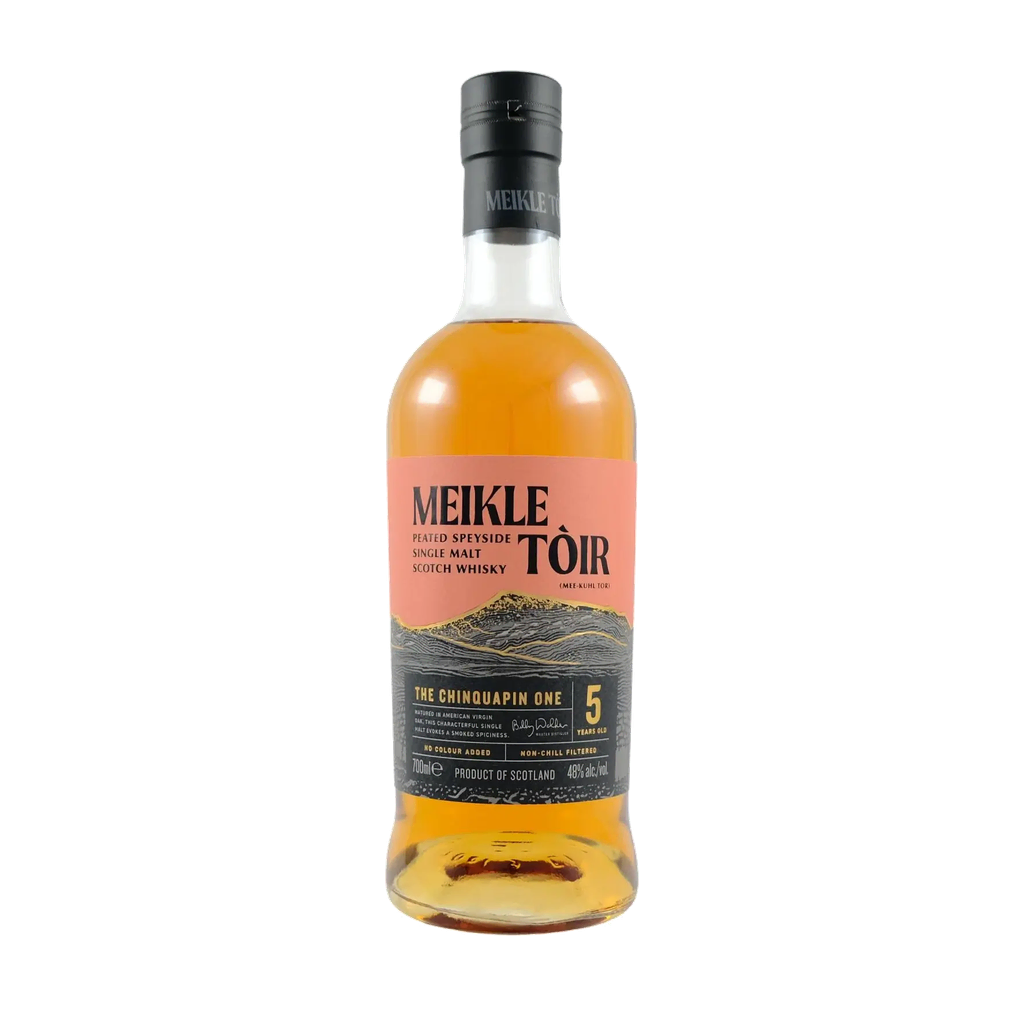
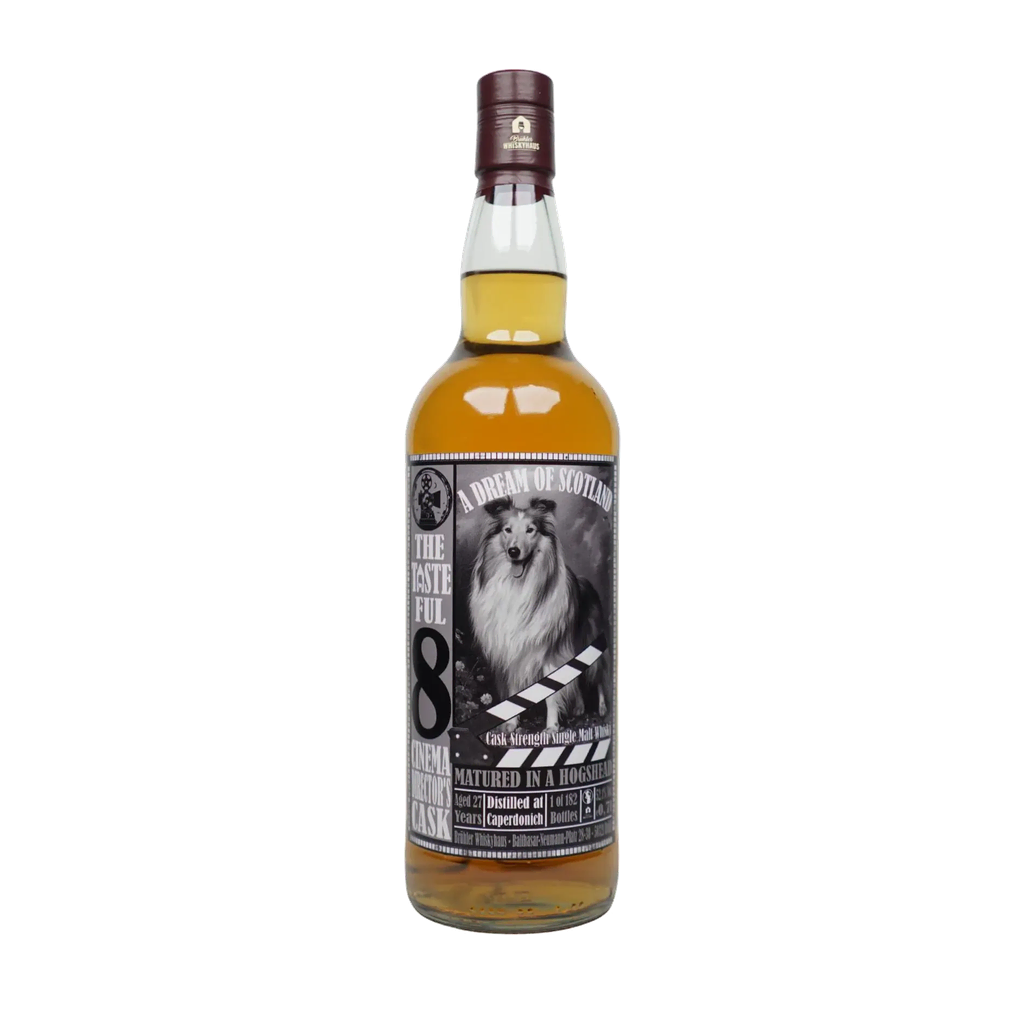
€60 vs. €400: 3-point advantage for the 5-year-old at almost one-seventh the price.
The Lagavulin paradox
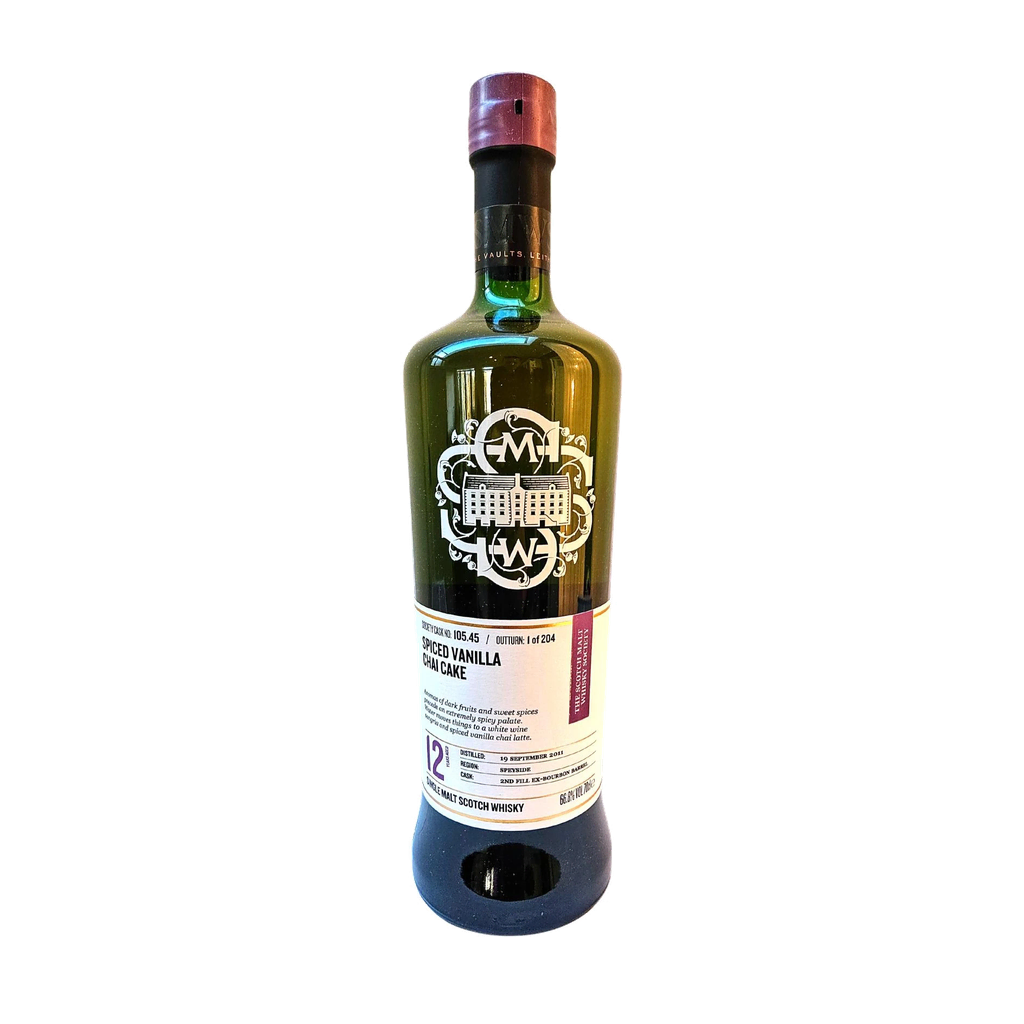
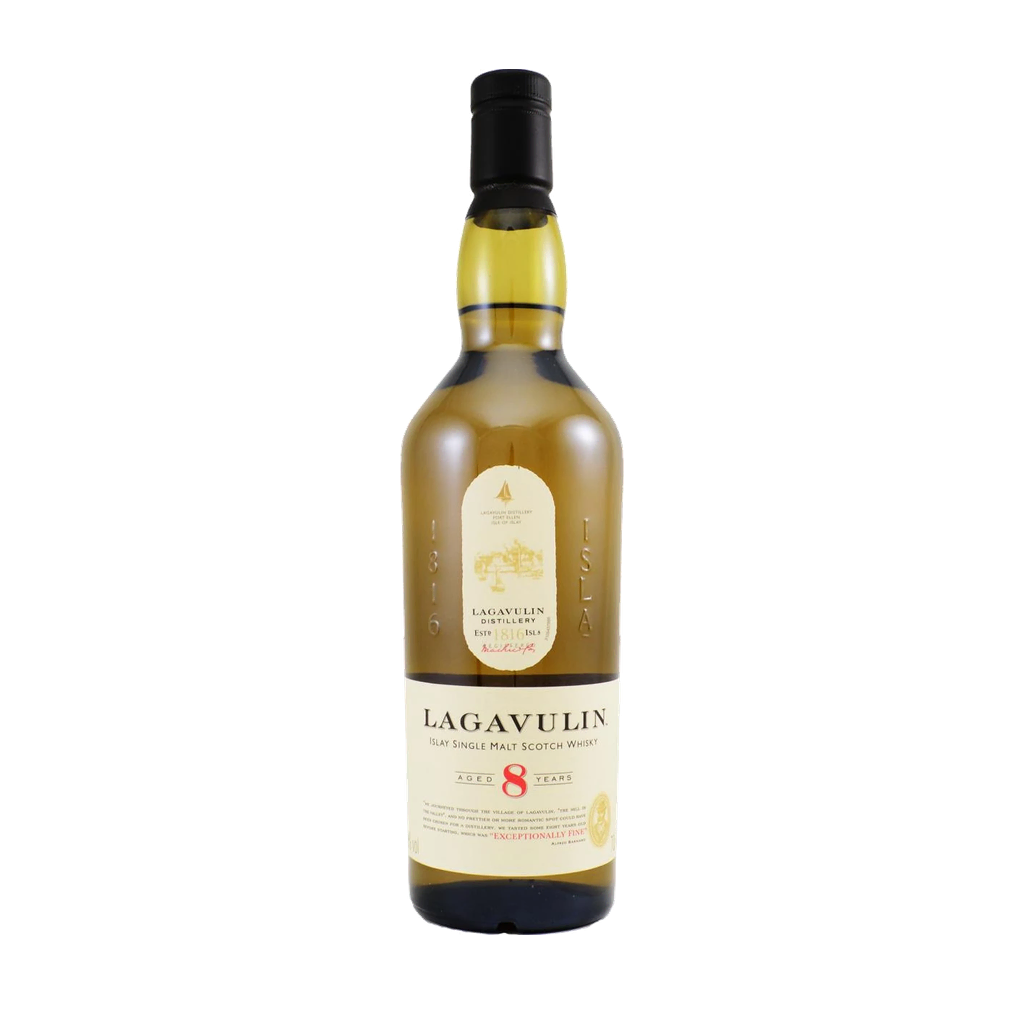
€80 vs. €45: 8-point difference for 8 more years of maturation - but almost double the price.
The other side of the coin: what really old whiskies can achieve
Before you think that all old whiskies are bad - that's not true. There are qualities that can only emerge through decades of maturation and that no young whisky will ever achieve.
What only age can do:
With enough time, whiskies can gain a silkier texture, deeper wood tones, and a kind of emotional depth that younger bottles rarely match. Some may also gain collector value, but in the glass the key question is still balance, not age alone.
A masterpiece:
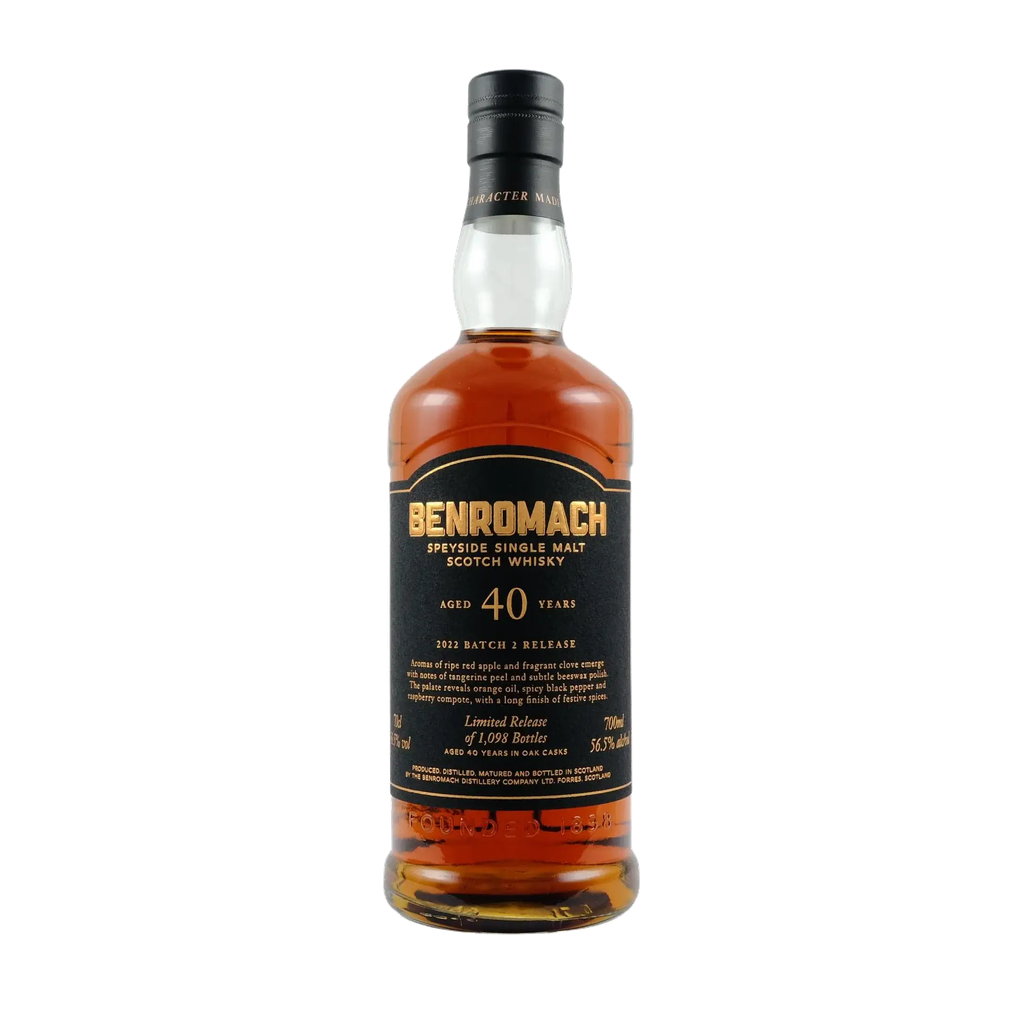
A whisky that has meaningfully used decades of maturation and developed complexity that is impossible in young whiskies. The problem is not age itself, but the illusion that age automatically guarantees quality.
The scientific explanation
Industry experts observe: After 15 years, the flavor quality of many whiskies declines. The chemical processes in the cask are complex and non-linear. Many flavors peak between 8-15 years, after which negative effects like bitterness and over-spicing often dominate.
Maturation times by style:
| Style | Typical maturation window | Why it often works |
|---|---|---|
| Islay | 8-15 years | Peat integrates well, but too much time can turn bitter |
| Lowland | 6-12 years | Light floral profiles usually benefit from shorter maturation |
| Highland | 12-18 years | Sweet distillery character tends to stay balanced here |
| Speyside | 10-16 years | Elegant profiles can collapse when oak dominates |
Cask types and maturation:
| Cask type | Typical window | Short rationale |
|---|---|---|
| Bourbon cask | 8-12 years | Vanilla and caramel build early; extended aging can turn oak-heavy. |
| Sherry cask | 12-15 years | Dried fruit and spice benefit from time but can become tannic when over-aged. |
| Port/Madeira cask | 6-10 years | Sweet wine notes integrate quickly and can dominate when left too long. |
The price-performance reality
Price vs. points
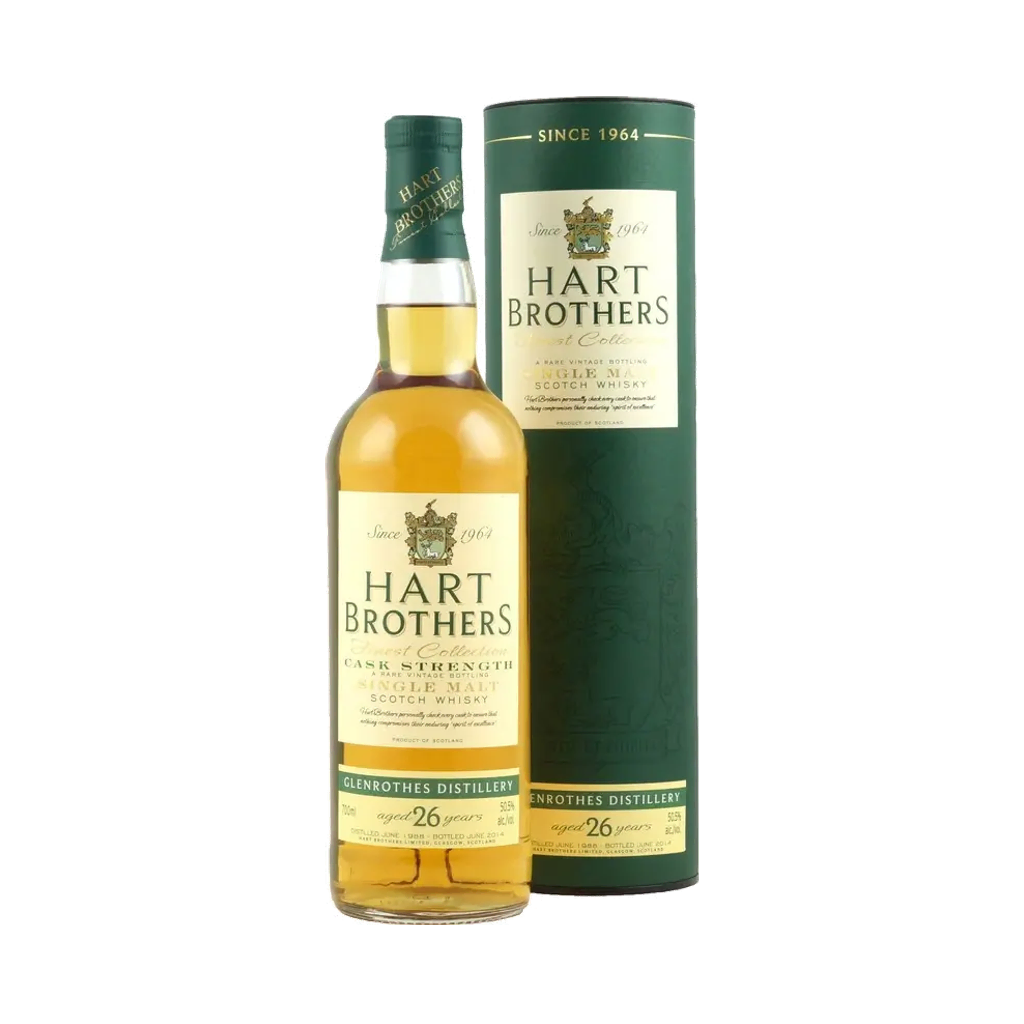
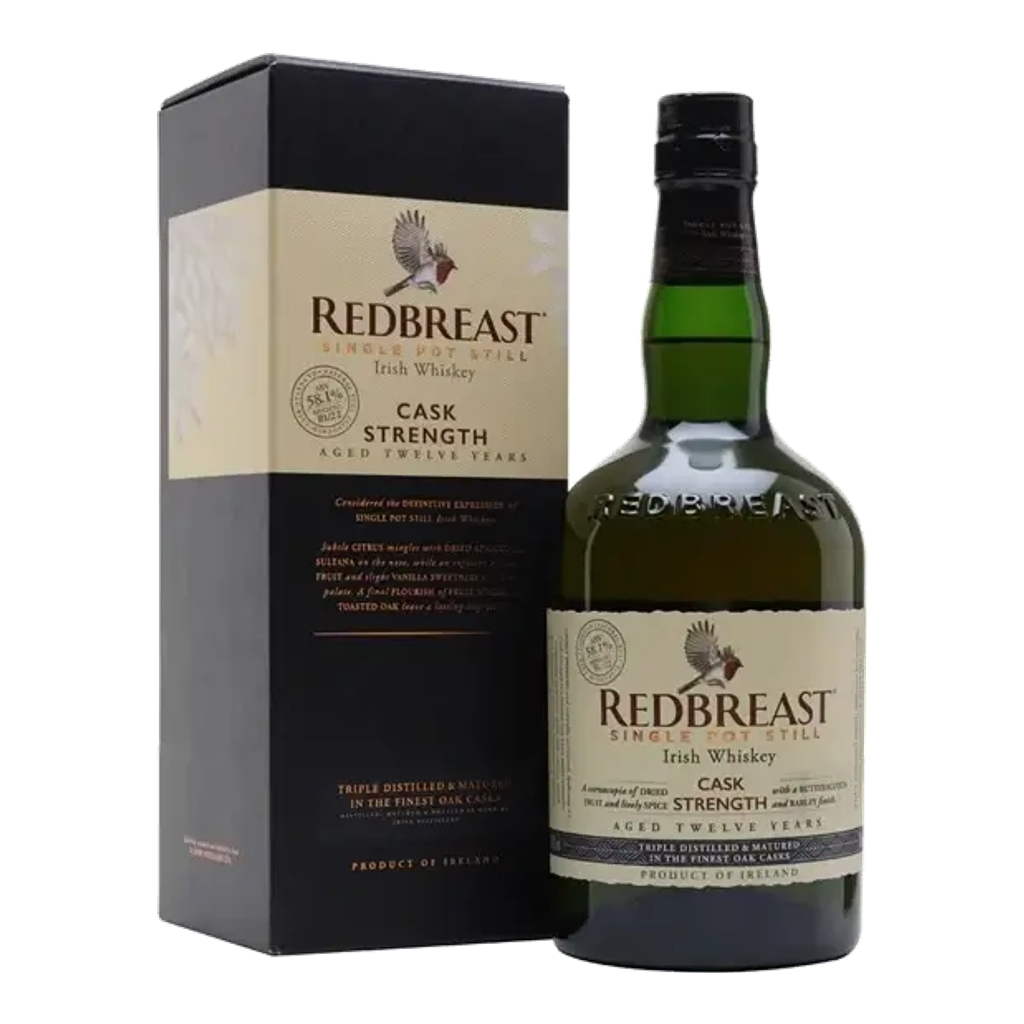
If you use a simple price-per-point view, younger whiskies often deliver better value. In this case it is about €2 vs. €0.75 per point.
Why does this happen? Insider knowledge
1. The "prestige cask lie"
Distilleries often use their best casks for 12-15 year bottlings - those sell best. Second-rate casks are often left for expensive older releases.
2. Marketing over taste
Age sells, taste doesn't. That's why mediocre old whiskies are marketed at premium prices, while excellent young whiskies remain undervalued.
3. The evaporation trap
The older, the fewer bottles. Scarcity drives prices up - regardless of quality.
Practical tips: how to avoid the age trap
1. Blind tasting
Test whiskies without seeing the age statement. You'll be surprised how often you prefer the younger one.
2. Price-performance check
Rule of thumb: if a whisky costs more than €8 per year (e.g. an 18-year-old for over €144), it's probably overpriced.
3. The sweet spot rule
8-15 years: you'll often find the best whiskies for your money. Outside this range, it gets risky.
4. Prefer independent bottlings
Independent bottlers often select casks by taste, not marketing potential.
The bottom line
The age myth costs you money and enjoyment. While you spend €400 on an overrated 25-year-old, you miss ten excellent young whiskies for the same money.
The truth is: taste beats age. Always.
But the truth is also: certain qualities can only be achieved with long maturation.
Trust your palate more than marketing. Test blind. Buy by taste, not by age.
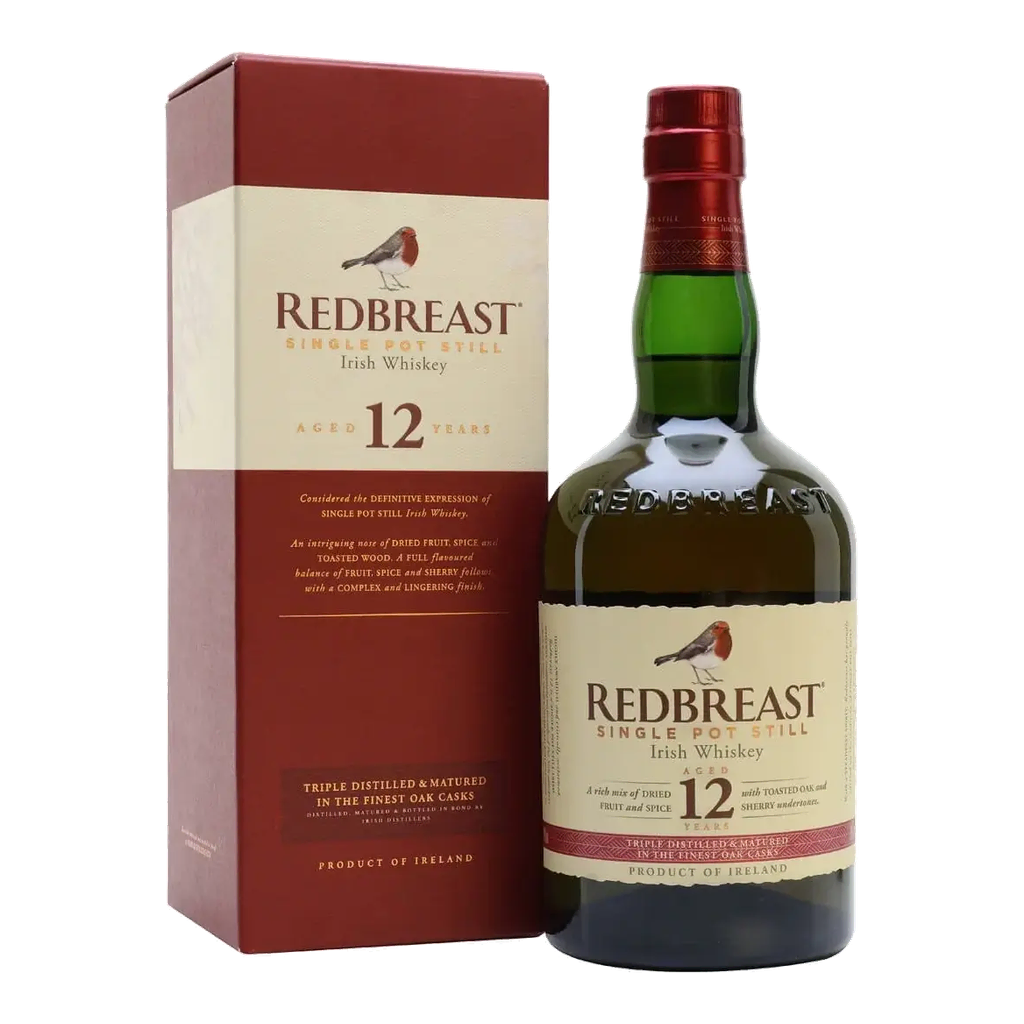
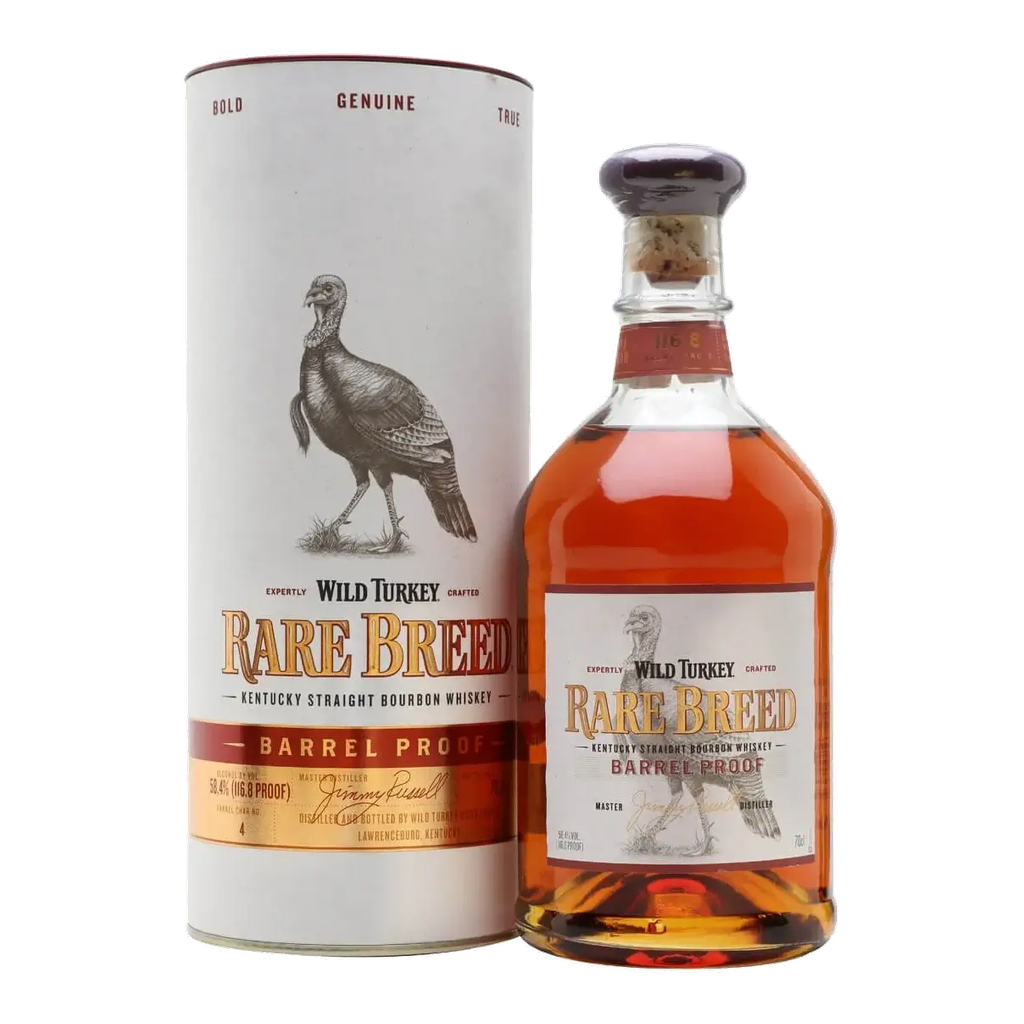
Our recommendations: young high-flyers


Frequently Asked Questions
Are no old whiskies good at all?
They are - but only very few. Of 100 old whiskies, maybe 5-10 are really exceptional. With young whiskies, the success rate is significantly higher.
Why are old whiskies so expensive then?
Marketing, rarity and status symbol character. Not because of taste.
What is the optimal age?
There isn't one. Every distillery, every cask is different. But statistically, the sweet spot is at 10-15 years.
Are vintage whiskies worth it as an investment?
Not for taste. As a collector's item maybe, but you pay for rarity, not quality.