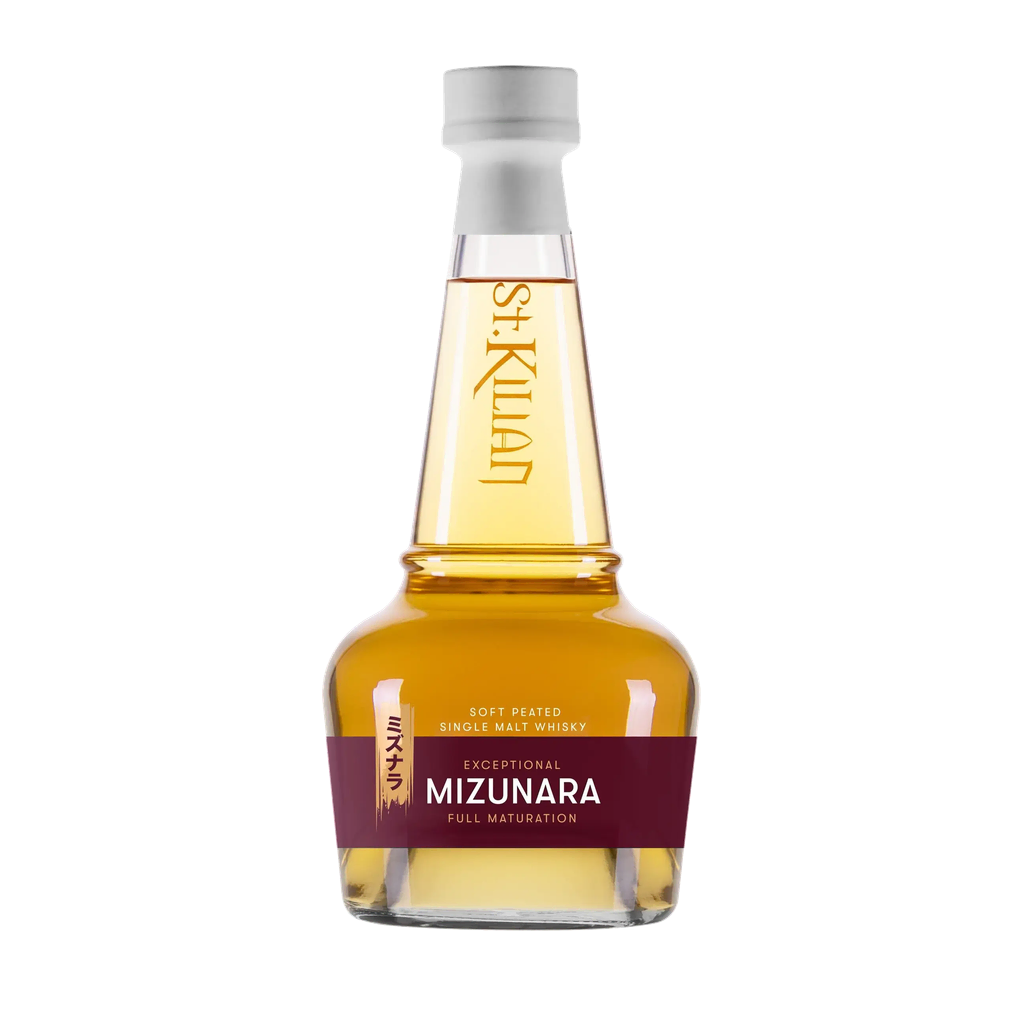
St. Kilian Exceptional Range Mizunara (2025) – Soft Peated
Following the previously released unpeated and peated Mizunara full maturations, this bottling is the last from a single virgin Mizunara cask for the time being. To be honest, we were sceptical: can a German distillate really harmonise with the legendary Japanese oak?
Tasting Notes
Nose
First things first: this whisky is in a league of its own when it comes to aroma. We both take a sniff of this light golden elixir and exchange meaningful glances. First, there is the wonderfully innocent, light fruity sweetness of apple and pear that we know and love from a classic Franconian single malt. But then it gets interesting: honeydew melon makes its presence felt. Not just any melon, but the perfectly ripe variety you find at the market in summer and want to buy a whole one of. The smoke? Yes, it's there, but it behaves like a well-mannered guest at a garden party. It weaves its way discreetly through the fruity notes without ever becoming intrusive. And then comes the moment that makes us both pause for a moment: a slightly cooling hint of eucalyptus, which gives the whole bouquet a refreshing, almost mentholated dimension. It's as if someone had planted a Japanese Zen garden in the middle of a Franconian orchard. Sounds crazy? It is. But it works fantastically well.
Palate
Now it's getting serious. The first sip at over 53 per cent demands respect, but rewards you with an absolute explosion of flavour. The melon is back, this time even creamier and more present. The mouthfeel is slightly tingly, almost sparkling, which gives the whole thing a lively texture. But then something happens that we wouldn't have expected from a German whisky: this ultra-funky spice kicks in. And here we have to get technical for a moment, because it's important: this spicy note is completely atypical for normal oak barrel maturation. That's the Mizunara thing. This Japanese oak brings aromas that cannot be squeezed into classic categories. It's spicy, but different. It's woody, but exotic. It's, well, just funky. Caramel joins in, followed by the familiar honeydew melon and pear, which run like a thread through the tasting. And then there's that incense vibe. Not the coarse, maritime peat smoke you know from the island, but that fine, aromatic smoke you'd rather associate with Asian temples. The smoke remains elegantly in the background, a constant companion that never takes centre stage.
Finish
The finish is extremely warming, and we don't mean that in a negative way. At 53.4 per cent, this pleasant warmth creeps through your chest and stays. And stays. And stays. Long-lasting is no exaggeration here. First, a slightly herbal note develops, then it becomes beautifully spicy and fruity again. The melon and pear wave goodbye. But the final act belongs to her alone: this funky oak. It lingers like a fingerprint, unmistakable and memorable. Even minutes later, you can still taste this characteristic spice, reminding you that you have just experienced something truly special.
Thoughts

Marcel 86/100 - (Excellent)
More of this, please! This funky Mizunara oak from Franconia sets new standards and delights with its sweet fruitiness and subtle smoke that never becomes intrusive. Anyone looking for a special dram that not only tastes great but also tells stories is absolutely in the right place here.

Sascha 86/100 - (Excellent)
The combination of a fruity single malt and the distinctive spice of Mizunara oak is a successful experiment with impressive structural complexity and a long-lasting finish. Despite the high alcohol strength, the whisky feels balanced, with the complex oak influence making all the difference.
Value for Money: 0/5 (No rating)
Discover our value for money winnersThis product was kindly provided to us by St. Kilian. This does not influence our rating. No payments or other benefits were received in exchange for this provision.
Related Reviews
-
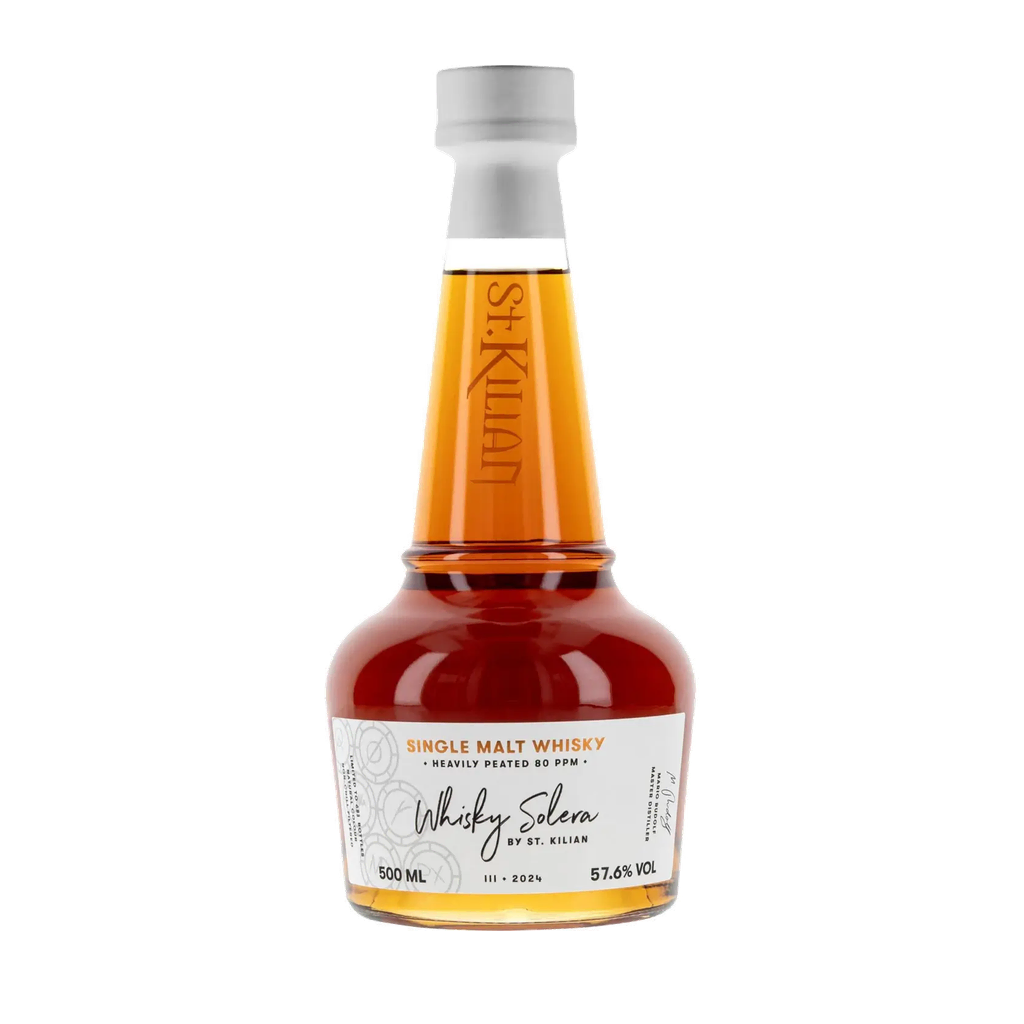
St. Kilian Whisky Solera – Peated – III (2024)
The third release from the St. Kilian Whisky Solera system, this time as the second smoky bottling, impressively demonstrates what is created when patience, cask expertise and vision come together.
-
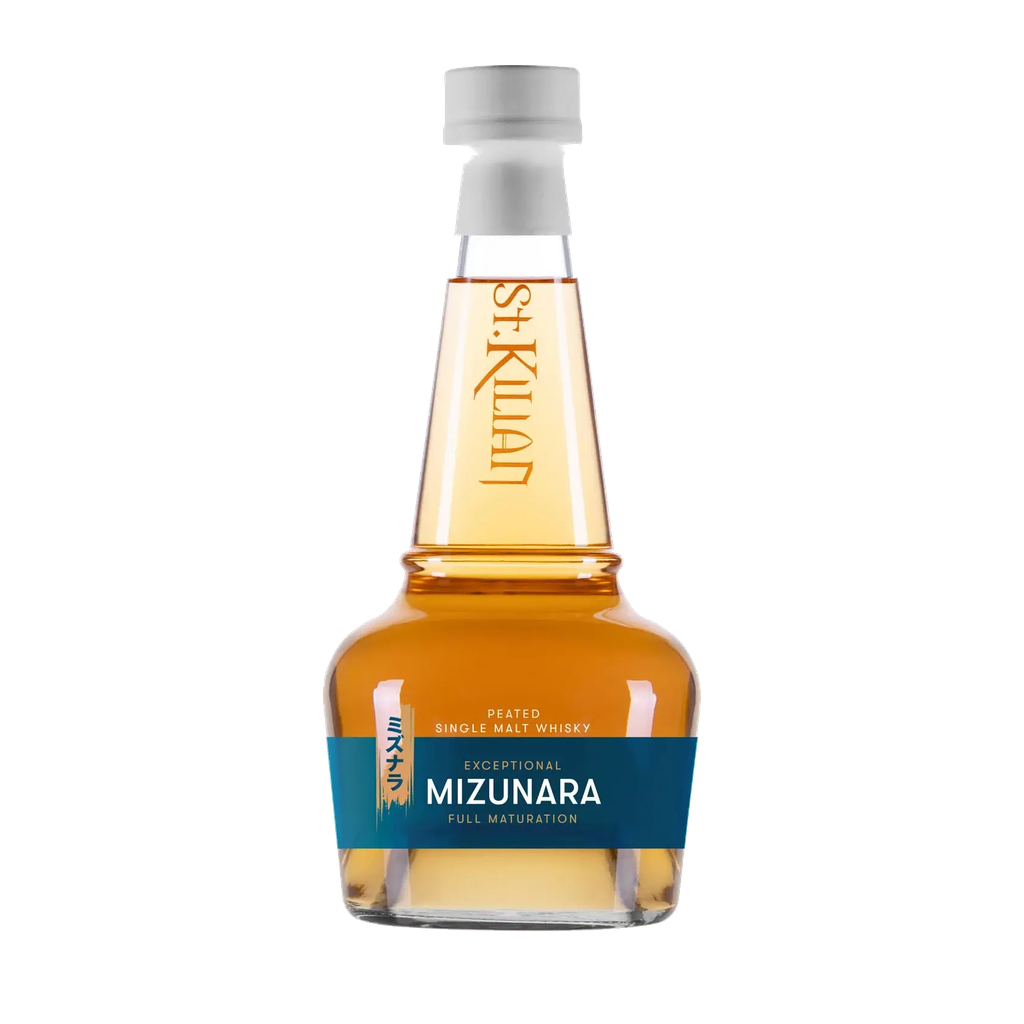
St. Kilian Exceptional Range Mizunara – Peated
Attention whisky nerds: If you think you've tasted everything - stop for a moment. The St. Kilian Exceptional Range Mizunara - Peated is not a standard bottling, but an aromatic border crosser that is anything but predictable. This limited single cask bottling from the renowned St. Kilian Distillery combines Japanese elegance with German innovative spirit.
-
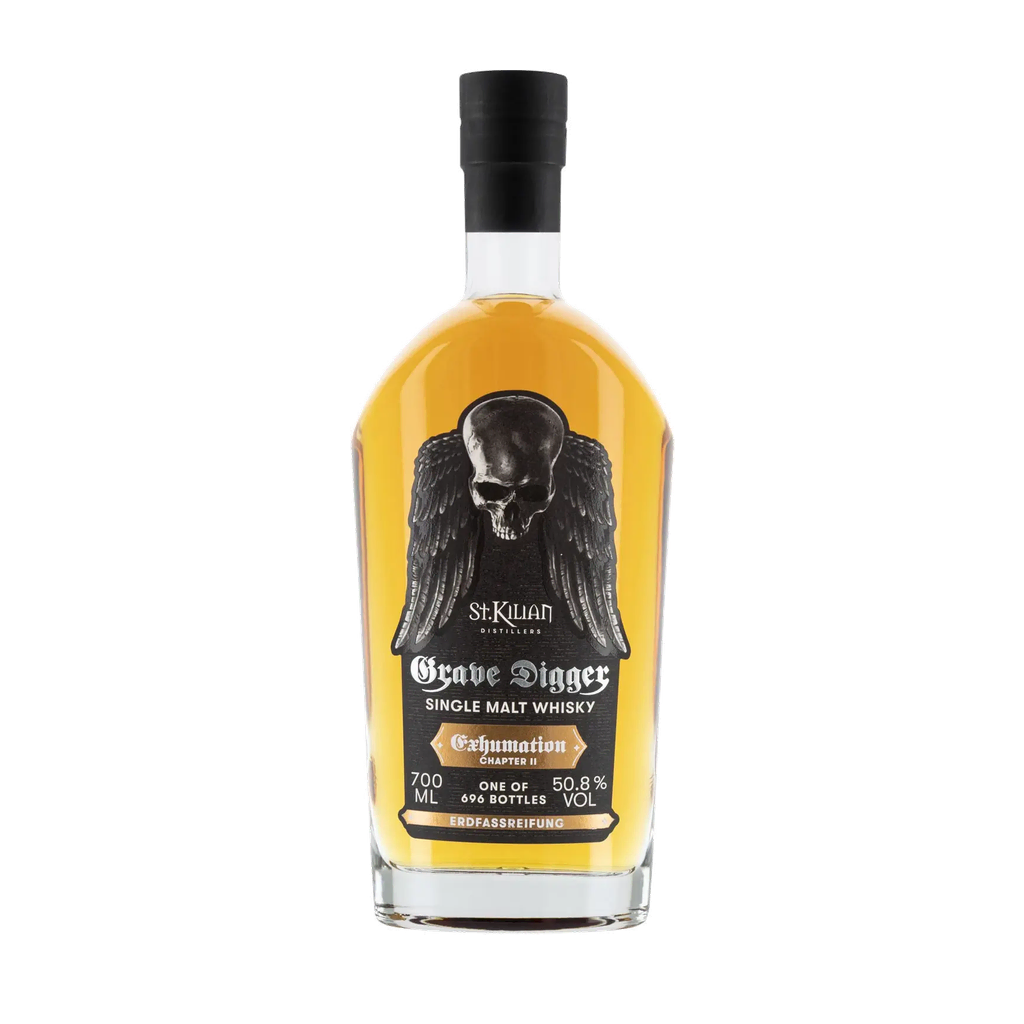
St. Kilian Grave Digger Erdfassreifung Exhumation – Chapter II – Peated
Exhumation – Chapter II by St. Kilian is a homage to the mystical side of metal. This four-years German single malt was initially aged in fresh Palatinate oak casks, followed by two more years in small 30-liter casks – including ex-rum, ex-bourbon, and fresh oak casks – underground in the Odenwald. The result is an intense whisky characterized by fruity, spicy, and earthy aromas, along with a hint of dark peat smoke.
-
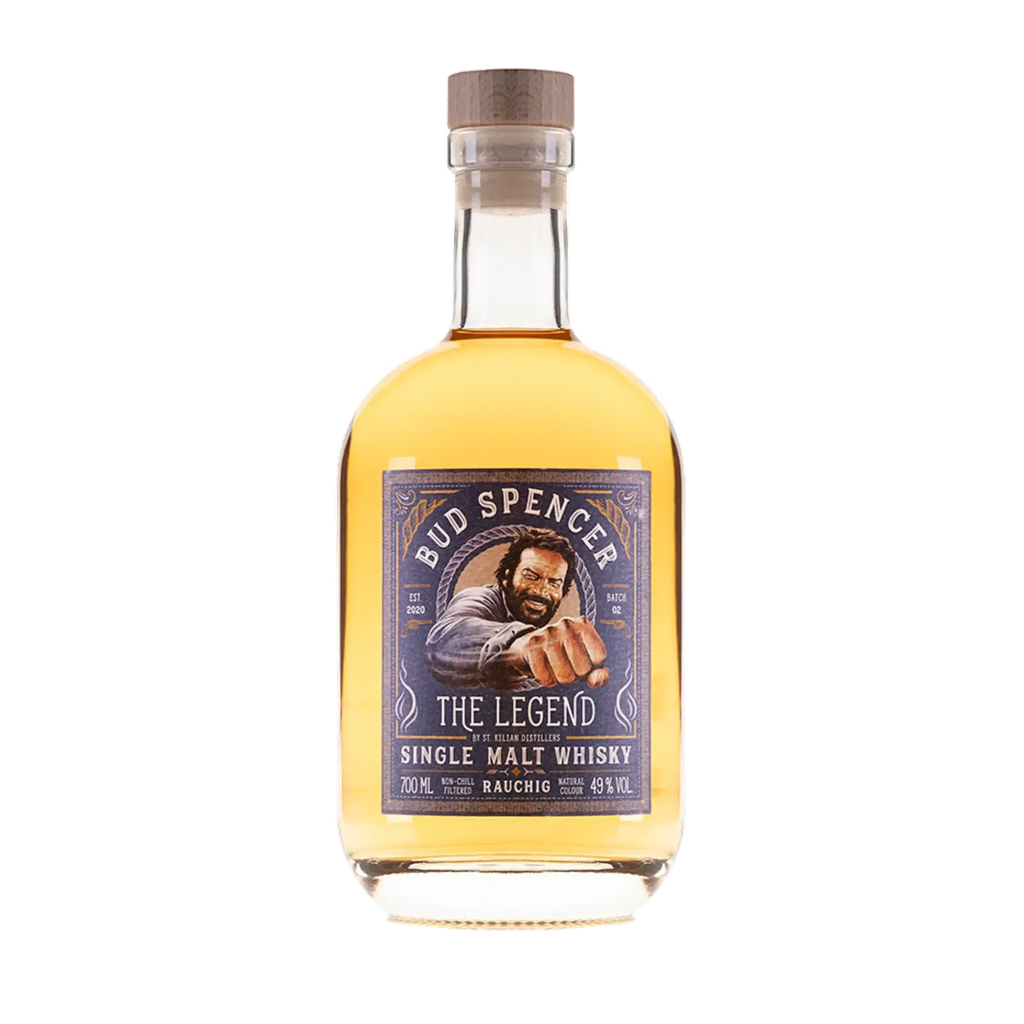
St. Kilian Bud Spencer - The Legend - Rauchig - Batch 03
Bud Spencer embodies unyielding justice and uncompromising boldness—traits that resonate in the smoky edition of "The Legend," a German single malt whisky crafted by St. Kilian Distillery. Aged in Italian Amarone red wine casks and ex-bourbon barrels, this whisky combines the robust character of Scottish malt (80 ppm smoke) with youthful freshness. Does it live up to Bud Spencer's legendary name?
Frequently Asked Questions
What makes the maturation in Mizunara oak so special for this whisky?
The Mizunara oak from Japan imparts unique aromas to the whisky that differ from those of traditional oak casks. It brings an unusual, spicy, and exotic note often described as 'funky,' along with a delicate, aromatic smokiness reminiscent of Asian temples. This character is very rare in German whiskies and makes the St. Kilian Exceptional Range Mizunara 2025 particularly distinctive.
How does the high alcohol content of 53.4% affect the taste and drinking experience?
The 53.4% alcohol content delivers an intense and lively tasting experience. It demands respect on the first sip but provides a tingling texture and enhances the flavors of honeydew melon, pear, and the characteristic Mizunara spice. At the same time, it creates a long-lasting, warming finish that impressively highlights the whisky’s complex notes.
How does the subtle smoke harmonize with the fruity and spicy notes of the whisky?
The smoke in the St. Kilian Exceptional Range Mizunara 2025 is very restrained and elegant—more delicate and aromatic than rough or maritime. It complements the fruity notes of apple, pear, and honeydew melon without being overpowering. Together with the exotic spice of the Mizunara oak, it creates a balanced bouquet reminiscent of a Zen garden in a Franconian orchard.