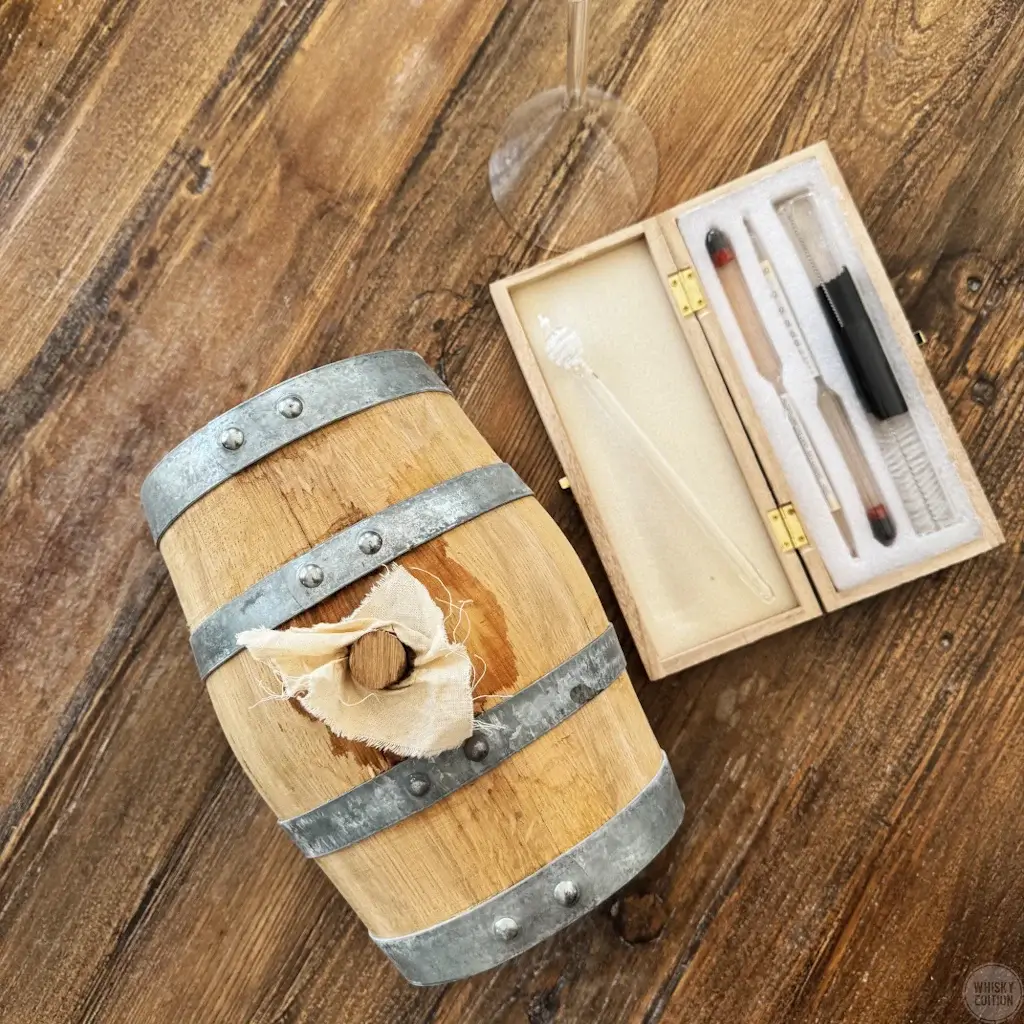
Aging whisky in your own cask at home: our honest experiment
Aging your own whisky cask at home sounds like a shortcut to your own single malt, but it is mainly an experiment. We seasoned a 3-litre cask with sherry, filled it with St. Kilian new make and bottled it honestly. This guide covers the costs, the process and why the result is always a mixed bag.
Aging your own whisky cask at home sounds like the ultimate shortcut to a personal single malt. We tried it ourselves: a 3-litre cask, seasoned with sherry for a year, then filled with new make from a German distillery. The honest truth up front: it is great fun and you learn a huge amount about wood and maturation. But the result is always a mixed bag. It is an experiment, not a shortcut to finished, good whisky.
That is exactly why this is a guide and not a success story. We walk you through what we did, what it cost, why a small cask speeds everything up and why our result legally cannot even be called “whisky”. If you still want to buy a cask afterwards: go for it. But with realistic expectations.
What we did
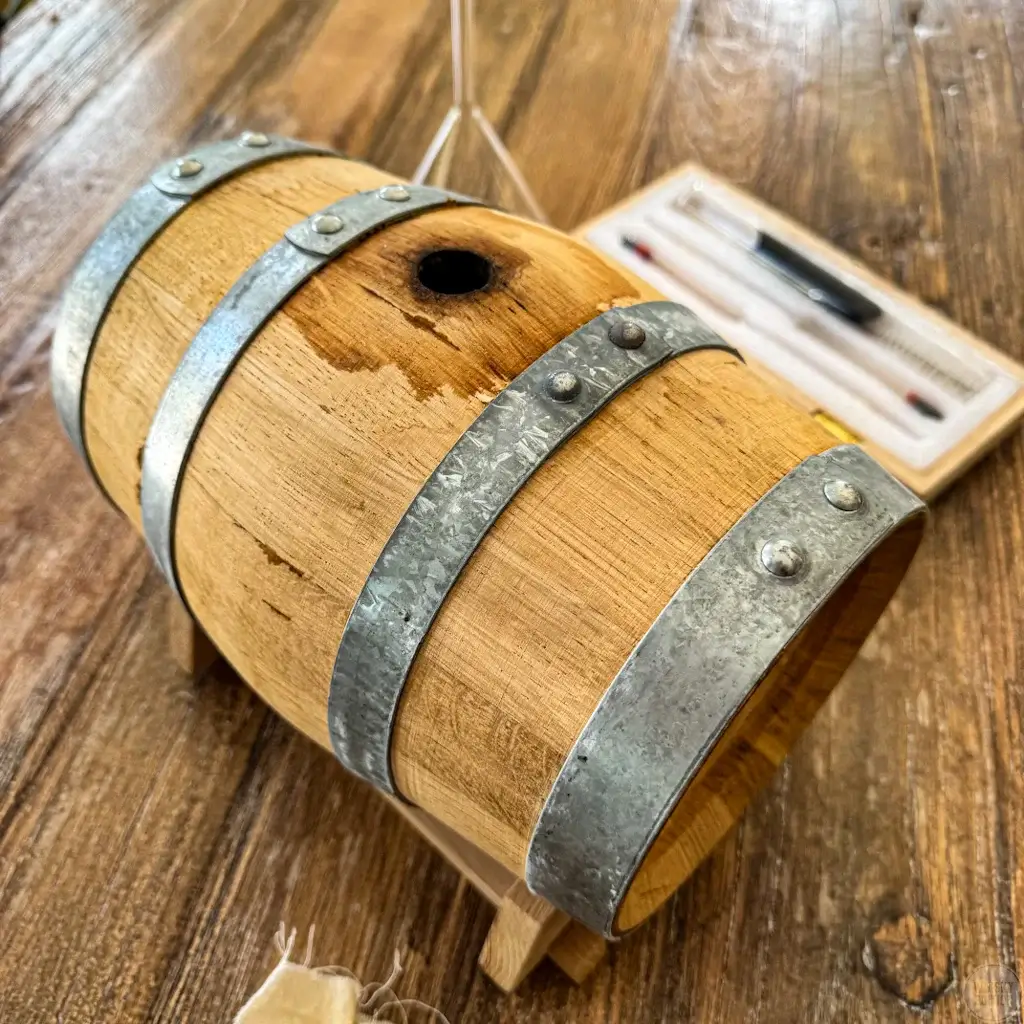
Our set came complete from Wilhelm Eder GmbH: a small 3-litre oak cask including accessories such as a hydrometer and funnel. So the spirit would not be flattened by raw, fresh wood, we first seasoned the cask for a full year with ordinary supermarket sherry. Only then did the actual fuel go in: new make from St. Kilian, a blend of 60% unpeated and 40% peated.
| Component | Detail | Cost |
|---|---|---|
| 3 L oak cask (complete set) | Wilhelm Eder GmbH, incl. accessories | approx. €100 |
| Sherry seasoning | Supermarket sherry, 1 year (04/2024 to 04/2025) | approx. €30 |
| New make (St. Kilian) | 60% unpeated / 40% peated, 64.5% ABV, 0.35 L bottle at €14 | approx. €120 (8–9 bottles for 3 L) |
| New make maturation | 1 Apr 2025 to 16 May 2026, about 13.5 months | evaporated |
| Result | approx. 2 L at approx. 46–48% ABV | approx. €250 total |
Why a small cask speeds everything up
The decisive factor is the ratio of wood surface to liquid. A classic 200-litre cask has relatively little contact area for its volume, so the whisky matures slowly and evenly over many years. A 3-litre cask, by contrast, has many times the wood contact per litre. The consequence: maturation runs dramatically faster. What takes years in a big cask happens here in months.
That sounds great at first, but it is the biggest trap. Fast also means fast too much: in no time the spirit pulls so much wood, tannin and roasted notes that it easily turns bitter and overly oaky (so-called over-oaking). That is exactly why we “tamed” the cask with a year of sherry first. It takes the most aggressive edges off the fresh wood and adds a little fruit and sweetness along the way.
Watch out: over-oaking
In a small cask, weeks matter, not years. Leave the spirit in too long and the aroma tips from “spicy and oaky” to “bitter as a pencil”. Other home experiments describe results somewhere between furniture polish and a cold bonfire. In the end our motto was simple: get it out before the wood overwhelms everything. Taste regularly and bottle a touch too early rather than too late.
Step by step: how our experiment went
- Soak the cask and make it tight: New wood has to swell first so the cask seals and the sharpest wood flavour is rinsed out.
- One year of sherry seasoning: Supermarket sherry in, left for a year (ours from 04/2024 to 04/2025). This conditions the wood and lays down a sherry base note.
- Fill with new make: Sherry out, new make in, for us the 60/40 blend of unpeated and peated at 64.5% ABV.
- Store cool and quiet: Heat drives evaporation and maturation even further. A cool spot slows the small cask down a little, which is important, because otherwise it runs even faster.
- Taste regularly: Draw a small sample every few weeks and taste it. This is not a “fill once and forget” project; the right moment is everything.
- Bottle in time: For us after about 13 months, because the wood was slowly becoming too dominant. Result: about 2 litres at 46–48% ABV.
- Keep using the cask, not just preserving it: An empty small cask would dry out and leak. So we refilled ours straight away with neutral alcohol from Brennerei an der Weser. The aim this time is a grain whisky, and we want to do it better: tasting regularly and catching the right moment to bottle, instead of letting the cask run blind.
Can this even be called whisky?
No. And this is important to understand: in the EU (and in Germany too) whisky must mature for at least three years in wooden casks to be called whisky. Our spirit spent around 13 months in the cask, which legally makes it not whisky, but a matured distillery product, an experiment in a glass. In 13 months a small cask can deliver plenty of colour and wood, but the time that truly makes a whisky round and deep cannot simply be cut short.
The result: honestly, a mixed bag
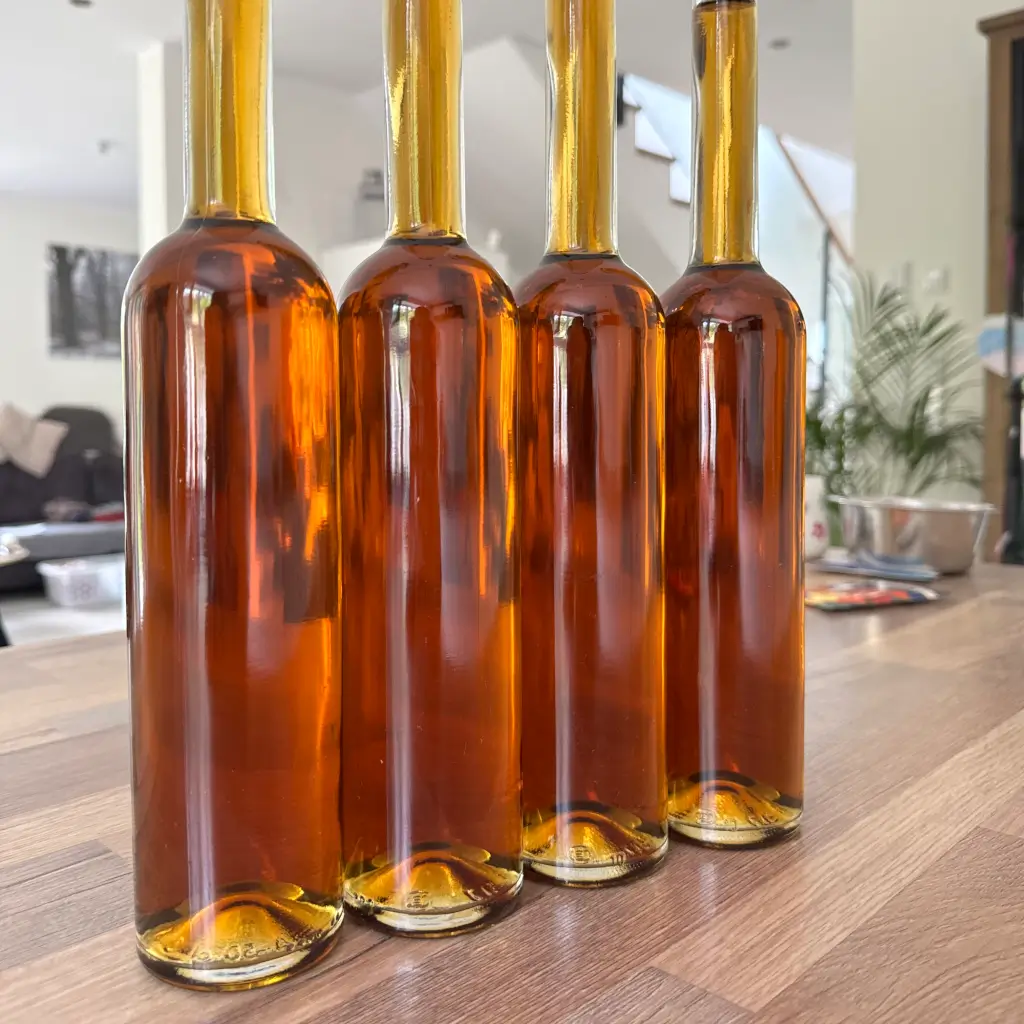
Visually it is a complete success: a rich amber that looks like “real” whisky. In the glass it gets more honest. The sherry seasoning brings some fruit and sweetness, the peated share adds a fine smoke note. But the young, edgy new-make sharpness stays noticeable, and all that wood pushes through clearly. It is drinkable and a great talking point, but it does not come close to a fully matured single malt from a big cask.
That is no criticism of us or the set, it is physically predetermined. With a 3-litre cask and 13 months you get exactly that: lots of wood, little time. Know that going in, and it is a lot of fun. Expect a finished favourite whisky, and you will be disappointed.
How the bottling went
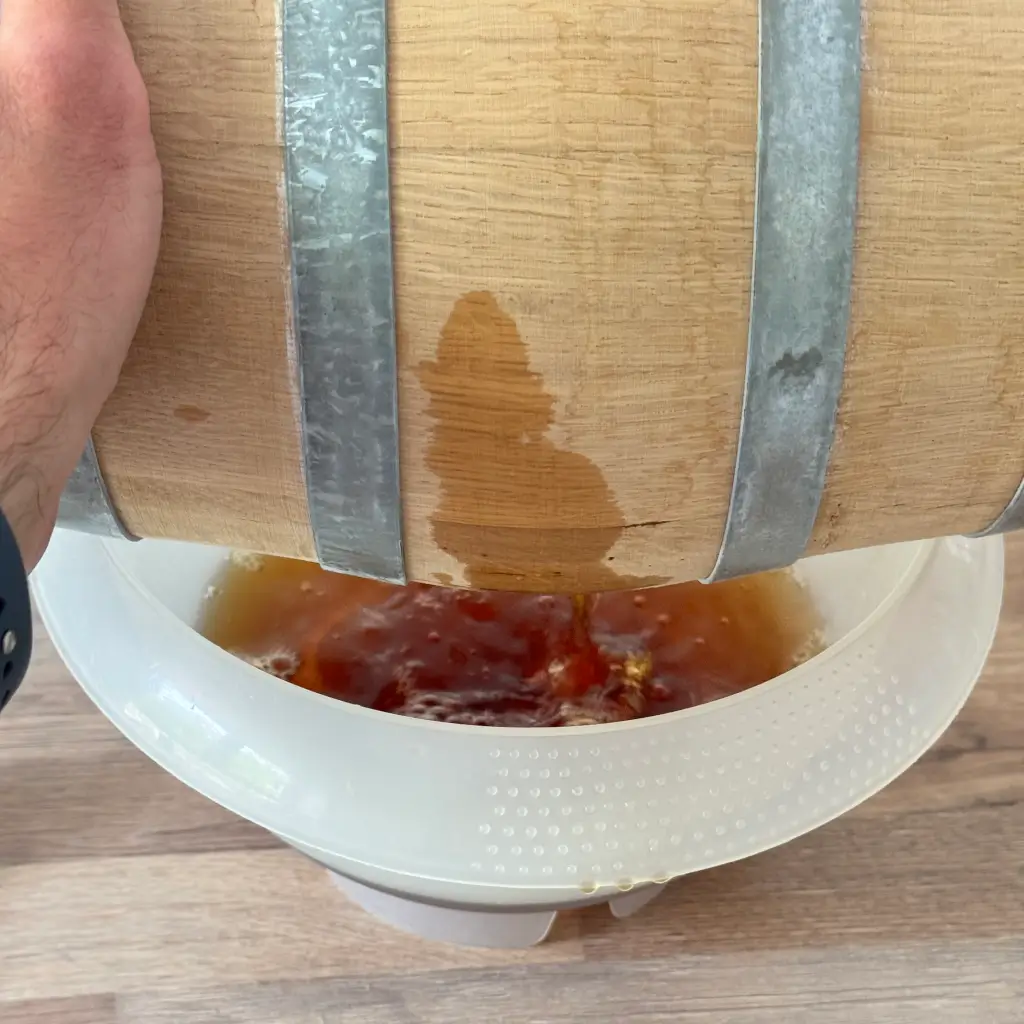
On 16 May 2026 it was over. We emptied the cask completely into a bowl, filtered it briefly and bottled it. Of the original 3 litres of new make, about 2 litres remained. The rest had evaporated as the “angels’ share” and vanished into the wood over the months. At 46–48% ABV the strength stayed pleasingly high; depending on the storage climate, a small cask can even push the figure up.
Is it worth it?
It depends what you expect. As a learning and fun project it is worth every euro: afterwards you understand maturation, wood influence and evaporation far better, and a self-bottled little flask makes a great gift. As a route to good, cheap whisky it is not worth it. Roughly €250 for 2 litres of a spirit that may not be called whisky is no bargain. Be honest about the maths and that money buys several genuinely good distillery bottles.
| Expectation | Reality |
|---|---|
| “In a year I’ll have my own single malt.” | It cannot even be called whisky (under 3 years). |
| “Small cask = quickly done = great.” | Quick also means: quickly too oaky and bitter. |
| “Tastes like a matured cask-strength bomber.” | Young new-make sharpness and wood dominate. |
| “Fill once, done.” | Constant tasting; the bottling moment decides everything. |
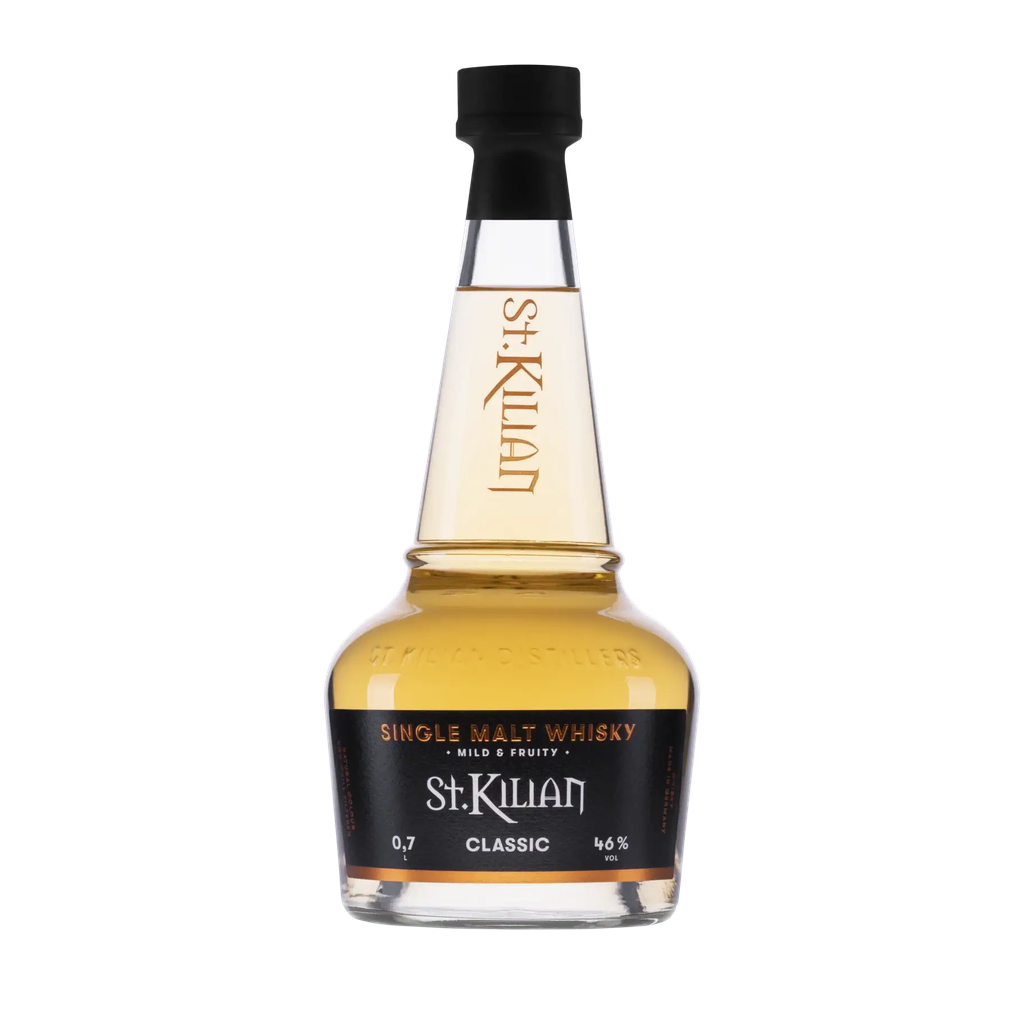
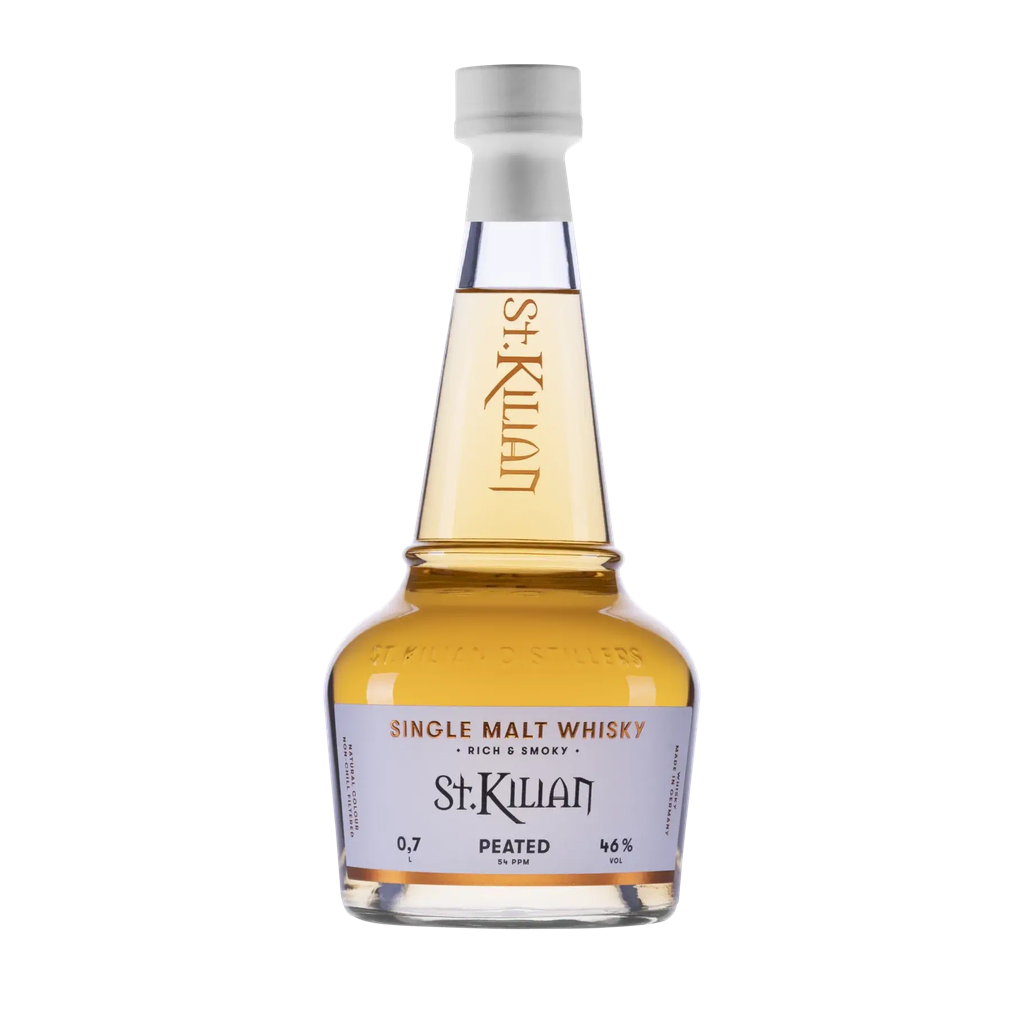
Prefer the finished original in your glass? The very new make we used is also available from St. Kilian as a fully matured bottling: St. Kilian Mild & Fruity for the unpeated character and St. Kilian Rich & Smoky for the smoky side. That way you can taste what time and a full-size cask do to the same fuel.
The finished original from St. Kilian
Common mistakes
- No seasoning: Fresh wood with no pre-fill flattens the young spirit with raw wood bitterness.
- Stored too warm: Heat accelerates maturation and evaporation, already too fast in a small cask.
- Left in too long: The classic mistake. “Spicy” turns into “bitter and oaky”. Bottle too early rather than too late.
- Not tasting regularly: Without interim samples you miss the optimal moment entirely.
- Letting the cask dry out after emptying: It will leak. Keep it moist with neutral alcohol.
- Unrealistic expectations: It is an experiment, not a shortcut to your own single malt.
Frequently Asked Questions
Can I call my home-matured spirit “whisky”?
No. In the EU and in Germany, whisky must mature for at least three years in wooden casks. If you mature a small cask for only months, you have a matured distillery product, but legally not whisky. For home use and gifting that does not matter, but you may not sell it as “whisky”.
How long should new make stay in a 3-litre cask?
There is no blanket answer; small casks mature very differently depending on the wood, the seasoning and the storage temperature. More important than a fixed period is regular tasting. For us, around 13 months was already at the limit because the wood increasingly dominated. Often a few months up to about a year is realistic.
Why does my result taste bitter or too oaky?
That is over-oaking: in a small cask the wood surface is huge relative to the liquid, so the spirit pulls too much tannin and roasted notes too fast. Remedies: condition the cask with sherry or wine first, store it cool, and above all bottle it early enough.
What do I do with the empty cask?
Never leave it standing dry, the wood shrinks and the cask leaks. The best option is to refill it straight away. We filled ours with neutral alcohol from Brennerei an der Weser, aiming for a grain whisky. This time we take the lesson from our first attempt to heart and taste regularly to catch the right bottling moment.
Roughly what does an experiment like this cost?
For us about €250 in total: around €100 for the complete set, roughly €30 for the seasoning sherry and a good €120 for the new make (8–9 bottles of 0.35 L to fill 3 litres). That yielded about 2 litres in the end. Fair as a learning project, not as a cheap whisky substitute.