Visiting Glenfiddich: The World's Best-Selling Single Malt
A visit to Glenfiddich in Dufftown, the world's best-selling single malt, distilled by the same family since 1886, with its own cooperage, its own coppersmiths and 43 handmade stills in the heart of Speyside.
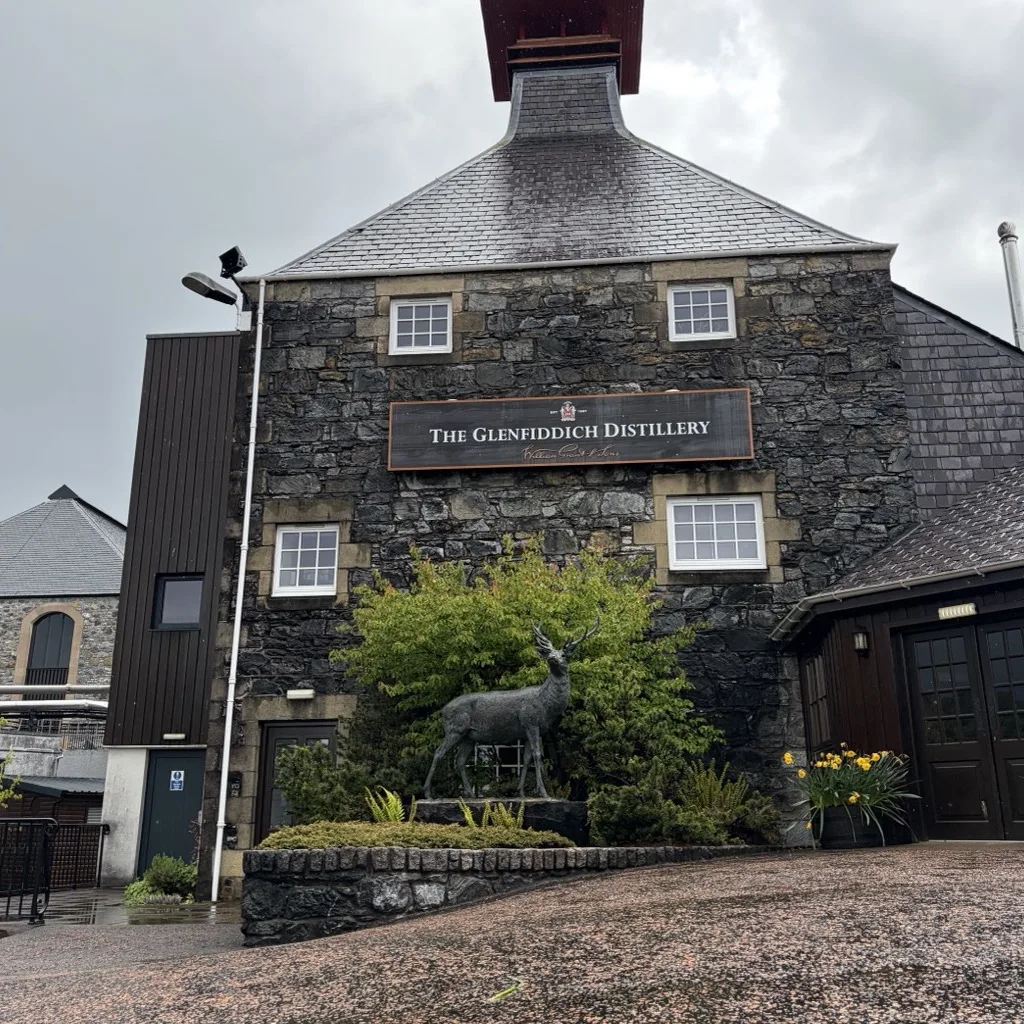
Few names stand for single malt quite like Glenfiddich. In the heart of Speyside, in the town of Dufftown, the Grant family has been distilling the whisky that put single malt on the global map since 1886. The stag from the logo is everywhere, even before you reach the dark stone of the visitor centre, a bronze stag greets the guests. We paid a visit to what is arguably Scotland's most famous distillery.
In the valley of the deer
The name Glenfiddich comes from Scottish Gaelic: "Gleann Fhiodhaich" means "valley of the deer". Little wonder, then, that the stag became the distillery's emblem and appears on every bottle. The distillery sits in the glen of the River Fiddich, which has given it not only its name but, over the decades, also the soft water from the Robbie Dhu spring.
Glenfiddich was founded in 1886 by William Grant, who built the distillery with his own hands together with his seven children. On Christmas Day 1887, the first spirit flowed from the stills, a moment that remains part of the brand's founding legend to this day. What began as the bold family project of a former distillery bookkeeper became the most successful single malt in the world.
Family-owned for five generations
What sets Glenfiddich apart from many other large distilleries is its unbroken independence. While conglomerates bought up the Scottish whisky landscape all around it, Glenfiddich remained in the hands of William Grant & Sons, to this day, now in the family's fifth generation. This independence has given the distillery the courage to make decisions others didn't dare to.
The most important of these came in 1963: that was when Glenfiddich began actively exporting its single malt to the USA and other foreign markets, at a time when whisky was sold almost exclusively as a blend. In doing so, Glenfiddich created the single malt category as we know it today. The brand remains the world's best-selling single malt, sold in around 180 countries.
The still house: 43 copper stills
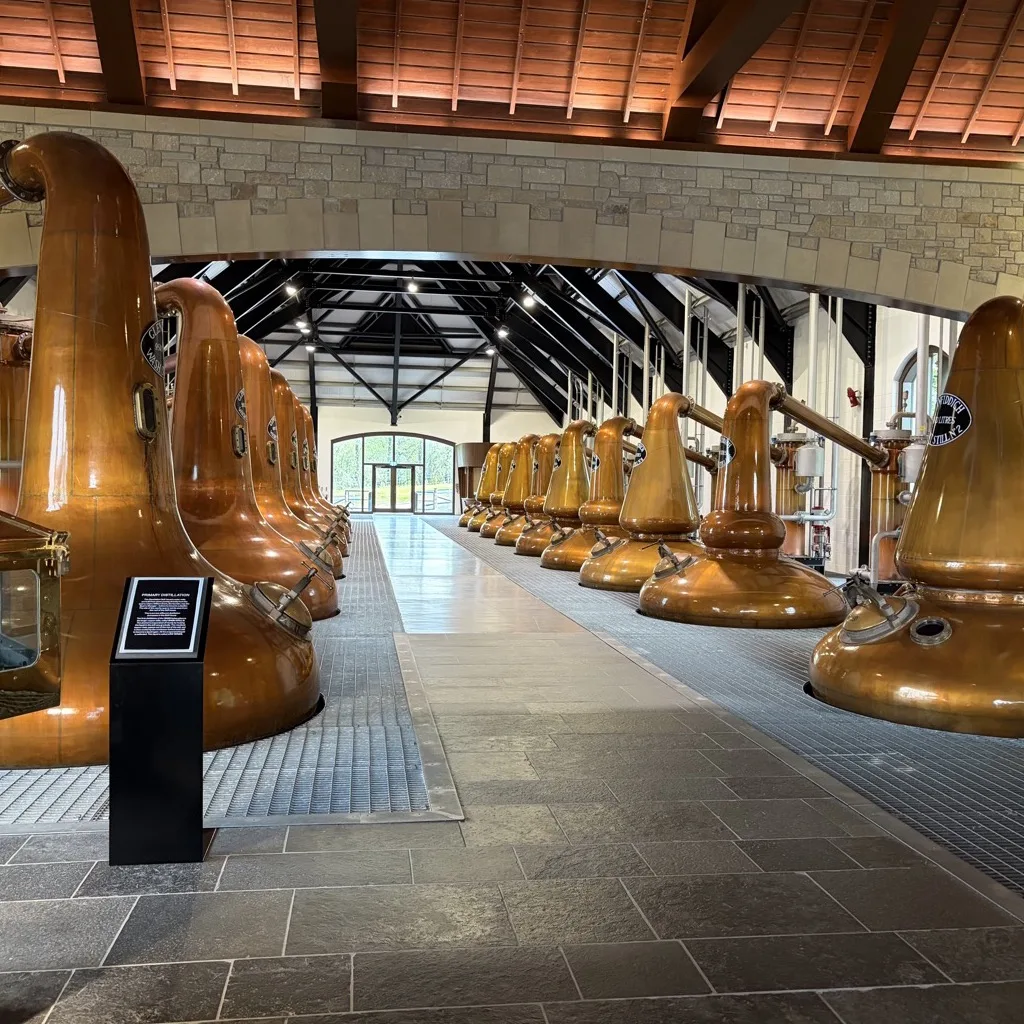
Stepping into the still house is the visual highlight of any tour. Beneath a wide timber roof, the copper stills line up in two long rows, with daylight falling through a large arched window at the far end of the hall. In total, Glenfiddich works with 43 comparatively small, handmade stills, a deliberate choice, since the shape and size of the stills decisively shape the fruity, delicate character of Glenfiddich.
Keeping the stills small even though Glenfiddich produces vast quantities is typical of the house philosophy: better many small stills with the desired character than a few large ones that would change the spirit. This is how the unmistakable Glenfiddich style, with its notes of pear, apple and fine oak, is preserved across every volume produced.
All under one roof: cooperage and coppersmiths
One feature that makes Glenfiddich almost unique today: the distillery maintains its own cooperage and its own coppersmiths right on site. As early as the 1950s, the Grant family built up this infrastructure, coppersmiths to maintain and repair the stills, plus a dedicated cooperage. Today, Glenfiddich is among the very few distilleries that still have their casks repaired on site by their own coopers.
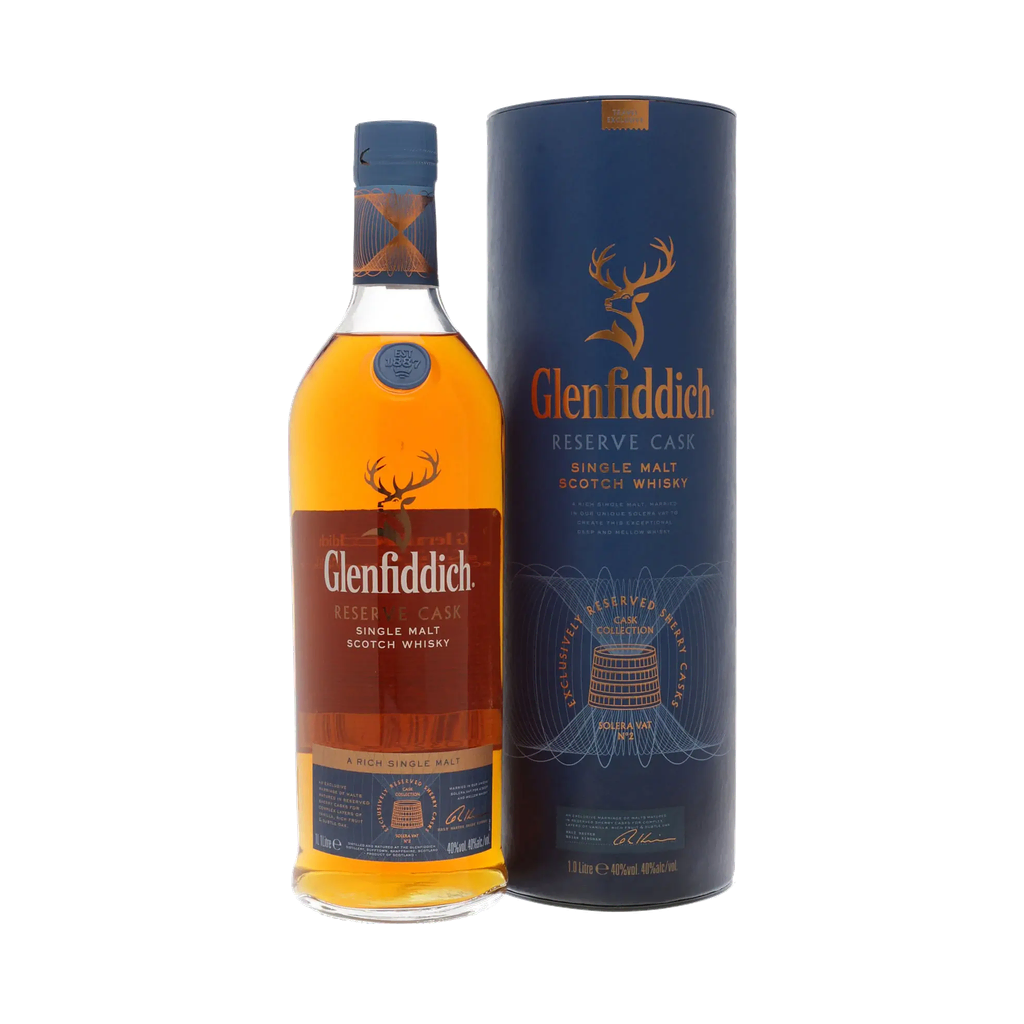
This independence carries right through to the glass: the famous Glenfiddich 15 Year Old uses the Solera process, in which a large Solera vat is never fully emptied, so that each new vintage builds on its predecessors. The result is a particularly consistent, full-bodied whisky, another example of the inventive spirit that has always driven Glenfiddich.
Visitor tips
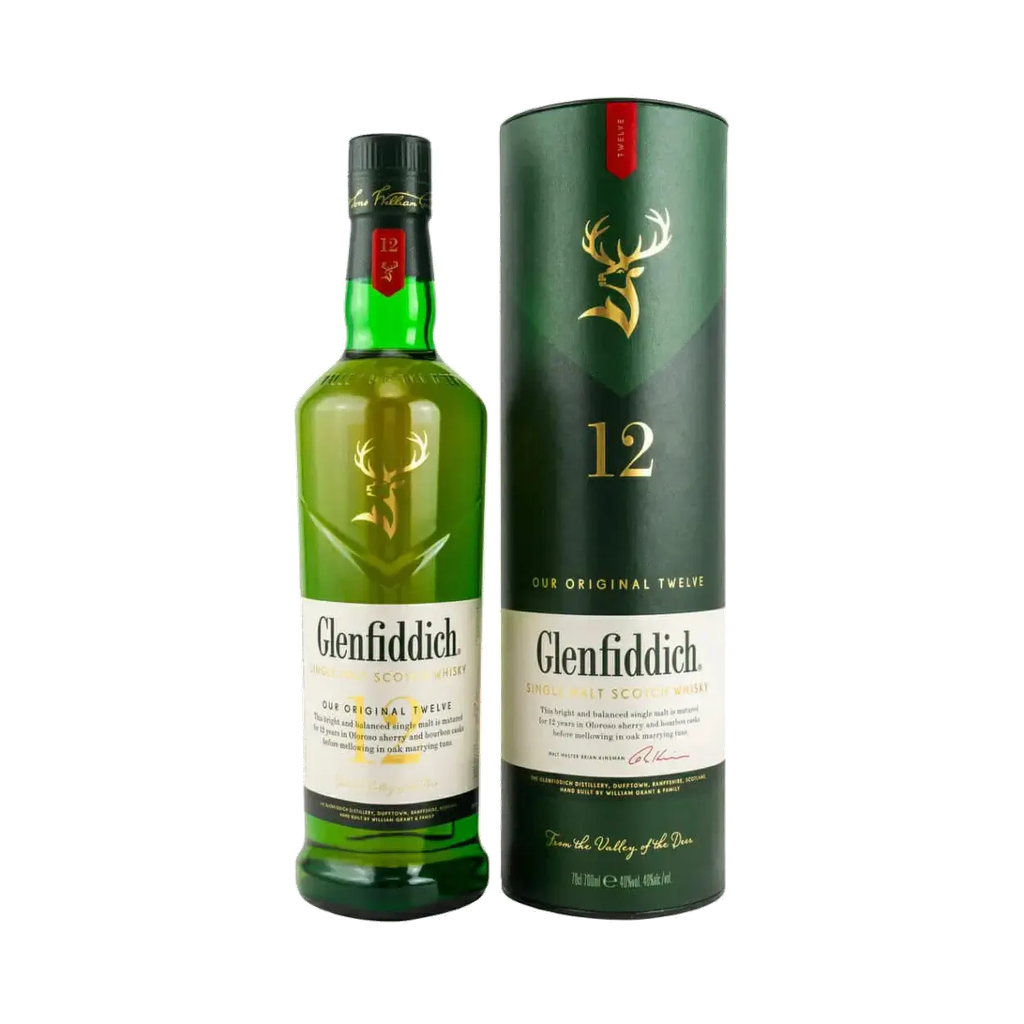
Glenfiddich sits at the northern edge of Dufftown, the unofficial whisky capital of Speyside, and is part of the Malt Whisky Trail. Anyone exploring Speyside should also pay a visit to the small craft distillery Benromach in Forres. The visitor centre offers a broad programme, from the classic guided tour to in-depth tasting and connoisseur experiences; access to the grounds and shop is free. Anyone travelling through the region should make a point of visiting, the still house alone is worth the trip. We've naturally had the house classic in the glass too: Glenfiddich 12 Years.
Slàinte mhath from Dufftown!
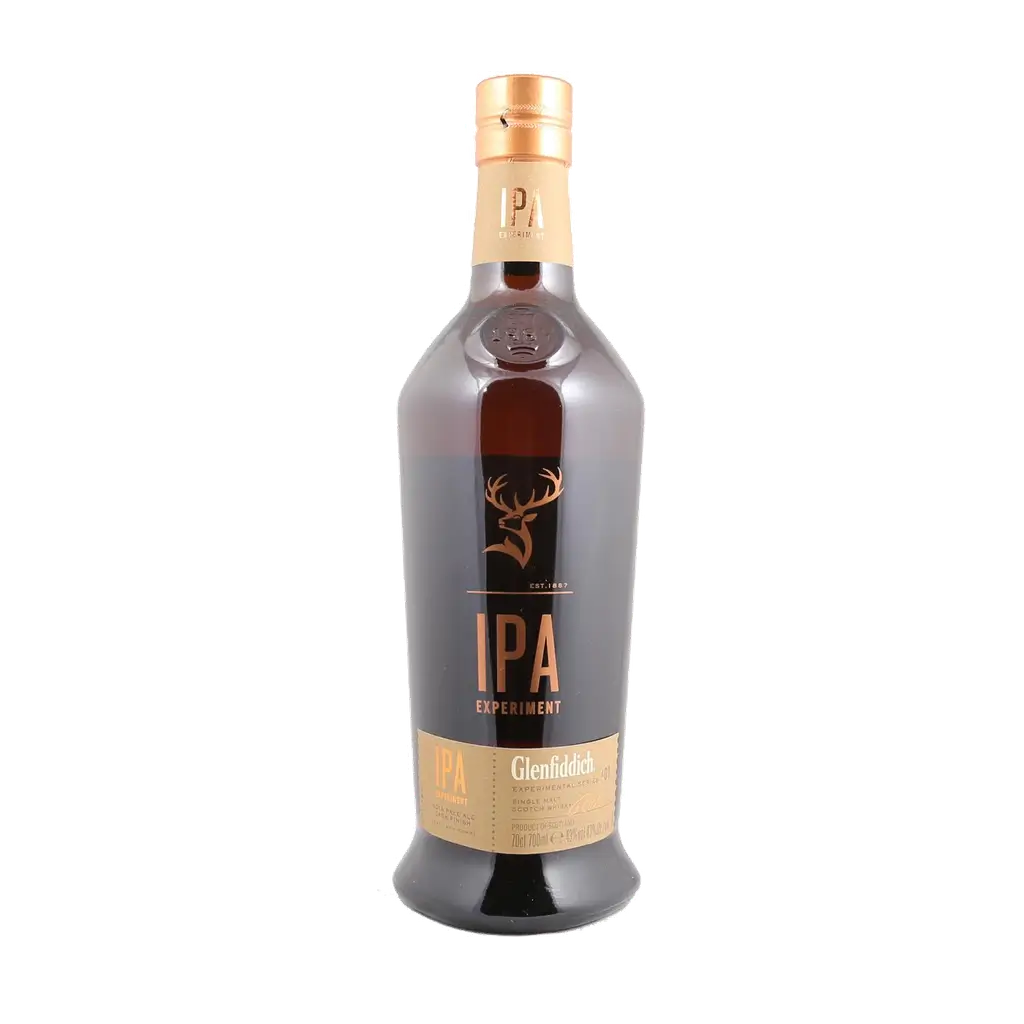
Want more from this distillery? You can find all the Glenfiddich whiskies we have reviewed gathered in our overview of all Glenfiddich bottlings.
Frequently Asked Questions
Where is the Glenfiddich distillery located?
Glenfiddich is located at the northern edge of Dufftown in Moray, in the heart of the Speyside region. The address is Glenfiddich Distillery, Dufftown, Keith AB55 4DH. The distillery is part of the Malt Whisky Trail.
What does the name Glenfiddich mean?
Glenfiddich comes from Scottish Gaelic ("Gleann Fhiodhaich") and means "valley of the deer". This is why the stag is the distillery's emblem and appears on every bottle. The distillery sits in the valley of the River Fiddich.
When was Glenfiddich founded?
Glenfiddich was founded in 1886 by William Grant together with his children. On Christmas Day 1887, the first spirit flowed from the stills. The distillery remains family-owned to this day, now in its fifth generation, through William Grant & Sons.
Why is Glenfiddich considered a single malt pioneer?
Glenfiddich began actively exporting its single malt to the USA and other markets in 1963, at a time when whisky was sold almost only as a blend. In doing so, the distillery created the modern single malt category. Today, Glenfiddich is the world's best-selling single malt.
Can you visit the Glenfiddich distillery?
Yes, Glenfiddich has a large visitor centre and offers various tours and tastings, from the classic tour to connoisseur experiences. Access to the grounds and shop is free. Booking tours in advance is recommended, particularly in high season.