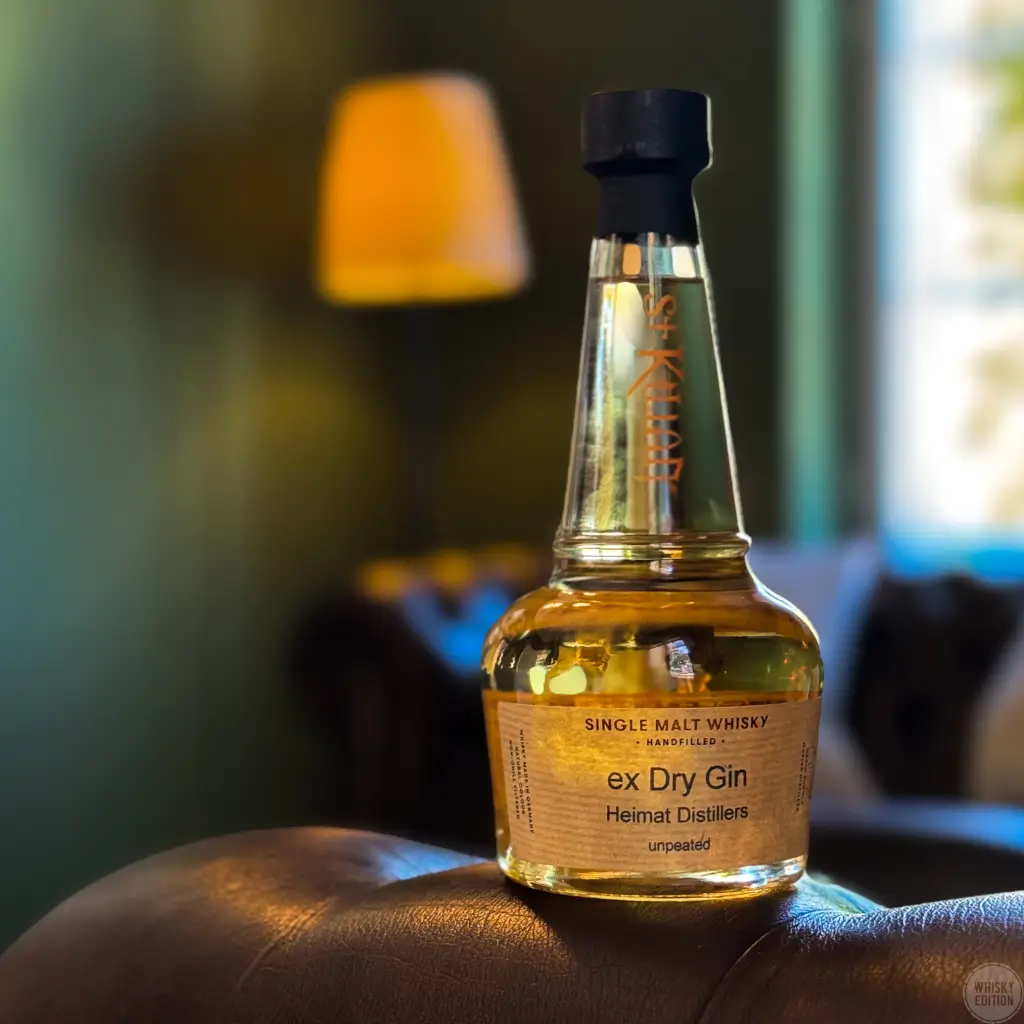
St. Kilian Handfilled (2025) ex Dry Gin Heimat Distillers
What am I, actually? You experience a similar existential crisis with St. Kilian Handfilled 2025 ex Dry Gin Heimat Distillers. This whisky, available exclusively as a hand-filled edition only at the distillery in Rüdenau, is the result of a daring experiment in which a Franconian single malt was matured in a former gin cask from the Swabian Heimat Distillers. What happens when whisky is transferred to a cask that previously contained Mediterranean botanicals, fresh apples and juniper? The answer is a wonderfully confusing identity crisis.
Tasting Notes
Nose
When you first bring the glass to your nose, something strange happens. Your reflex says "whisky", but your nose whispers "gin?!" The fruity juniper dominates so purely and unadulteratedly that you have to pause for a moment. Is there really whisky in the glass, or has someone accidentally poured in a bottle of Heimat Dry Gin? The oak hides bashfully in the background, as if apologising for its presence. Floral herbs dance across the olfactory stage like Mediterranean meadow grasses on a summer afternoon. Sage, thyme, perhaps a hint of lavender? Everything you would expect from a good gin is there, but what about the whisky? Well, it seems to be taking a break. On the second attempt, when you give your nose a second chance to sort itself out, a more grainy note comes through, almost like a genever, the Dutch predecessor of gin. But here too, the botanicals have long since taken command. The cask has not only brought its gin past with it, it has literally burned it into the distillate.
Palate
The confusion continues on the palate, but with a milder, rounder character than the nose suggests. The fruity sweetness opens the door, followed by... surprise! ... primarily juniper again. But this time mild and round, embedded in a creamy texture that is actually reminiscent of whisky. Vanilla shimmers through like a shy promise of the original cask ageing, while rose water adds an almost perfumed note. This combination is peculiar, but not unpleasant. It's as if a gin is flirting with a whisky, both too polite to let the other take the lead. The 59.70% ABV is surprisingly well integrated, not aggressive alcohol, but a warming presence that holds the whole thing together. The sweetness is definitely present, but it is constantly counterbalanced by the botanical character of the former gin cask. You expect typical whisky aromas such as caramel, toffee or chocolate to follow, but instead herbs and juniper come through again. It's like trying to listen to classical music, but someone keeps playing jazz in between.
Finish
Let's be honest, the finish is a little thin for a cask-strength whisky. One would wish for more length, more persistence. Instead, the dram fades relatively quickly, but not without one last statement: the juniper lingers, still, again and again. It is almost persistent, how this botanical character runs through all three phases. A slight dryness joins in, warming but without much complexity. The youth of the whisky is clearly noticeable here. It lacks the depth that a mature single malt would bring. The cask has completely transferred its gin character, but it has not given the whisky time to develop its own mature personality.
Thoughts

Marcel 80/100 - (Excellent)
This whisky is a genuine adventure for anyone seeking an unconventional experience. The dominant gin botanicals deliver an exciting explosion of flavors that break with whisky tradition but make it all the more fun. For purists, it might be a shock; for the adventurous, a real hit!

Sascha 79/100 - (Very good)
A fascinating experiment with a clear dominance of gin botanicals, though this comes at the expense of the classic whisky structure. The balance between cask character and distillate remains uneven, leaving the overall impression somewhat underdeveloped. Despite the high alcohol strength, it lacks depth and lasting persistence.
Value for Money: 0/5 (No rating)
Discover our value for money winnersRelated Reviews
-
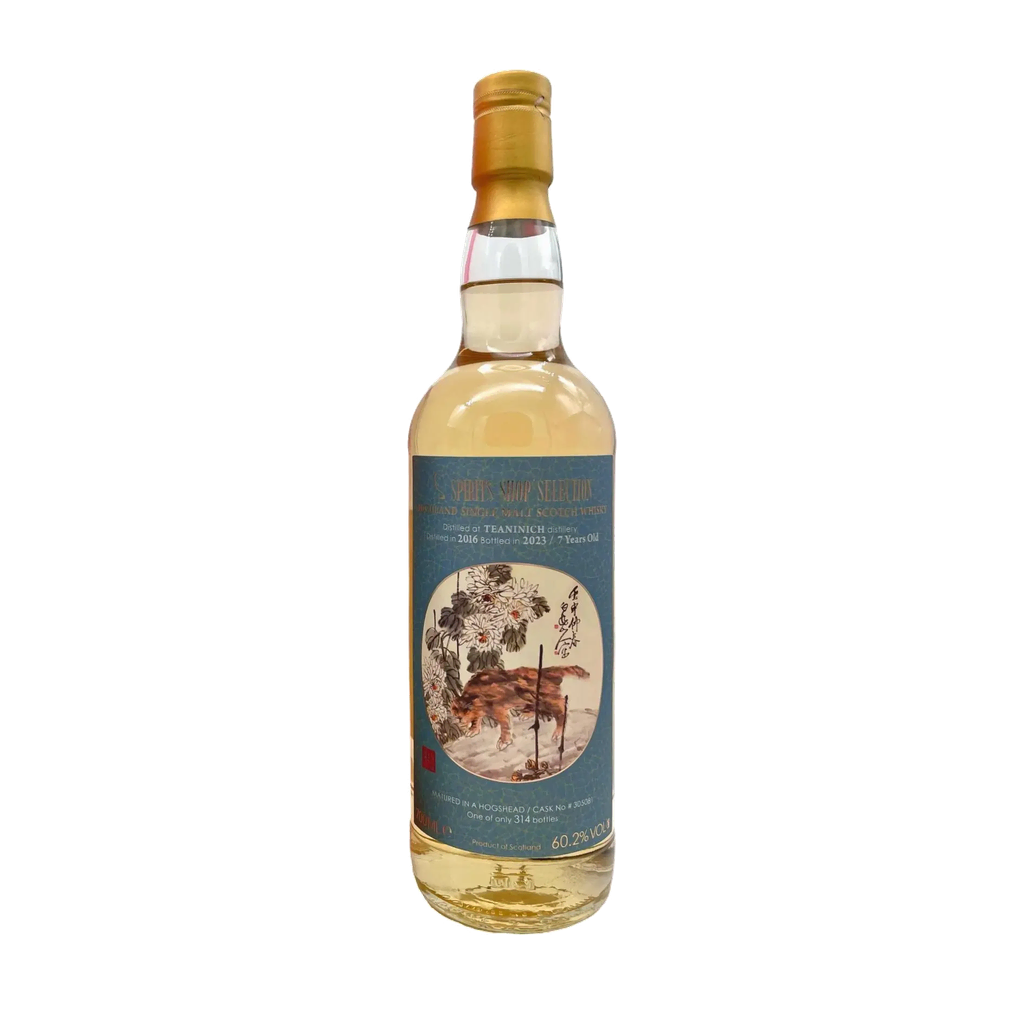
Teaninich (2016/2023) - Sansibar
Teaninich is one of those Scottish distilleries that rarely appear as an original bottling - making the releases from independent bottlers all the more exciting. Zanzibar has taken on Teaninich, which was distilled in 2016 and bottled in 2023, and bottled it at a whopping 60.2 % ABV.
-

M&H APEX White Wine
The whisky landscape of the 21st century is increasingly characterised by producers from outside the traditional whisky nations. Israel, a country that could hardly be more different from Scotland or Kentucky in terms of climate and culture, is establishing itself as a force to be reckoned with on the global whisky scene. At 61.2% vol., the M&H APEX White Wine from the Milk & Honey Distillery presents itself as a fascinating object of study for analysing how Mediterranean conditions and innovative cask maturation influence the sensory characteristics of whisky. The M&H Distillery in Tel Aviv operates under completely different climatic conditions than traditional whisky producers. The average temperatures of 20-30°C and the low humidity significantly accelerate the maturation process. This leads to a more intensive exchange between the distillate and the cask, which is reflected in the high viscosity and flavour complexity observed.
-
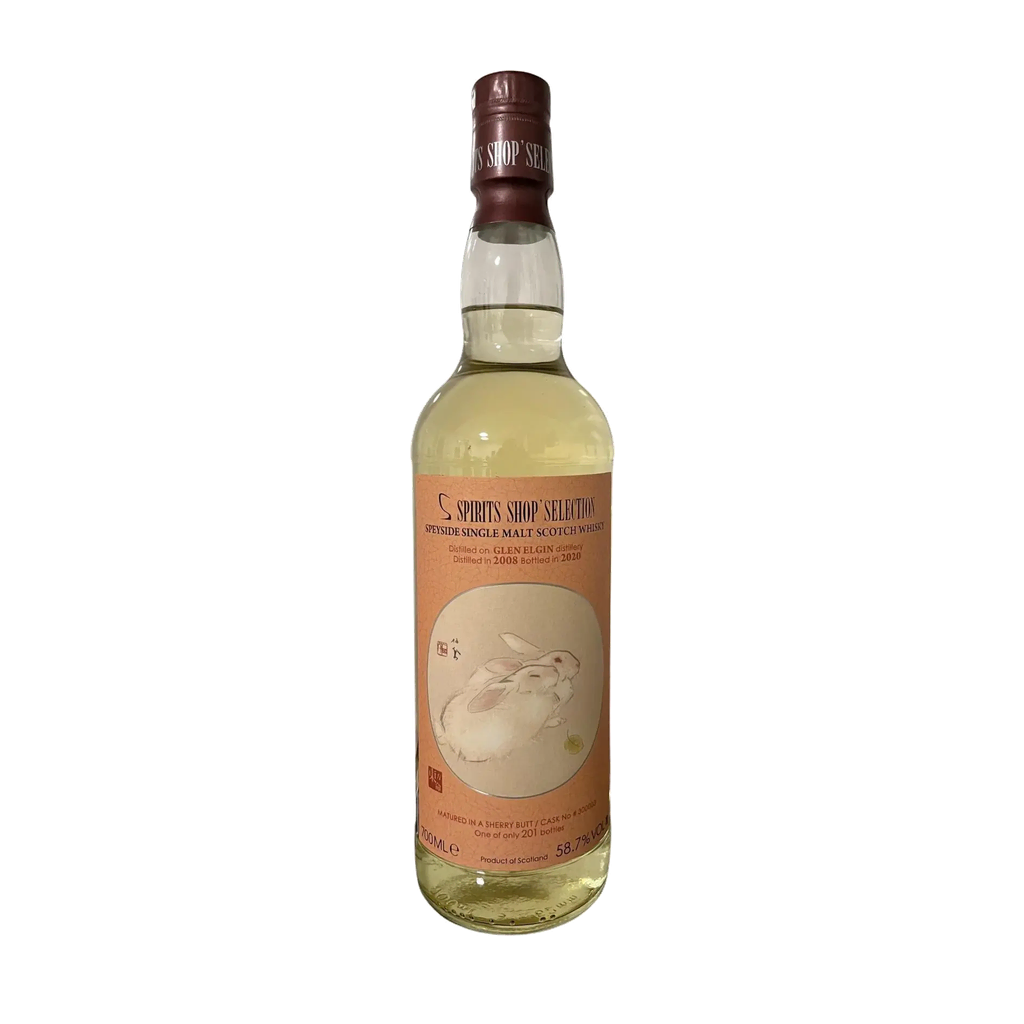
Glen Elgin (2008/2020) - Sansibar
Sometimes you come across a whisky that makes you wonder: ‘Why exactly was this bottled?’ The Glen Elgin 2008/2020 from Zanzibar is such a case. With a whopping 58.7% ABV, it comes across as a powerhouse - but unfortunately there is little substance behind the impressive figure.
-
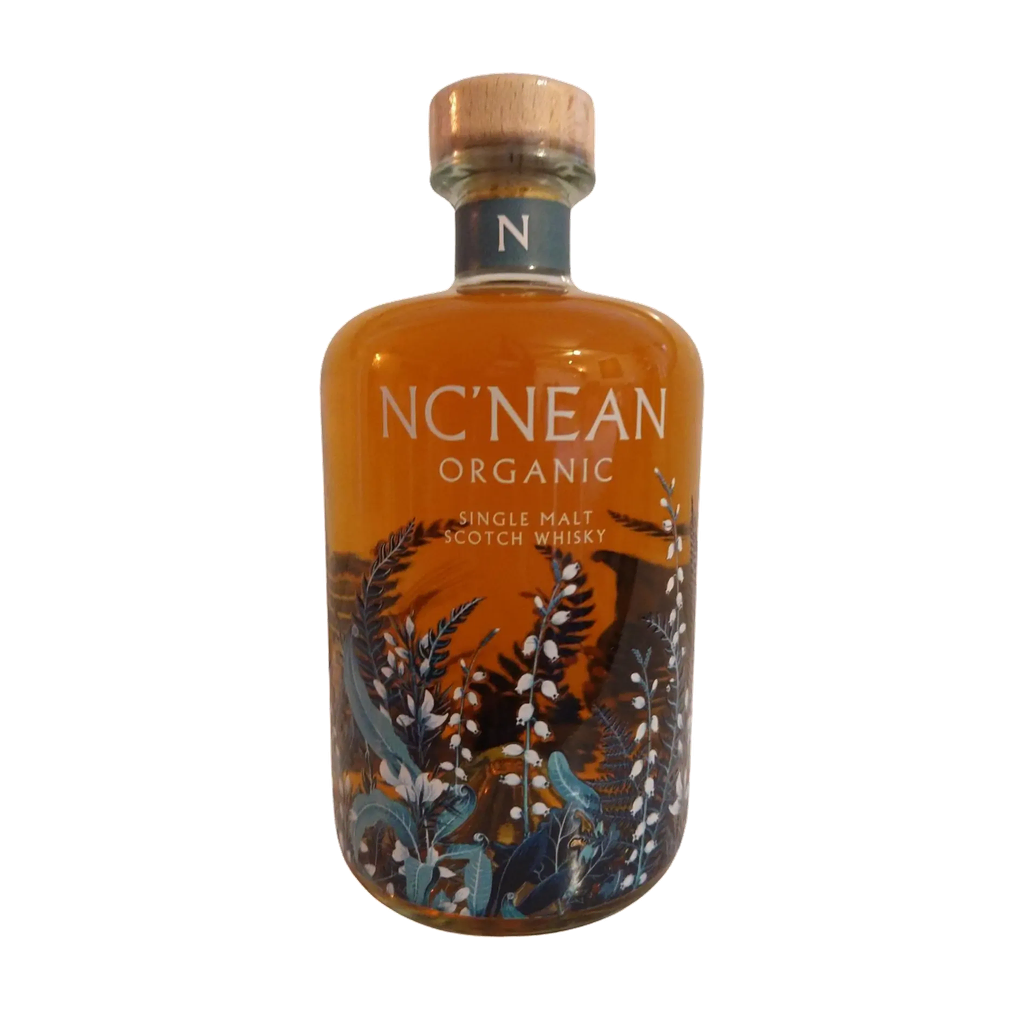
Nc'Nean Organic (2019/2024) Cask Strength Batch GD06
Nc'Nean is known for its high-quality organic whiskies. With the Nc'Nean Organic 2019/2024 Cask Strength Batch GD06, the distillery is now presenting a particularly strong and intense variant.
Frequently Asked Questions
How does the former gin cask influence the flavor of the St. Kilian Handfilled 2025 whisky?
The former gin cask strongly imparts botanical notes such as juniper, sage, and thyme. These aromas dominate both nose and palate, giving the whisky an unusual blend of fruity sweetness and herbal gin-typical characteristics that go beyond the typical whisky profile.
Why does the St. Kilian Handfilled 2025 not come across as aggressive on the palate despite its 59.7% alcohol volume?
The high alcohol strength is well integrated thanks to a creamy texture and a balanced interplay of sweet and botanical flavors. This makes the whisky feel rounded and gentle on the palate, without the alcohol being intrusive or harsh.
What explains the comparatively short finish of this cask-strength whisky?
The finish is relatively short and light because the whisky is young and the maturation in the former gin cask emphasizes fresh, botanical notes without giving the spirit enough time to develop a deeper, more complex whisky personality.