Caol Ila (2011/2023) - Malts of Scotland
The Caol Ila distillery on Islay is known for its accessible, clear smoky style – a welcome alternative to the island's more intense representatives. Independent bottler Malts of Scotland has selected a fascinating single cask with this 11-years bottling from 2011, which was released in 2023.
Tasting Notes
Nose
Vanilla forms the first layer – not the sweet, creamy Bourbon vanilla, but a lighter, almost crystalline variety. Directly behind it, a remarkable floral component unfolds, reminiscent of coastal meadows after a rain shower. The salt water is present but not intrusive; it behaves like a fine spray blowing in from the sea rather than a wave rolling over you. The peat smoke is moderate and surprisingly precise. It is neither medicinal nor heavy, but reminiscent of the cold ashes of a long-extinguished campfire. The pebbly note we identified is characteristic of Islay whiskies with a maritime character – mineral, almost stony, like the smell of wet pebbles on the beach.
Palate
The creaminess acts as a carrier for the subsequent flavours. Seaweed emerges as a prominent note, not as an aggressive iodine attack, but as an authentic maritime essence reminiscent of freshly washed seaweed on Scottish shores. Citrus notes – presumably lemon zest and a hint of grapefruit – bring a welcome freshness that opens up the flavour profile and creates space. Interestingly, the saltiness on the palate is less pronounced than on the nose, a phenomenon we occasionally observe in well-aged Islay malts. The vanilla returns, but more subtly than on the nose, more as a hint than a statement. Then comes the most remarkable note: the association with asphalt, or more precisely, with the surface of a freshly tarred road after rain. This mineral-tarry component may sound unconventional, but it is characteristic of certain peated whiskies and gives this Caol Ila a distinctive grounding.
Finish
The smoke, which was rather subtle on the nose and palate, gains significantly in volume and presence here. It is as if it had been waiting for this moment all along. The finish is impressively clear and focused. Where some whiskies blur or stray in many directions in the finish, this Caol Ila stays on course.
Thoughts

Marcel78/100 - (Very good)
This Caol Ila 2011/2023 from Malts of Scotland is simply a joy – it forgoes any frills while remaining wonderfully clear and honest in its smoke. A whisky that hits the mark perfectly with its focused flavor profile and maritime flair, ideal for cozy evenings with a sea breeze in the glass.
More about Marcel →
Sascha81/100 - (Excellent)
With its balanced structure and precise aromatic clarity, this Caol Ila 2011/2023 impressively demonstrates how moderate peat smoke and maritime notes can harmonize beautifully. The concentrated finish reveals remarkable focus, clearly defining the character of this single cask without feeling overloaded.
More about Sascha →Value for Money: 0/5 (No rating)
Discover our value for money winnersRelated Reviews
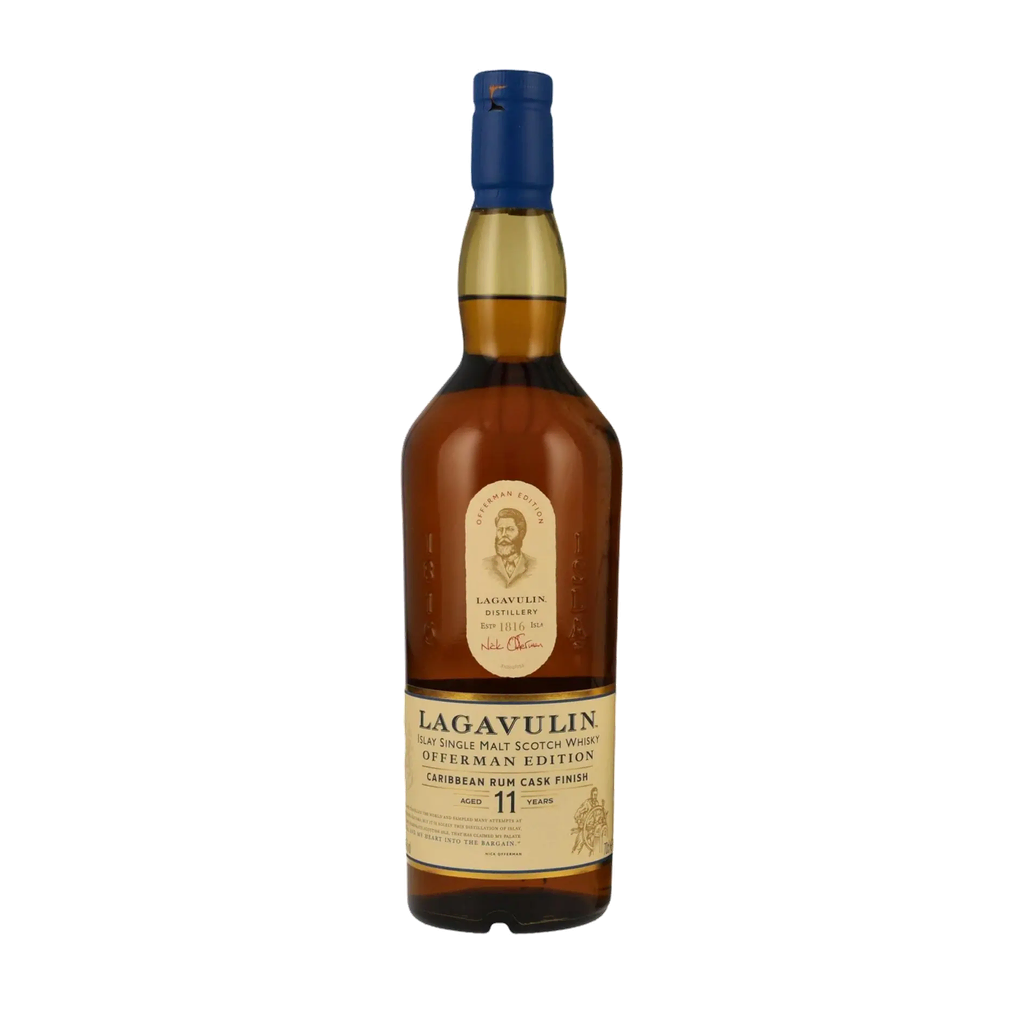
Lagavulin 11 Years (2024) Offerman 4th Edition
When it comes to Islay whiskies, there are two types of people: Those who love the intense smoke, and those who wonder if their glass has been matured in a bonfire. The Lagavulin 2024 11 Years Offerman 4th Edition is aimed at the former - those who see the scent of cold smoke and salty sea breeze as an invitation rather than a warning. This fourth collaboration between Nick Offerman and Lagavulin promises a typical Islay malt with a touch of originality.
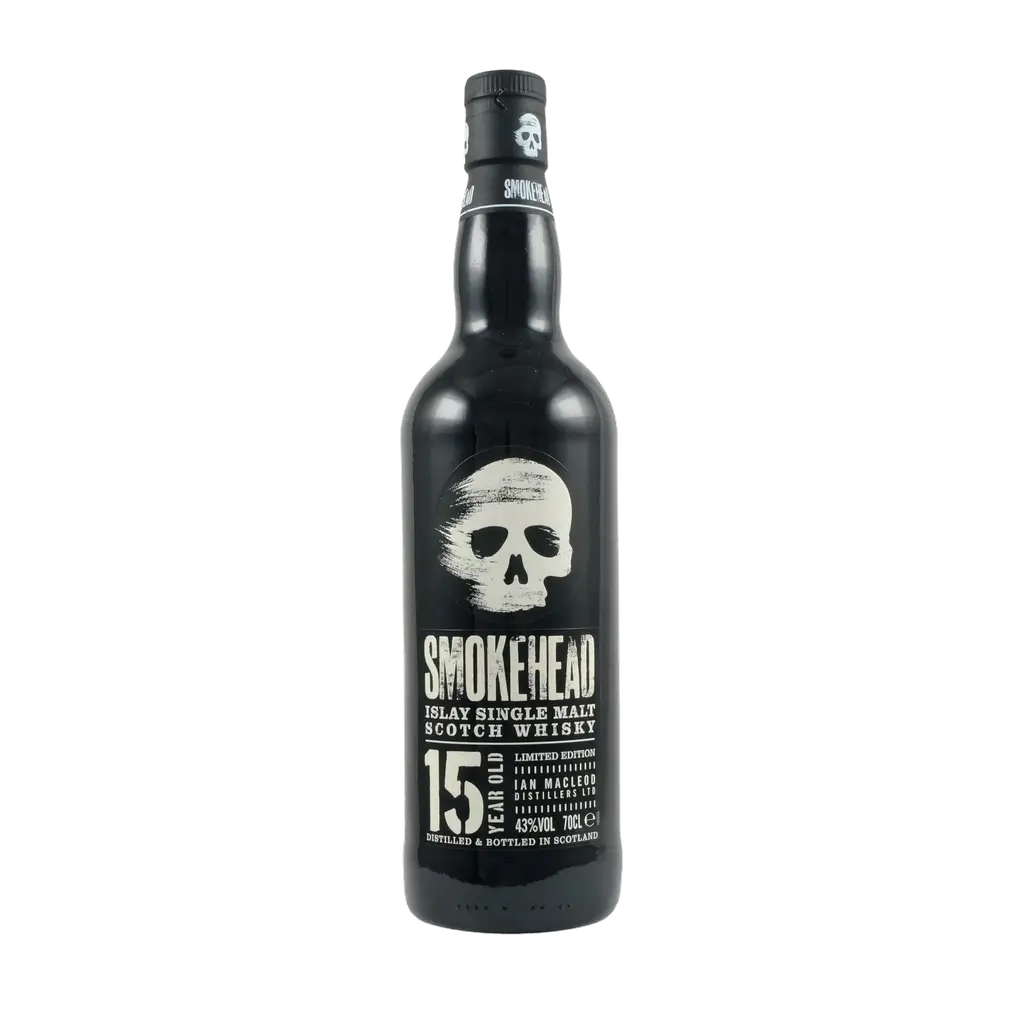
Smokehead 15 Years (2025) - Ian Mcleod
The Smokehead 15 Years is a mysterious single malt from Islay, whose origin lies in the fog of uncertainty. Ian Macleod has created a character with this rebellious whisky that combines both the rugged coasts and the gentle aromas of the island. A delight for all those seeking something special – or simply a good reason to stick their nose in a glass.
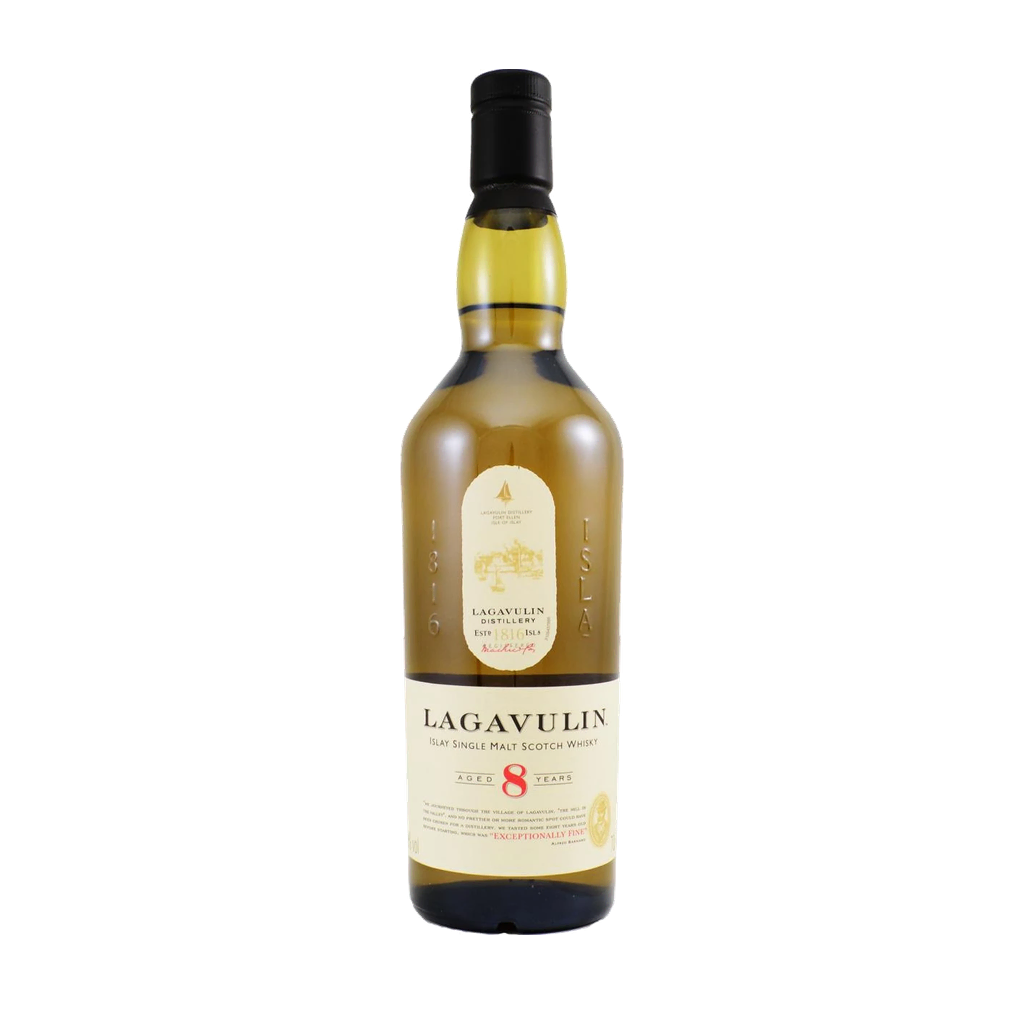
Lagavulin 8 Years Old
Lagavulin is one of the most renowned names among Islay Single Malt Whiskies. Naturally, Diageo delves deep into the marketing bag of tricks (see Offerman Edition) to not only maintain this status but to aggressively expand it. Nevertheless, Lagavulin 16 remains a benchmark and one of our absolute favorites. A few years ago, the half-aged sibling, Lagavulin 8, was added to the standard range. Heavily peated and without sherry cask aging, this whisky aims to establish a younger and more purist standard. Today, we’re tasting to see if the “little Laga” can impress in terms of quality and flavor.
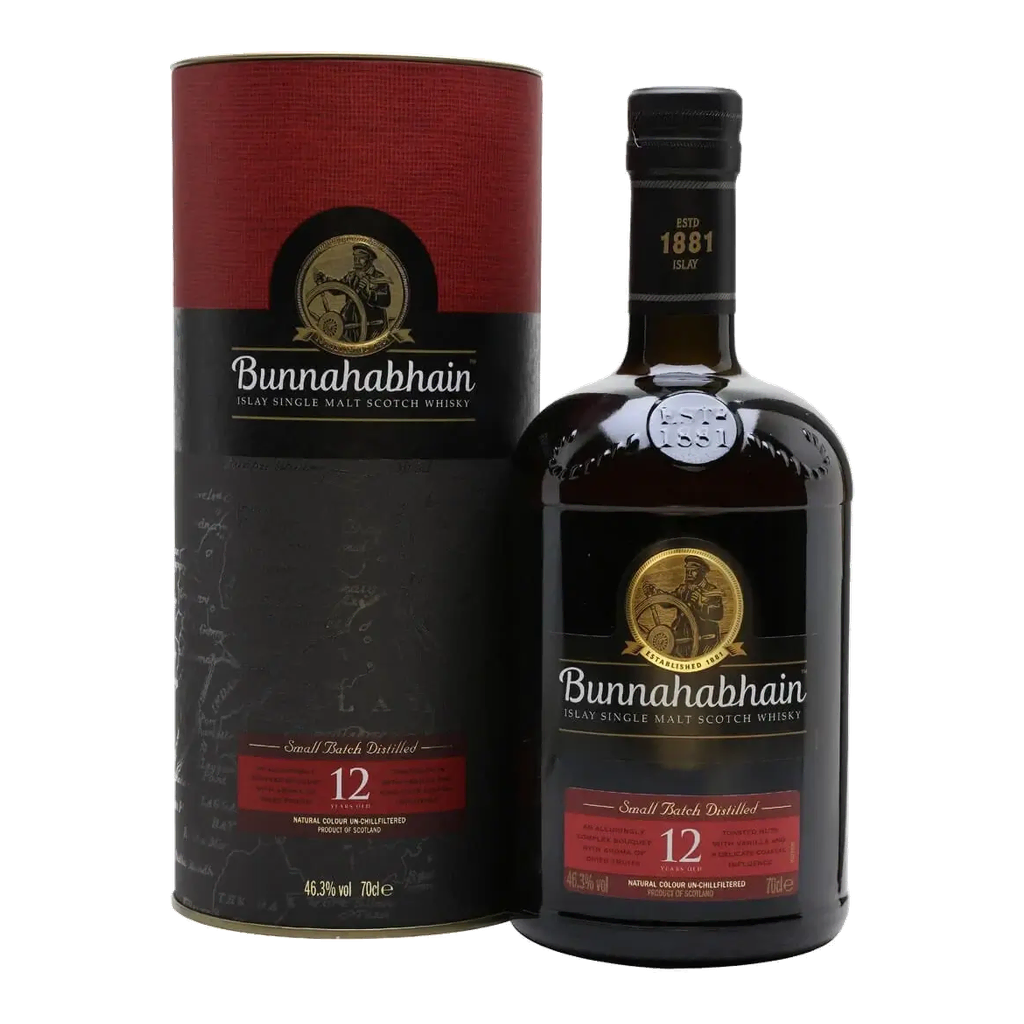
Bunnahabhain 12 Years
Matured 75% in bourbon barrels and 25% in sherry casks, the Bunnahabhain 12 Years is bottled at a decent 46.3% ABV. Nice for a standard, by the way: no colouring or chill-filtering was used.
Frequently Asked Questions
What sets the Caol Ila 2011/2023 from Malts of Scotland apart from other Islay whiskies?
The Caol Ila 2011/2023 is distinguished by a moderate, precise peat smoke that is neither medicinal nor heavy. Instead, it presents a clear maritime minerality with flinty notes and an unconventional asphalt note that gives it a unique groundedness.
How does the taste of the Caol Ila 2011/2023 evolve from the first sip to the finish?
On the palate, creamy textures dominate at first, accompanied by maritime aromas like seaweed and fresh citrus notes. The saltiness diminishes on the tongue, while subtle vanilla and a mineral-tarry asphalt note emerge. The finish intensifies the smoke noticeably, remaining clear and focused.
Why is the saltiness in the taste of the Caol Ila 2011/2023 less pronounced than in the nose?
In well-matured Islay whiskies like this Caol Ila, the initially perceived saltiness on the nose can decrease on the palate. This happens because the maritime aromas evolve during tasting and are complemented by other notes such as citrus and mineral components.